The House gavels back in tonight for the first time since early August, and leadership has already told members not to get comfortable. President Trump signed the stopgap funding bill, H.R. 6500, on September 2, ending the shutdown threat through December 11. Now the House works four days, through Thursday, and then goes dark until November 9, six days after the election that decides who controls the chamber. Speaker Mike Johnson insisted less than two weeks ago that this exact scenario was "stupid" to even suggest. He announced it anyway.
What Trump actually signed, and when
The White House confirmed the President signed H.R. 6500, the "Continuing Appropriations and Extensions Act, 2027," on Wednesday, September 2, 2026, one day after the House cleared it 370 to 48 and 25 days after the Senate passed it 90 to 6 in the middle of the night on August 8. PatriotAddict reported the House vote in detail when it happened. The signature closes a loop this saga has been chasing since late August: the bill is law, government funding runs through December 11, and a pre-election shutdown is off the table for now.
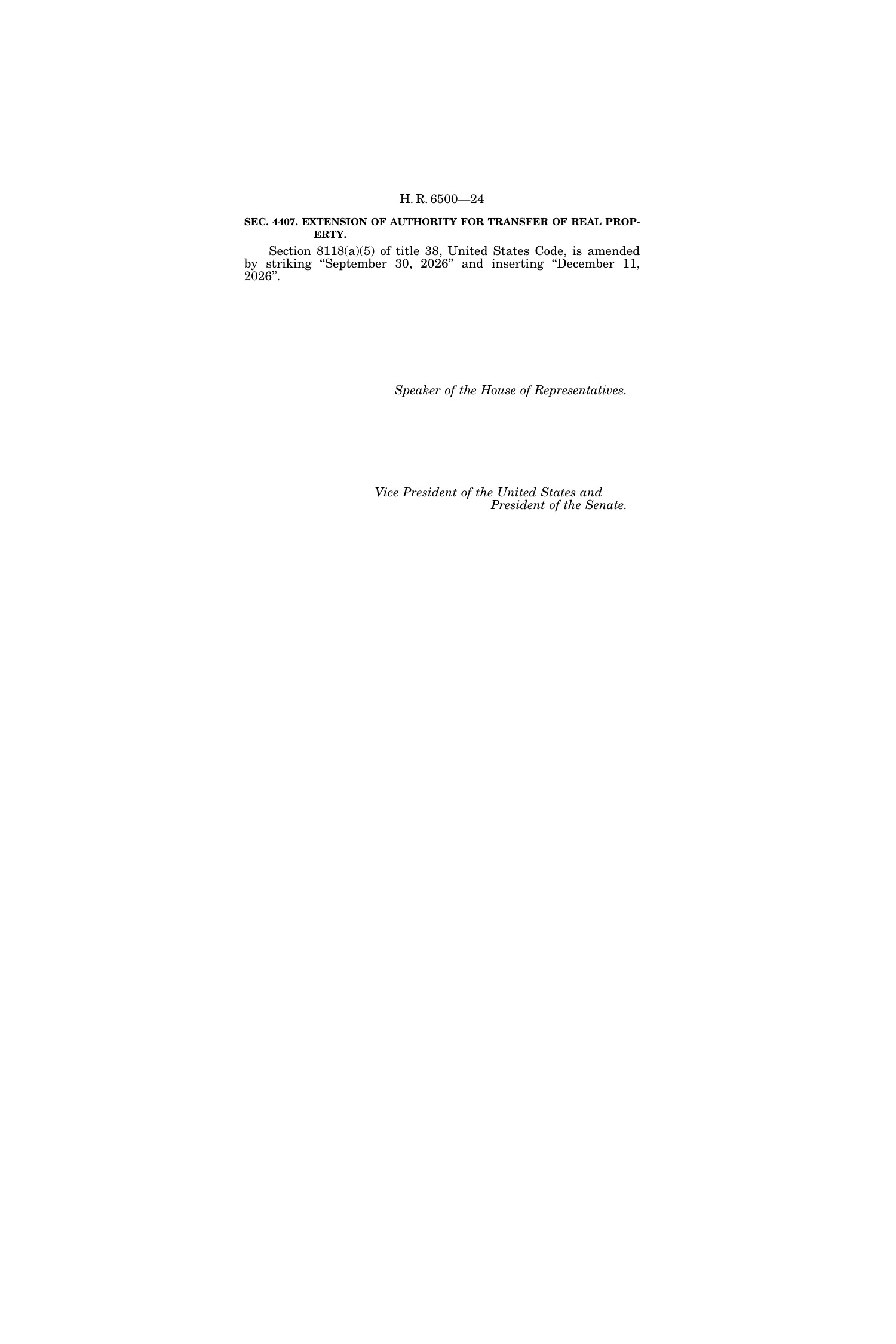
It is not a small patch. The final enrolled copy sent to the President runs four divisions and rewrites the expiration date on dozens of unrelated authorities, from flood insurance to highway funding to a Department of Veterans Affairs real property program, all reset to the same December date.
The White House statement itself runs three sentences. It confirms the date, names the bill, and moves on. No signing photo turned up in a search of the White House's own galleries for that week, a quiet paper trail for a bill that spent the better part of a month moving between the two chambers before it ever reached the President's desk.
Official record
H.R. 6500, "Continuing Appropriations and Extensions Act, 2027," enrolled bill as presented to the President, govinfo.gov. The final page carries Section 4407, which quietly moves a VA land-transfer authority from a September 30 expiration to December 11, one of dozens of unrelated deadlines folded into the same date.
Johnson called it "stupid." Two days later, he did it.

Rep. Thomas Massie, R-Ky., at the Free and Equal Elections presidential debate, July 12, 2024. (Gage Skidmore, CC BY-SA 2.0)
On September 1, Rep. Thomas Massie, R-Ky., posted on X that he and two colleagues had, the day before, launched a discharge petition to force a vote on a second Epstein Files Transparency Act, and that there were "rumors" Speaker Johnson would "soon recess the House until after the midterm elections... to avoid the vote." PatriotAddict has covered that petition's math separately.
Johnson was asked about it that same day by LindellTV's Alison Steinberg. His answer, recorded on camera: "Let me tell you how stupid Thomas Massie's comment is." He said Republicans would "work all the way through September and every day that's on the calendar," and called Massie's prediction "a nonsensical statement by someone who is not participating as a full member of the Congress."
Two days later, on September 3, Johnson's own office announced the House would cancel the last two weeks of September and not return until November. Massie posted again: "Tuesday I tweeted Mike Johnson would recess Congress until after the election in an attempt to stymie our latest Epstein bill. Johnson went on TV adamantly saying that was STUPID and we'd work every day. Today he announced we'll recess on Sept 17... until after the election!" He attached a photo of a red hat reading "Massie Was Right About Everything."
Democrats used the moment to needle Republicans rather than to object to the substance. The House Ways and Means Committee's Democratic staff posted a meme comparing GOP members leaving the floor to vampires fleeing sunlight, even though, as Roll Call noted, vulnerable members on both sides of the aisle wanted the same thing: time at home before November.
Is a long fall recess normal, or is this one different?
A long break before a midterm is not new by itself. The Senate's own 2026 calendar, published by Majority Leader John Thune's office back in November, already called for the chamber to take the month of October and the first week of November off ahead of the election, the same pattern the Senate followed heading into the 2022 midterms. Campaigning recesses in the fall of an even-numbered year are a standing feature of how Congress runs, not an invention of this cycle.
What is specific to 2026 is what got added on top of an already-scheduled break. The House's own calendar, unrevised since November 2025, still marks the weeks of September 21 and 28 as working weeks. Leadership canceled them anyway, promising only 48 hours' notice if the Senate adopted the budget resolution and votes became necessary after all, a condition that has not been met. That is roughly two and a half additional weeks of session time removed from what the chamber's own published calendar called for, stacked directly onto a recess that was already going to run into November. The recess is standard. The extra bite taken out of September, announced the same week Massie's prediction of exactly that was called "stupid" on camera, is what makes this year's version notable.
Four days, one radio bill, and a deadline already missed
Here is what the House will actually do with its four days. Majority Leader Steve Scalise has scheduled a standalone vote on the AM Radio for Every Vehicle Act, a bill requiring automakers to keep AM tuners standard. It is a real bill and a fine one, but it is also the single concrete item Republicans have publicly named for this week.
Meanwhile, a deadline the House wrote for itself has already come and gone while members were home. Section 201(a) of H. Con. Res. 113, the budget resolution the House adopted in July, ordered committees to submit their reconciliation instructions "not later than September 11, 2026." PatriotAddict reported that the Senate still has not adopted that resolution, and House leadership's own notice made any return the week of September 21 conditional on the Senate acting first. The Senate has not, so that window is gone too.
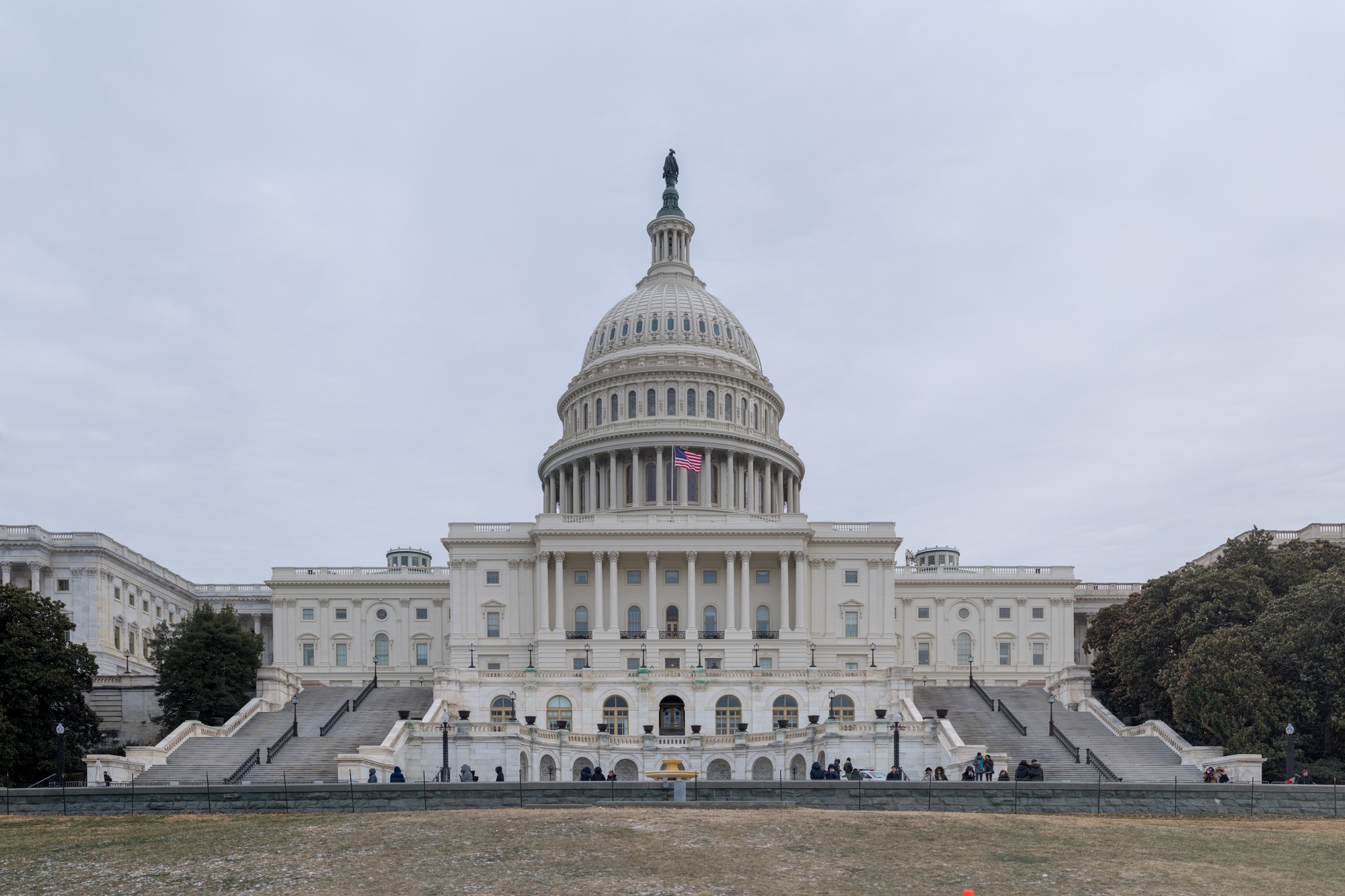
The U.S. Capitol. The House will hold its last votes of the year's final pre-election stretch this Thursday. (Mys 721tx, Wikimedia Commons, CC BY-SA 3.0)
Fifty-two days dark, then the same wall again
Add it up on the calendar. If Thursday, September 17 is the last vote as scheduled, the House will not hold a single session for 52 straight days, returning November 9. That is six days after voters decide whether Republicans keep the majority Johnson is currently managing.
Nothing about the underlying fights gets easier in the meantime. The reconciliation package built around Trump's remaining priorities, including funding tied to Iran policy and a voter ID measure, stays stuck because the Senate has not moved. The defense authorization bill passed the House in July and has not had a floor vote in the Senate since. The discharge petition on the Epstein files sits at 106 signatures, mathematically capped at 217 without a third Republican.
And December 11 does not move for anyone. The same House that gavels out Thursday walks back in on November 9 with about a month left before the funding it just signed runs out again, this time with an election's results attached to whatever comes next. If Republicans lose the majority, the members writing the next funding bill in a lame-duck December session will not be the same coalition voters just replaced. If Republicans hold it, Johnson still has to find the votes he does not have right now for reconciliation, the defense bill, and whatever the Senate finally sends back.
None of that gets easier by leaving town. It just gets later.
Voters go to the polls on November 3 while their own House has been sitting empty for seven weeks by its leadership's choice, not the Constitution's. Nothing requires this particular chamber to be gone this particular long this particular year. Speaker Johnson insisted on camera that the very outcome now on the calendar was a stupid thing to even suggest. He announced it two days later anyway, and the House he leads will not cast another vote until six days after the voters he is currently campaigning to keep in the majority have already decided.