Canada will start taxing American steel, dairy, appliances, farm equipment, pulp and paper and electronics on September 8. Prime Minister Mark Carney set the date Saturday in Ottawa, one day after President Trump's 50 percent duties took effect and the trade talks fell apart. The bill for that decision does not land in Ottawa. It lands on American producers who sell into Canada.
The date is the news, and so is the target list
When the talks collapsed Friday night, Carney promised to match Washington "dollar for dollar" and said nothing else. No date, no sectors, no numbers. We covered that collapse on Friday. Saturday morning he filled in the blanks, and the blanks are what American exporters have been waiting on.
The counter-tariffs hit on September 8, the Tuesday after Labour Day. Carney named six sectors: steel, dairy, appliances, agricultural equipment, pulp and paper, and electronics. He also said the package will sweep in goods already carrying American duties under Section 232 and Section 338, according to Benzinga. Bloomberg put the size of the package at roughly $20 billion in American products, mirroring the American action.
The actual product list does not exist yet. Carney said the details are coming "in the coming days," which means the tariff lines that decide whether a specific Ohio or Wisconsin exporter is inside or outside this thing are still unwritten. That is the single most useful fact in the whole announcement, and almost nobody is reporting it that way.
American dairy is a bigger business than most people think
Dairy is the sector Washington has been fighting Canada over for years, and it is now on the retaliation list. USDA's Economic Research Service ranks Canada second only to Mexico as a buyer of American dairy products, with the inflation-adjusted value of those exports rising 48 percent between 2010 and 2021. Infant formula is the single biggest line item.
Those sales run through real plants in real towns. Cooperatives across the upper Midwest ship butter, fluid milk and cheese north under quota arrangements that survived NAFTA and were widened again under the current continental agreement. A Canadian surtax does not close that market overnight, but it makes an American product more expensive than a Canadian one on the same shelf, which is exactly the point Carney made when he called this "a focused response to protect and defend our industries and allow them to compete with U.S. products in the Canadian market."
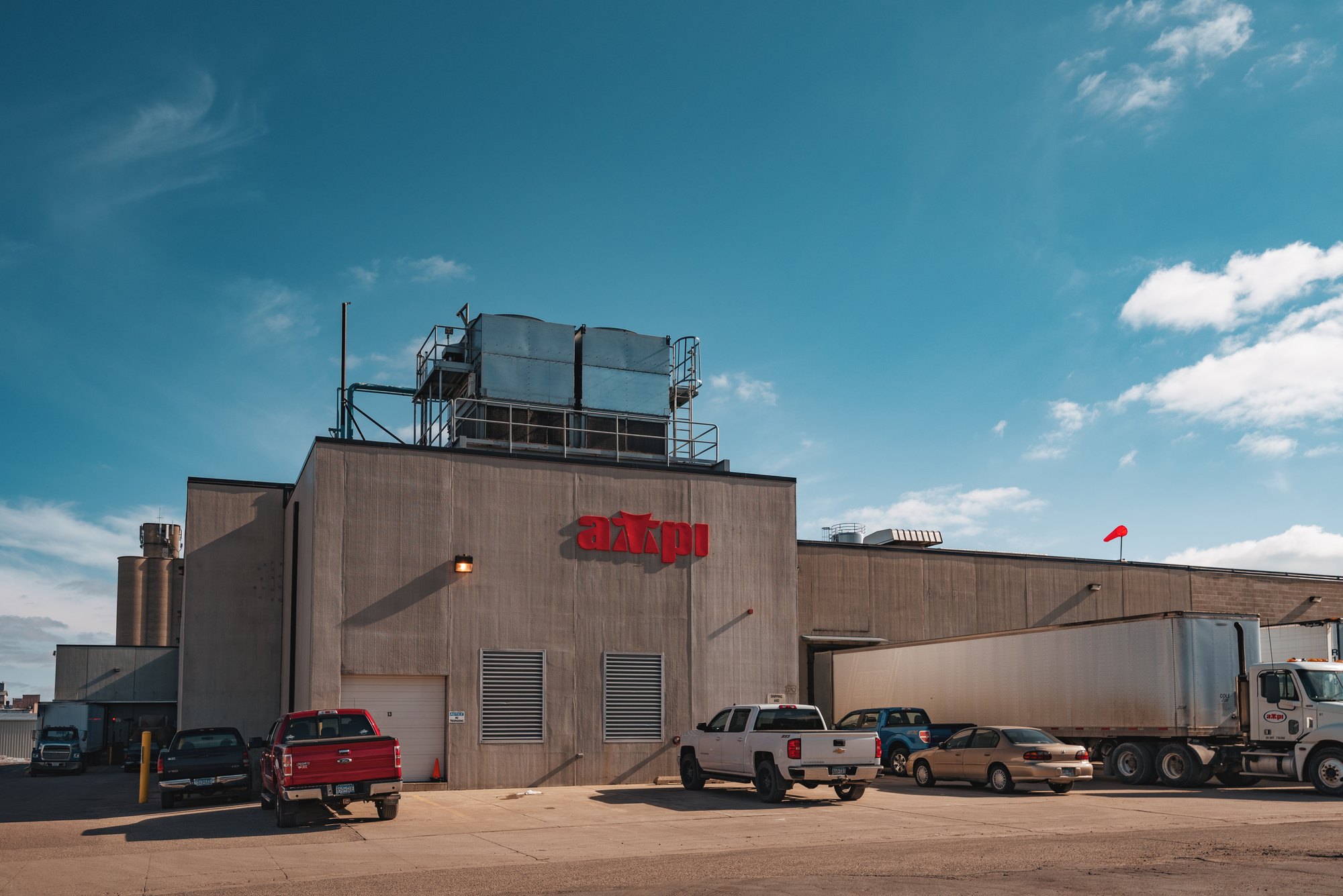
The Associated Milk Producers Inc. butter plant in New Ulm, Minnesota. Upper Midwest dairy cooperatives are among the American sellers exposed to Canada's September 8 list. (Photo by Tony Webster via Wikimedia Commons, CC BY 2.0)
Farm Bureau saw the retaliation coming five days early
Cameron Castillo, an associate economist at the American Farm Bureau Federation, laid out the risk on August 18, before the deadline even hit. Tariffs "are generally not a good thing for the American farmer," he said in a Farm Bureau Newsline segment, and "as a result of any sort of potential retaliation as a function of these 50 percent tariffs, the farm economy could be put into even a further pinch."
The exposure is not small. USDA figures show Canada took 16.7 percent of all American agricultural exports in 2025, making it the second leading agricultural trading partner the United States has. The top sellers into that market last year were fuel ethanol at $1.5 billion, dog and cat food at $1.2 billion, chocolate at $1.1 billion, beef at $881 million, live cattle at $848 million and pork at $750 million.
Farm equipment sits in a different category, and it is the one that stings on a factory ledger. Deere and Co. told investors back in November that it expected a pre-tax tariff hit of around $1.2 billion in fiscal 2026, up from nearly $600 million the year before, and CEO John May said margin pressure from tariffs would keep weighing on the large farm equipment unit, Reuters reported. A Canadian surtax on that machinery adds a second squeeze on top of the first.
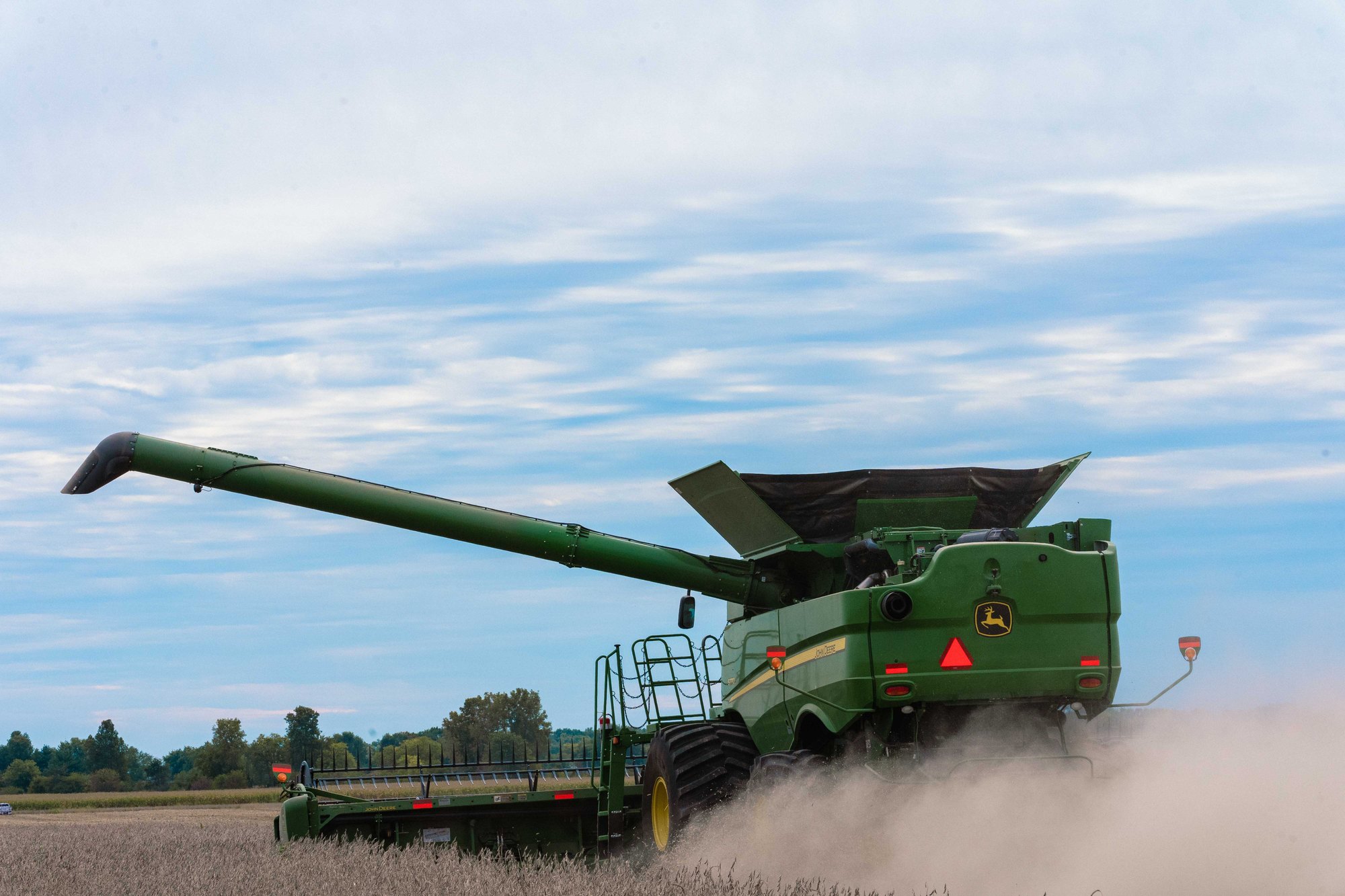
A John Deere combine harvesting soybeans on Mike Starkey's farm in Brownsburg, Indiana. Agricultural equipment is one of the six sectors Carney named for the September 8 counter-tariffs. (USDA NRCS photo by Brandon O'Connor, public domain, via Wikimedia Commons)
Carney's argument is that America needs Canada more than it admits
Most of the prime minister's Saturday remarks were aimed at Canadians, but a long stretch of it was aimed straight at Washington, and it was built entirely on how much Americans sell north. Canada is the largest customer for 26 American states and a top three customer for 45 of them, Carney said. Americans sold almost $600 billion in goods and services to Canadians last year, which he put at more than $1.6 billion every single day.
He went further on the two sectors that generate the loudest lobbying in Washington. Canada buys more American-built cars than the United Kingdom, Japan and China combined, Carney said, and "it's the same for American steel products." Those are his numbers and his framing, offered in the middle of a speech justifying retaliation, so read them accordingly. The direction is not in dispute even if the emphasis is.
What Carney did not spend much time on is the other side of that ledger. Reuters notes Canada still depends on the United States for nearly 70 percent of its exports, and he is one of the very few world leaders who has chosen to retaliate against American tariffs rather than absorb them. That asymmetry is the whole reason Washington thinks it wins a long fight.
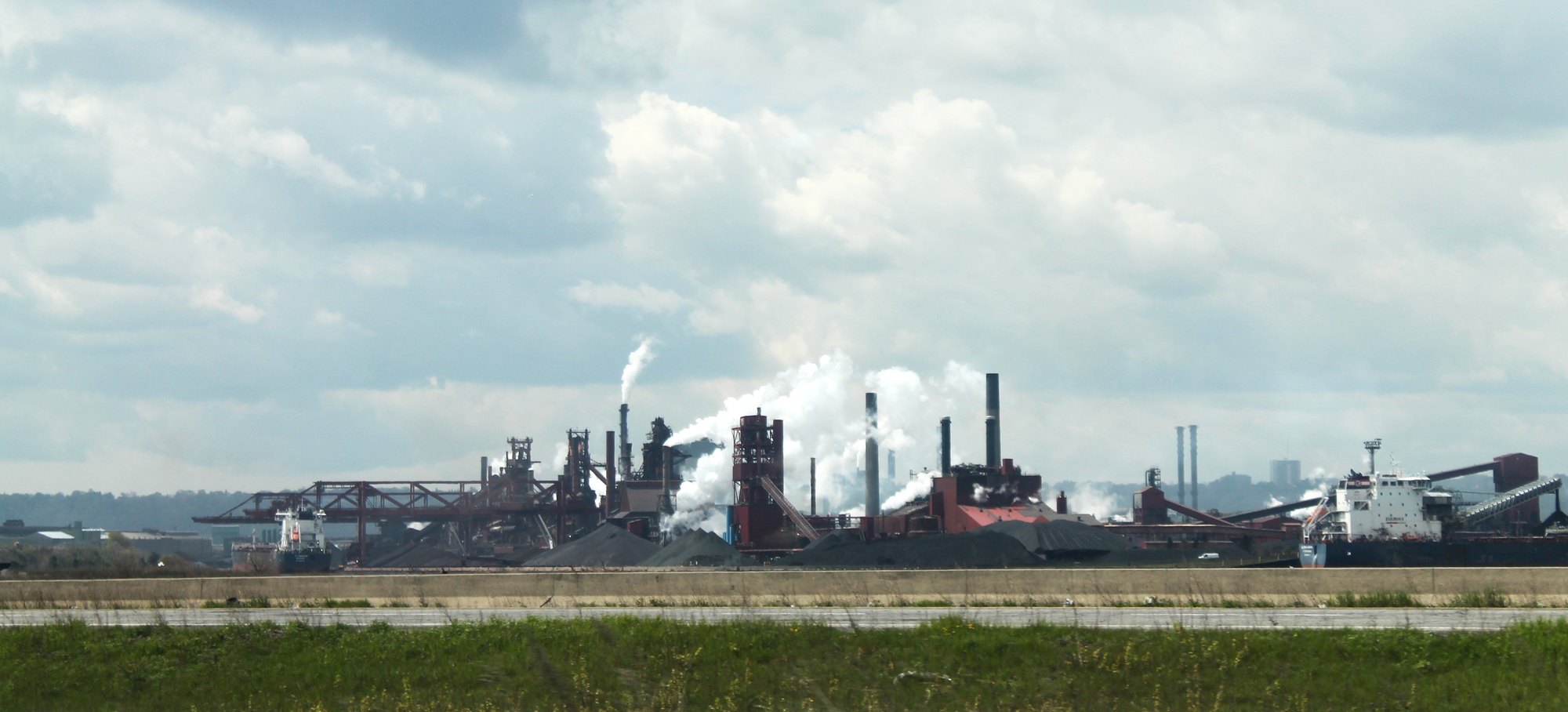
The steel mills on Hamilton Harbour in Hamilton, Ontario, photographed in May 2026. Mayor Andrea Horwath says the city produces roughly 60 percent of Canada's steel. (Photo by K2HWY via Wikimedia Commons, CC BY 4.0)
Steel is where both sides were already dug in
Canada never lifted its counter-tariffs on American steel, aluminum and automobiles. It dropped everything else in September 2025, and Finance Canada's own record shows those three categories were deliberately left in place because Washington kept its own sectoral tariffs on. The March 2025 package alone covered $12.6 billion in American steel products and $3 billion in aluminum.
Carney says he offered to drop all of it. Canada was willing to remove its remaining retaliatory tariffs on steel, aluminum and autos if the United States cut its own rates enough to make Canadian exports economic again, and to encourage the provinces to put American liquor back on shelves. That offer died with the talks, and now steel gets a second layer instead of none.
Hamilton, Ontario is where that lands hardest on the Canadian side. Mayor Andrea Horwath, whose city produces roughly 60 percent of Canada's steel output, called the breakdown deeply concerning and pressed federal and provincial leaders to back steelworkers through it, Benzinga reported.
Two weeks on the clock, and nobody is talking
U.S. Trade Representative Jamieson Greer went on Fox News Saturday and said there are no further talks scheduled. "We're moving forward with measures that respond to Canadian retaliation," Greer said, per Al Jazeera. "They've always had the best deal, and they still would have an even better deal, but they didn't want that."
A senior administration official said Friday that Washington was already preparing additional measures in case Canada followed through. Canada has now followed through. The Labour Day timing hands both governments about a two-week window, which is either a negotiating runway or a countdown, depending on which capital you ask.
He said reluctantly. He also said war.
Carney's language Saturday was unusually split. "We take this step reluctantly," he told the country, and then explained why: it raises costs for Canadians, and "some U.S. companies and states are innocent bystanders in a dispute they did not want." That is a rare thing for a leader to concede while signing the order.
Then a reporter asked whether Canada was in a trade war. "You're at war when you get attacked. We got attacked," Carney answered, per Reuters. His domestic flank closed behind him fast. Ontario Premier Doug Ford said he was glad Carney refused to sign "because it was a bad deal," and Conservative leader Pierre Poilievre, who spends most days attacking this prime minister, put out a statement saying Canadians "must stand united to defend our country against these unfair attacks on our jobs and businesses."
What actually decides this before September 8
Three things are worth watching, and none of them are speeches. The first is the product list, because a sector name is not a tariff line and an American exporter cannot plan around "appliances." The second is the Canadian support package Carney promised for next week, which will tell you how long Ottawa expects this to last. The third is whether Washington escalates before the eighth, which Greer has now openly said is on the table.
Sitting underneath all of it is the continental trade agreement itself. Washington has already opened talks with Mexico on renewing it. It has not opened talks with Canada at all. Two governments that just walked away from each other now have to renegotiate the deal that governs almost everything else they trade, and the first item on the agenda will be the tariffs they spent this weekend pointing at each other's factories.