The United States put the International Criminal Court itself on the Treasury blacklist Friday, the first time Washington has sanctioned the whole Hague tribunal instead of individual judges and prosecutors. But the four licenses Treasury signed that morning tell the real story: the court can keep paying its staff, collecting dues from its member countries and jailing its prisoners until 12:01 a.m. on April 7, 2027. That date is the deadline America just handed Europe.
Rubio Says the Court Has to Stop or Be Stopped
Secretary of State Marco Rubio announced the designation on Oct. 9 under Executive Order 14203, the order President Trump signed in February 2025. "President Trump will never allow the International Criminal Court to prosecute Americans," Rubio said, according to the statement as reported by the Kyiv Post. "We will ban transactions with this rogue court, cutting off their resources and crippling its ability to operate."
His bottom line was blunt. "Either the ICC will end its threats, or we will end the ICC," Rubio said, warning that if allies who belong to the court do not "rein in the court," the United States will keep dismantling it "brick by brick," as quoted by Al Jazeera. The State Department's release is titled "Imposing Sanctions on the International Criminal Court."
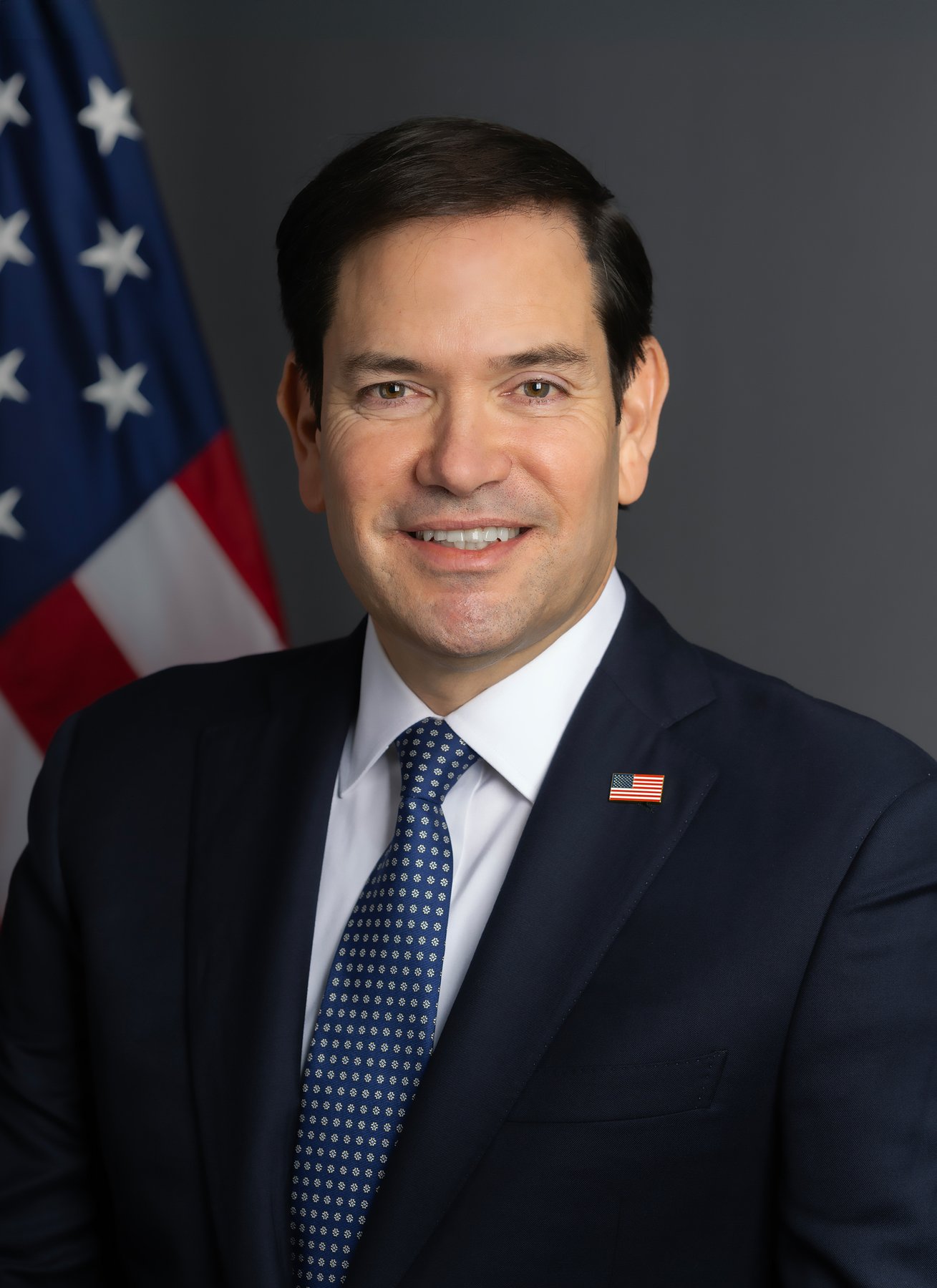
Secretary of State Marco Rubio, who announced the designation of the International Criminal Court on Oct. 9. (Official State Department portrait, January 2025, public domain, via Wikimedia Commons)
Why Washington Says the Court Is Out of Bounds
The United States never joined the court and never signed on to the Rome Statute that created it in 2002. The Trump administration objects to the court's arrest warrant for Israeli Prime Minister Benjamin Netanyahu and to its investigation of American troops in Afghanistan, as the Kyiv Post summarized. Rubio said both parties have long rejected the idea that the court could try American citizens, soldiers or leaders. "America never joined the court," he said. "We don't need it. And we don't want it."
Executive Order 14203 spells out who the administration means to protect. Its Section 8(d) defines a "protected person" as any U.S. person, "including current or former members of the Armed Forces of the United States" and "current or former elected or appointed officials," unless the United States formally consents to the court's jurisdiction. It also covers citizens of allies, such as Israel, that have not accepted the court.
This Time the Target Is the Court Itself
Until Friday, sanctions under the order hit individuals. The order's own annex named one man, then-Prosecutor Karim Khan. The court said in its official response that 13 of its judges and prosecutors had already been sanctioned before the institution itself was added.
Treasury's Oct. 9 list update now carries a new entry: "INTERNATIONAL CRIMINAL COURT, Oude Waalsdorperweg 10 2597 AK, The Hague, Netherlands," with the court's Dutch tax number and the program tag "ICC-EO14203." The executive order defines "person" to include an "entity," and "entity" to include any "organization." In our reading, that is the language that lets Washington list a court the same way it lists a front company.
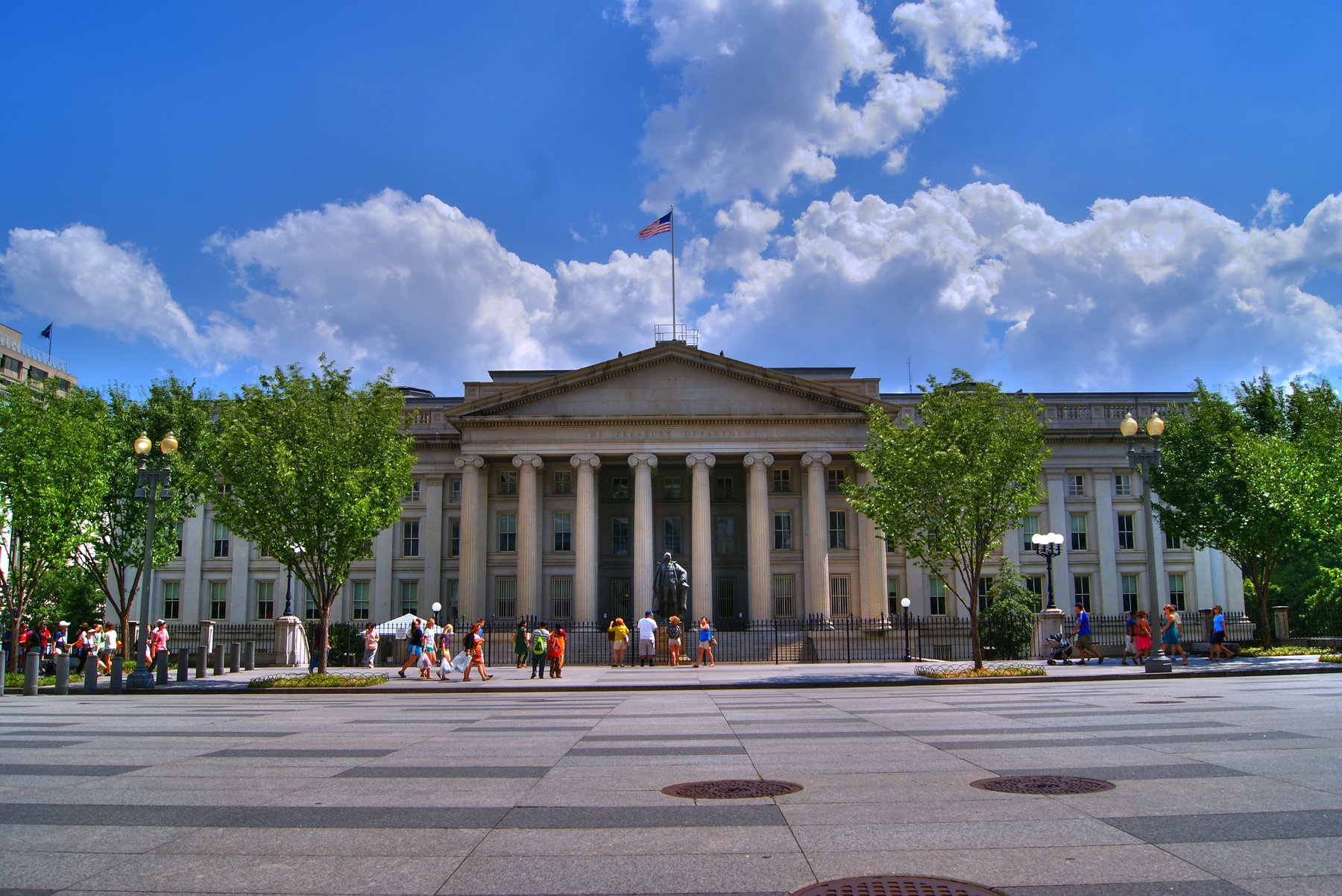
The Treasury Department building in Washington, home of the Office of Foreign Assets Control, which added the International Criminal Court to its sanctions list on Oct. 9. (Erich Robert Joli Weber, CC BY-SA 3.0, via Wikimedia Commons)
The Fine Print Sets a Six-Month Clock
Here is what most coverage skipped. The Office of Foreign Assets Control issued four general licenses alongside the listing, each signed by Director Bradley T. Smith on the morning of Oct. 9. The broadest, General License 13, authorizes the "maintenance or wind down of operations, contracts, or other agreements involving the International Criminal Court" through "12:01 a.m. eastern daylight time, April 7, 2027."
The note under that paragraph lists what keeps flowing in the meantime. It names "States Parties' payments to the International Criminal Court" first, followed by staff salaries, health insurance, rent, utilities and routine commercial services. In plain English, every member country's dues can keep moving through the U.S. financial system for six more months. After that, the money stops unless Washington renews the license.
That is leverage, and it is aimed at Europe. EU foreign policy chief Kaja Kallas pointed to the six-month period before the measures take effect as a possible window for dialogue, according to the Kyiv Post. Rubio's warning to allies "that rely on American servicemembers for their defense" reads differently once you see the date written into the license.
Official record
Office of Foreign Assets Control, International Criminal Court-Related Sanctions Regulations, 31 CFR part 528, General License No. 13, "Authorizing Certain Transactions Involving the International Criminal Court," dated Oct. 9, 2026 (1 page).
"Transactions ordinarily incident and necessary to the maintenance of operations ... include: transactions for continued operations, including States Parties' payments to the International Criminal Court"
General License No. 13, Note to paragraph (a)
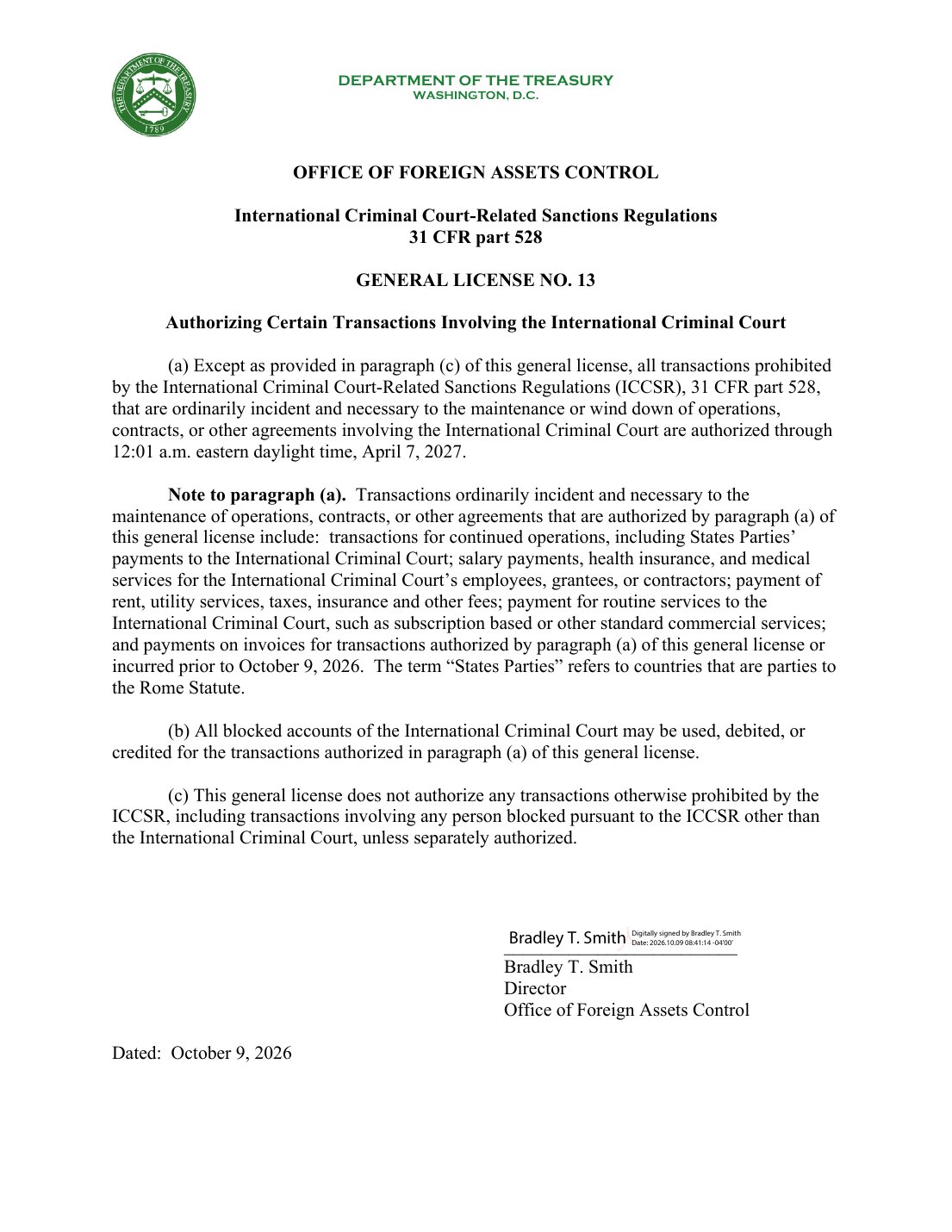
Read or download General License 13 (PDF) · official OFAC copy · OFAC recent action notice
Washington Licensed the Court to Keep Duterte Locked Up
The most telling document may be General License 16. It authorizes transactions "ordinarily incident and necessary to the continued detention" of nine named people, "including services for the health, safety, and welfare of such individuals, as well as services for the operation of facilities used for the detention." It has no expiration date.
The annex reads like a who's who of the court's caseload. First on the list is Rodrigo Roa Duterte, the former president of the Philippines. It also names Dominic Ongwen, the former Lord's Resistance Army commander, Congolese warlord Bosco Ntaganda, and Ali Kushayb, the Darfur militia leader. So the same order meant to cripple the court makes sure it can keep holding the defendants it already has. Washington is fighting the court's reach over Americans and Israelis, not its prosecution of foreign warlords.
Official record
OFAC General License No. 16, "Authorizing Certain Transactions Related to Certain International Criminal Court Detainees," dated Oct. 9, 2026 (2 pages). Page 2 is the annex of named detainees.
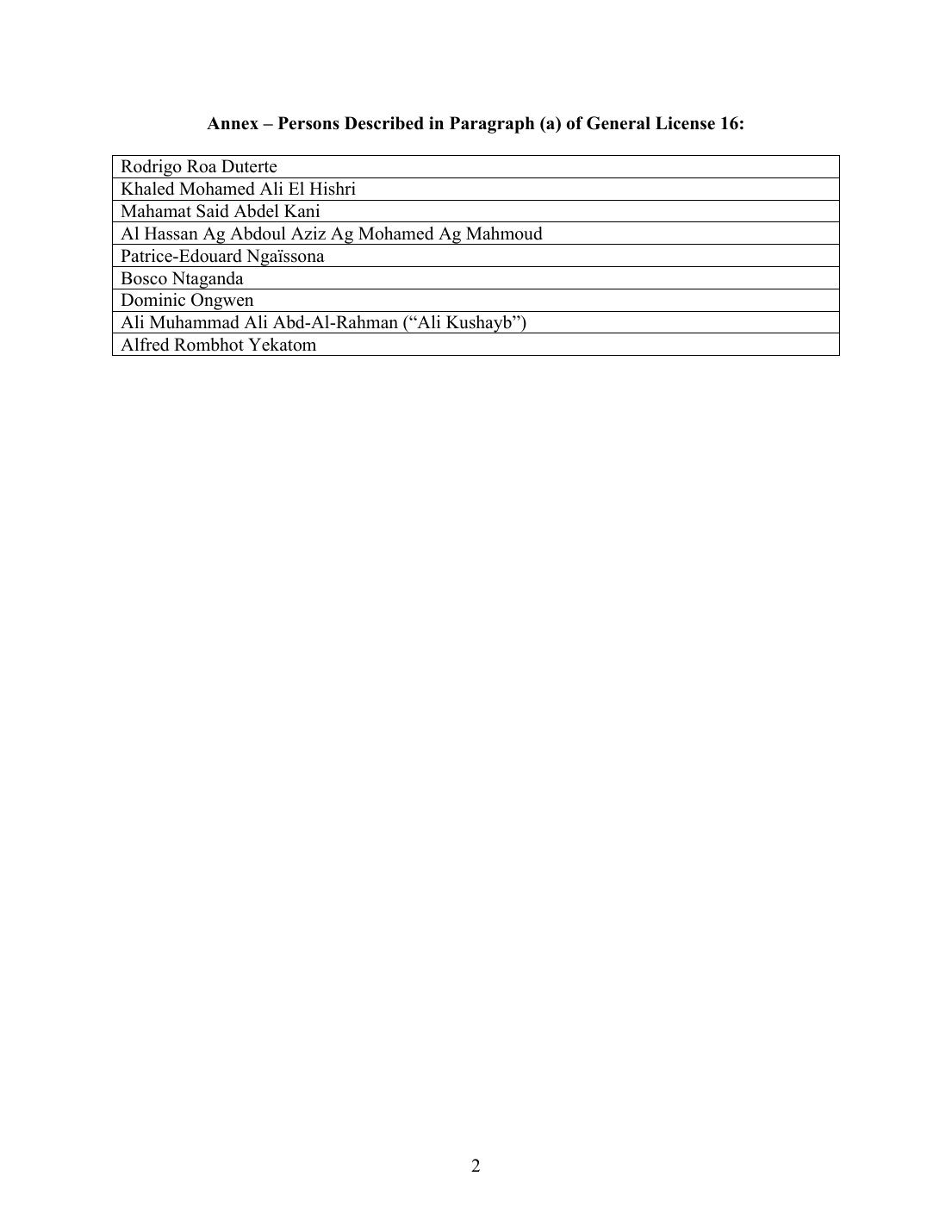
Read or download General License 16 (PDF) · official OFAC copy
Microsoft Can Stay, and the Pensions Get Frozen
Two more licenses fill in the picture. General License 14 allows telecommunications, email, video conferencing, cloud hosting and "enterprise software" for the court, with no end date. That matters because the court reportedly spent months swapping Microsoft software for open-source alternatives in anticipation of sanctions, the Kyiv Post reported. Under this license, U.S. tech firms are allowed to keep serving the court as an institution.
General License 15 covers pensions, with a catch. Pension payments involving the court can be processed, "provided that any payment to a blocked person is made into a blocked interest-bearing account located in the United States." For the judges and prosecutors already under personal sanctions, that means their pension money lands in a frozen U.S. account they cannot touch. Each license also says it does not cover anyone blocked individually "other than the International Criminal Court," so the earlier personal sanctions stay fully in force.
Europe and the U.N. Push Back
The court called the move "an assault on the rule of law" and said "history will judge this moment." U.N. Secretary-General Antonio Guterres said he was "deeply alarmed," and the foreign ministers of the United Kingdom, Denmark, France, Germany, Italy, the Netherlands, Canada and Japan said they "strongly disagree," Al Jazeera reported. Netanyahu thanked Trump and called the court a "political body that poses a mortal threat to law-abiding democracies worldwide."
Timing added to the noise. The designation landed the same day the Nobel Peace Prize went to Navi Pillay, a former ICC judge. The Kyiv Post also reported that the court's registrar had urged the European Union to be ready to use its "blocking" rules, which aim to shield European firms from U.S. sanctions.
What Happens Before April 7
Rubio's statement says the administration delayed this step for more than a year, hoping the court or its member states would change course. Now the calendar is public. Between now and April 7, 2027, the 125 countries that fund the court can keep paying it, and they have six months to decide whether defending a court that claims power over American soldiers and Israeli leaders is worth a fight with their main security partner.
For Americans who never agreed to be judged in The Hague, the message is simple. The United States did not ratify this court, and it is not waiting for a foreign judge to test that point on a soldier, a Border Patrol agent or an elected official. The fine print shows Washington will let the court keep jailing warlords. It will not let the court keep coming after Americans.
Top photo: The International Criminal Court's headquarters in The Hague, Netherlands, July 2024. (Tony Webster, CC BY 2.0, via Wikimedia Commons)