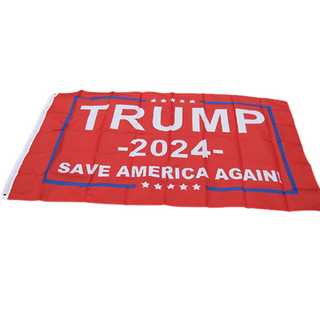
President Trump signed an executive order Tuesday telling every federal agency to stop saying "artificial intelligence" and start saying "Super Intelligence." Read the order itself and one line changes the story: for legal purposes, Super Intelligence means exactly what artificial intelligence meant the day before, word for word, and only Congress can change that.
The Order Tells Agencies to Drop "AI" Entirely
The order is titled "Inaugurating the Era of Super Intelligence" and is dated September 29, 2026. Section 2 directs agencies to use "Super Intelligence" and "SI" in "official correspondence, public communications, websites, reports, policy documents, and other non-statutory documents within the executive branch."
Section 1 goes further than a style memo. It sets as administration policy that the executive branch "will not acknowledge the usage of 'Artificial Intelligence' and 'AI' in any applicable setting." The White House fact sheet says the new name conveys what today's systems can really do, "not simply imitating or automating human intelligence as is implied by the term 'Artificial Intelligence.'"
The president's case is simple. The word "artificial" makes the technology sound fake, and America is building something far bigger than a clever imitation. You can agree with that and still want to know what the order actually does.
Section 3 Says SI Means Exactly What AI Meant
Here is the line the headlines skipped. Section 3(a) defines the new terms this way: "Super Intelligence" and "SI" mean "the technologies and systems encompassed by the term 'artificial intelligence' as defined in section 9401(3) of title 15, United States Code."
So we pulled 15 U.S.C. 9401(3). It defines artificial intelligence as "a machine-based system that can, for a given set of human-defined objectives, make predictions, recommendations or decisions influencing real or virtual environments." That is the whole legal content of the new term today. Every chatbot and recommendation engine that counted as AI on Monday counts as SI on Tuesday, no more and no less.
Official record
Executive Order, "Inaugurating the Era of Super Intelligence," signed September 29, 2026. Full text at whitehouse.gov. The statutory definition it borrows is 15 U.S.C. 9401(3).
"For purposes of this order, and except where otherwise provided by law, the terms 'Super Intelligence' and 'SI' mean the technologies and systems encompassed by the term 'artificial intelligence' as defined in section 9401(3) of title 15, United States Code."
Executive Order, Section 3(a)
The order had not yet been published in the Federal Register as of Wednesday morning, so no official PDF exists to render here. The quote above is taken verbatim from the White House text.
There is a twist in where that definition came from. Section 9401 was written by the National Artificial Intelligence Initiative Act, which rode inside the fiscal 2021 defense bill. That bill, H.R. 6395, became law on January 1, 2021, when the Senate voted 81 to 13 to override President Trump's first-term veto. His new order is anchored to a definition Congress enacted over his objection, even though that fight was about other parts of the bill.
Only Congress Can Make the Rename Stick
The White House fact sheet says the order directs the president's science adviser to "propose a Federal definition" of Super Intelligence. Fox Business reported the same thing, that the adviser will "develop a federal definition of SI." The order's own text is more specific, and it matters.
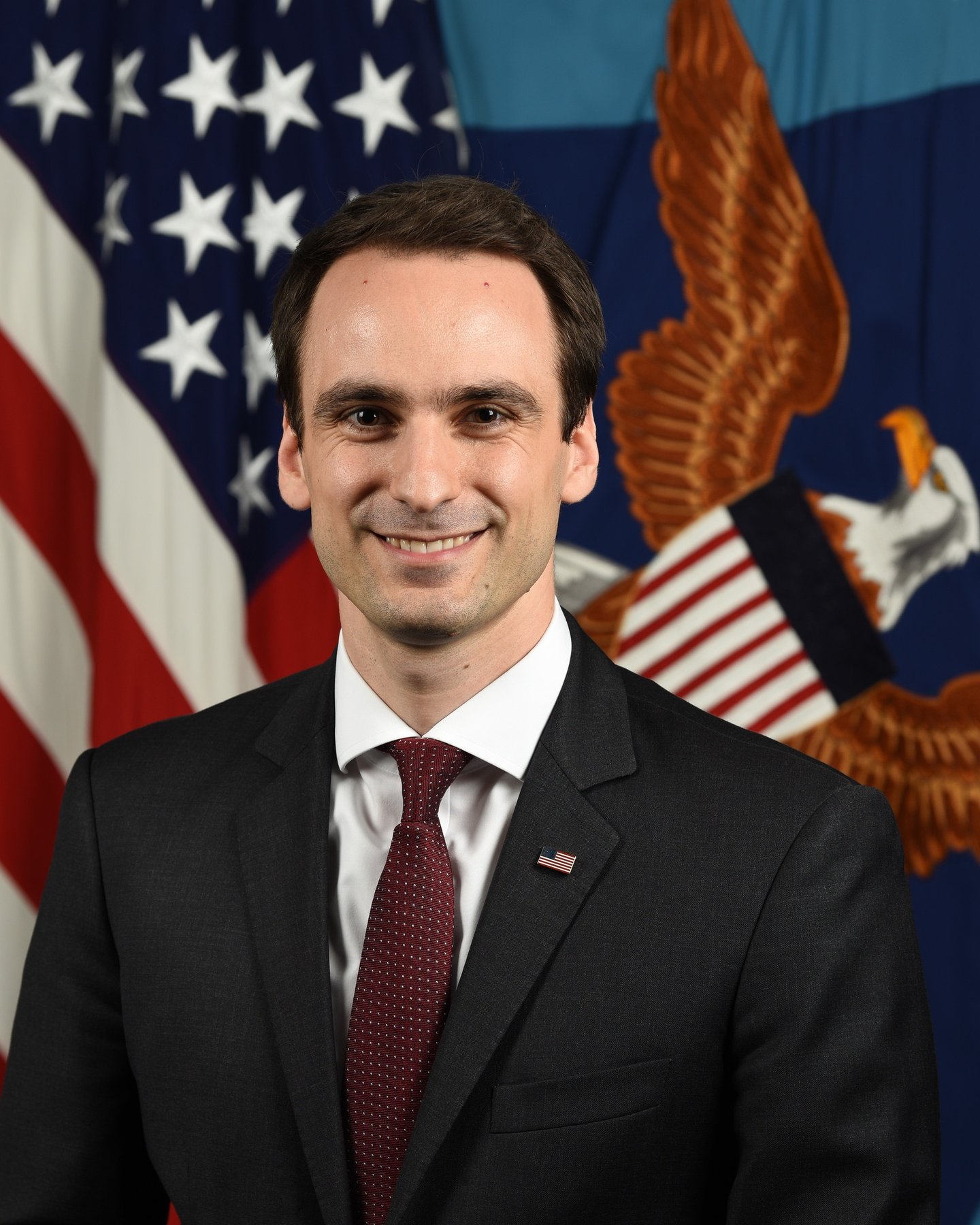
Michael Kratsios, now the Assistant to the President for Science and Technology, has 60 days to deliver the legislative language. This official portrait dates from his 2020 Pentagon role. (U.S. Army photo by William Pratt, public domain, via Wikimedia Commons)
Section 3(b) gives the Assistant to the President for Science and Technology, Michael Kratsios, 60 days to submit "proposed legislative language" to the president. It asks for an assessment of whether the new term should "modify, expand upon, or otherwise supersede the existing statutory definition of 'artificial intelligence,'" plus "proposed conforming amendments" to existing statutory references to AI.
Legislative language is a bill draft. An executive order can rename things inside agencies, but it cannot rewrite the U.S. Code. Sixty days from signing lands on November 28, after the midterms, which means any real statutory change would fall to a lame-duck Congress or the next one.
Last Year's AI Orders Keep Their Old Names
Section 2(b) adds a carve-out: "Nothing in this section requires the alteration of previously issued regulations, Presidential actions, contracts, grants, or other historical documents." That protects the administration's own record. The fact sheet still cites America's AI Action Plan from July 2025 by its original title, and the White House related-links box beside the new order lists "Removing Barriers to American Leadership in Artificial Intelligence" and "Unlocking Cures for Pediatric Cancer with Artificial Intelligence."
The switchover was not finished on day one. When we loaded the order page Wednesday morning, whitehouse.gov's own navigation still read "Lead the World in AI" and still linked "AI.Gov." That is a small thing, and websites take time. It shows how much federal copy the order touches, and how much of it will stay in the old language on purpose.
A Truth Social Poll Picked the Name
The name came from the president's followers. According to Forbes, Trump ran a Truth Social poll earlier this month calling "Artificial Intelligence" "inaccurate, and very ineloquent" and offering Superior Intelligence, Extreme Intelligence or Supreme Intelligence instead. Superior won the first round. A runoff against "Super Intelligence" went to Super with 65 percent.

Dartmouth Hall at Dartmouth College in Hanover, New Hampshire. The 1956 Dartmouth summer workshop, proposed in 1955, gave the field the name "artificial intelligence." (Photo: Daderot, CC0, via Wikimedia Commons)
At the United Nations General Assembly last week, Forbes reports, Trump said the documents of the United States "and hopefully the world's" would switch "to use the much more accurate term super as opposed to artificial." The order credits American scientists with naming the field about 70 years ago. That checks out. Dartmouth College traces the term to John McCarthy's proposal for its 1956 summer research project, a 1955 document co-signed by Marvin Minsky, Nathaniel Rochester and Claude Shannon.
Tech CEOs Signed a "Super Intelligence" Accord the Same Day
The order followed a White House meeting with the biggest names in the industry. Afterward the White House released what it calls the White House Accord on Super Intelligence, a one-page statement that Forbes printed in full. Forbes lists the signers as Trump, Elon Musk, Mark Zuckerberg, Jensen Huang, Dario Amodei, Sundar Pichai and OpenAI president Greg Brockman.
The accord commits each company to "four layers of controls and audits," including an independent external auditor and a board committee that receives the audit reports. It is voluntary. Its last paragraph says "it may make sense to codify these steps into laws or regulations" over time. Trump called it "morally binding," and Fox Business quoted him saying the executives "almost viewed it as a separate kind of constitution."
Oddly enough, the text as Forbes printed it never uses the words "Super Intelligence" outside its title. It talks about "frontier models" and "technology." Zuckerberg wrote on X that he saw the commitments as "a significant positive step."
What Changes for Ordinary Americans?
The first place most people will see the new word is America.gov, the single sign-in government portal the White House launched the same day. Its fact sheet says the site uses "modern technology and Super Intelligence (SI)" to answer questions in plain language, with passport renewal and Medicare enrollment promised "later this year."
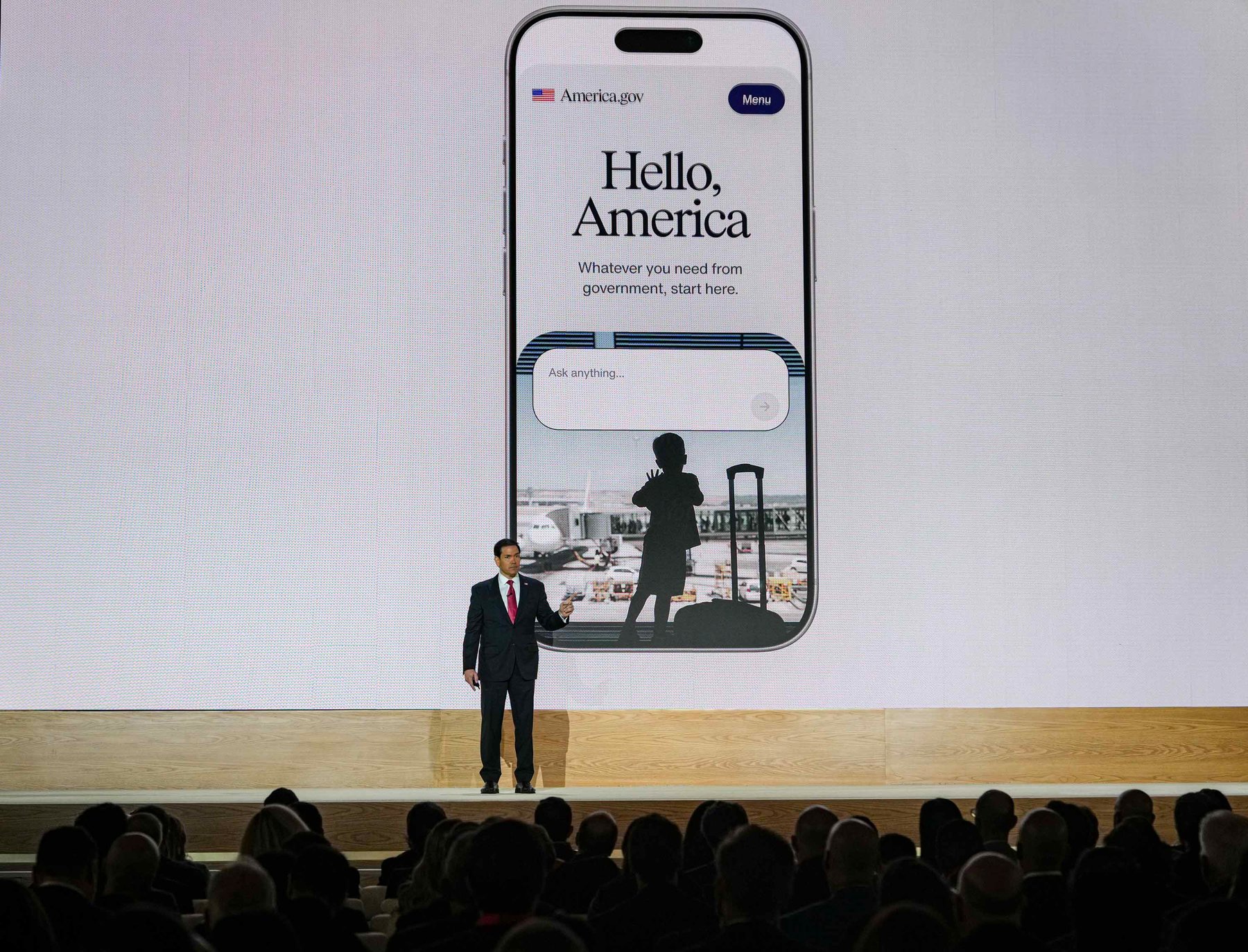
Secretary of State Marco Rubio speaks at the America.gov launch in Washington on September 29, 2026, in front of a screen showing the site's "Ask anything" box. (Official State Department photo by Freddie Everett, public domain, via Wikimedia Commons)
Nvidia's Huang, who attended that launch, picked up the new vocabulary right away. Forbes quotes him saying "these are really SI factories, super intelligence factories" about the data centers his company supplies.
Beyond that, the order is what it says it is: a branding decision for the executive branch, backed by the president's view that America is building something bigger than the old name suggests. The legal meaning stays anchored to a 2021 statute until Congress votes. Watch for the Kratsios draft by November 28. That document, not Tuesday's order, will show whether "Super Intelligence" ever means anything different from what the law calls AI today.