The Senate votes Wednesday on H.R. 7008, the House-passed bill that bars members of Congress from buying individual stocks and requires photo ID to vote in federal elections. Chuck Schumer says it was "built to fail." Read the bill itself and you find two dates nobody is talking about: the voter ID rules would switch on 90 days after the President signs, and the stock rules would wait 180.
Thune Is Forcing Democrats to Vote on Both at Once
Majority Leader John Thune filed cloture Monday night on the motion to proceed to H.R. 7008, the Stop Insider Trading Act, according to the Senate Press Gallery's floor log. It is first in line, ahead of the Ratepayer Protection Act and Keith Sonderling's nomination for Labor Secretary. Clearing a filibuster takes 60 votes, so Republicans need Democrats to cross over.
They almost certainly won't. The Washington Examiner reported Wednesday morning that both bills are "slated to fall victim to the 60-vote filibuster." Thune put the choice bluntly on Tuesday: "we'll see if the Democrats are willing to take 'yes' for an answer."
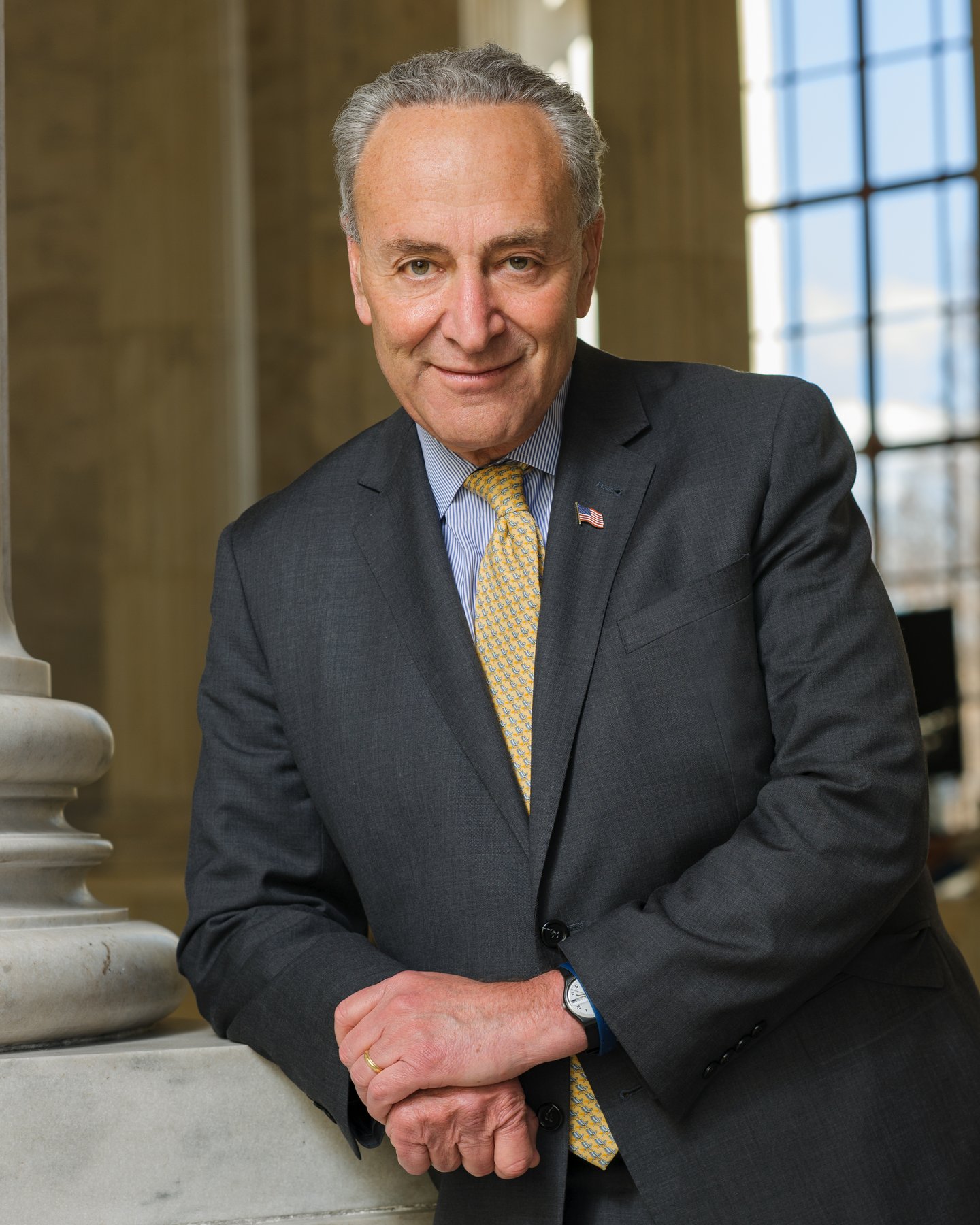
Senate Minority Leader Chuck Schumer, who called the stock trading bill "built to fail" because of its voter ID section. (U.S. Senate Photographic Studio, public domain, via Wikimedia Commons)
Schumer's answer, per the Examiner, was that the bill is "just another desperate Republican attempt to pretend they're fighting corruption when what they really want is to score political points." So the party that spent years demanding a congressional stock ban is preparing to block one, because the same bill asks voters to show a driver's license.
Every Republican Voted Yes in the House. Every No Was a Democrat.
The House passed H.R. 7008 on July 22 by 232 to 198. We pulled the Clerk's roll call 280 file and counted it by party. Republicans voted 218 to 0. Democrats voted 13 yes and 198 no, with one not voting. The one independent on the roll, Kevin Kiley of California, voted yes.
The 13 Democrats, as listed by Newsweek and matching the Clerk's file, were Kathy Castor, Henry Cuellar, Don Davis, Jared Golden, Vicente Gonzalez, Josh Gottheimer, Marcy Kaptur, Susie Lee, Jared Moskowitz, Chris Pappas, Marie Gluesenkamp Perez, Darren Soto and Derek Tran. Several said they held their noses. Golden called the voter ID pairing "a cynical, political move" and still voted yes because, in his words, the stock ban is "a meaningful first step."
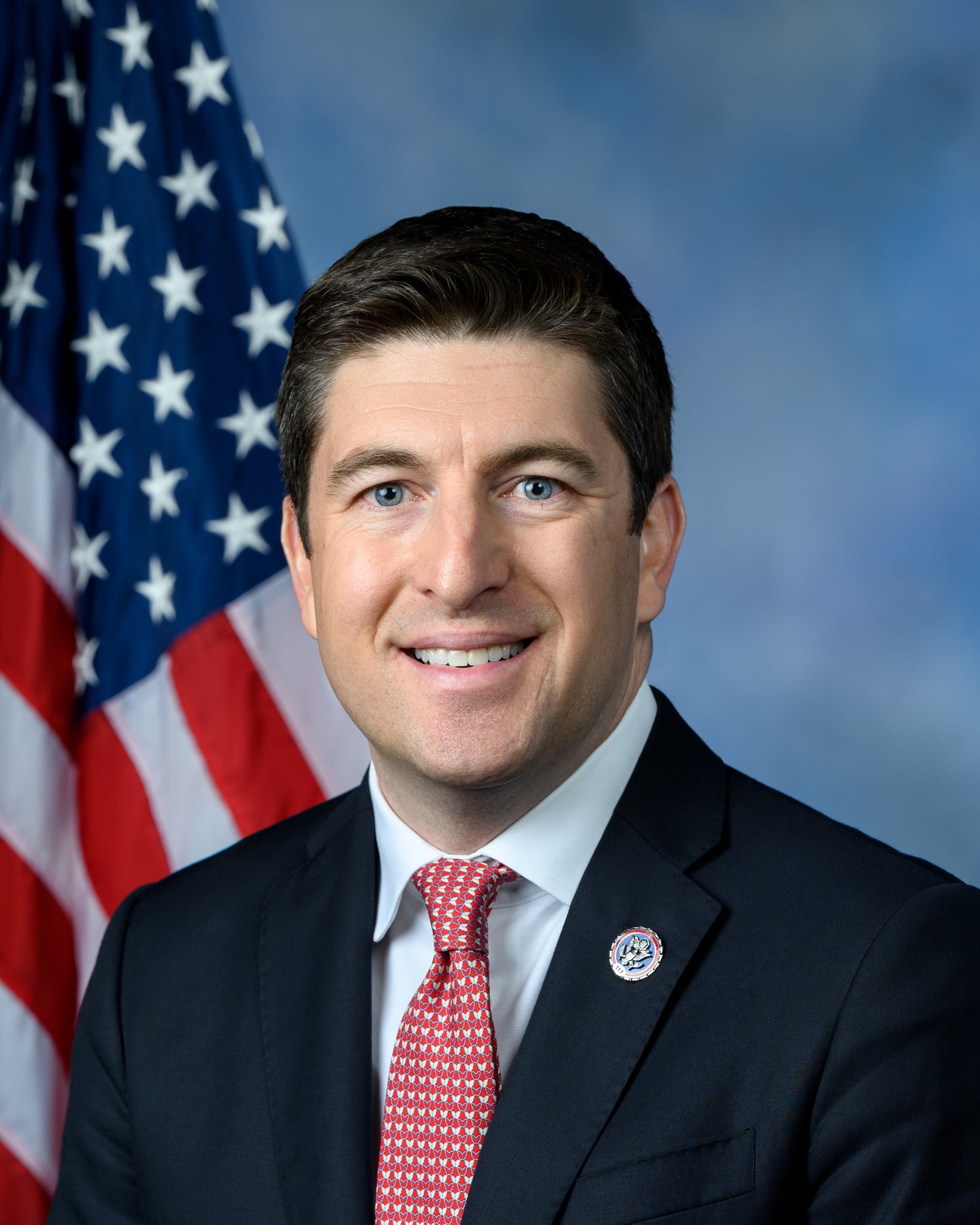
Rep. Bryan Steil of Wisconsin, who introduced H.R. 7008 on January 12, 2026. (U.S. House of Representatives, public domain, via Wikimedia Commons)
Rep. Bryan Steil of Wisconsin introduced the bill on January 12 as a stock measure only. The voter ID language was added in July. According to a Sept. 28 letter from the Campaign Legal Center, which opposes both halves, the House amended in the text of H.R. 9368, the Voter ID Act, which tracks Section 3 of the SAVE America Act.
The Voter ID Clock Runs Out After Election Day
Here is what the engrossed text actually says. Section 2, the stock rules, "shall take effect on the date that is 180 days after the date of enactment." Section 3, the photo ID requirement, "shall take effect on the date that is 90 days after the date of the enactment." Both lines are in the 16-page House-passed bill on govinfo.gov.
Do the math from today. If the Senate passed this bill Wednesday and President Trump signed it Wednesday night, the voter ID rules would start on December 29, 2026. The midterms are November 3, which is 34 days away. The House is out until November 9, so any Senate change to the bill, including stripping the voter ID section, could not get a House vote before the election either.
Official record
H.R. 7008, Stop Insider Trading Act, 119th Congress, engrossed as passed by the House of Representatives July 22, 2026. Placed on the Senate calendar as Calendar No. 548 on August 6, 2026. Official text at govinfo.gov.
"(c) EFFECTIVE DATE. This section and the amendments made by this section shall take effect on the date that is 180 days after the date of enactment of this Act."
H.R. 7008, Section 2(c), page 9
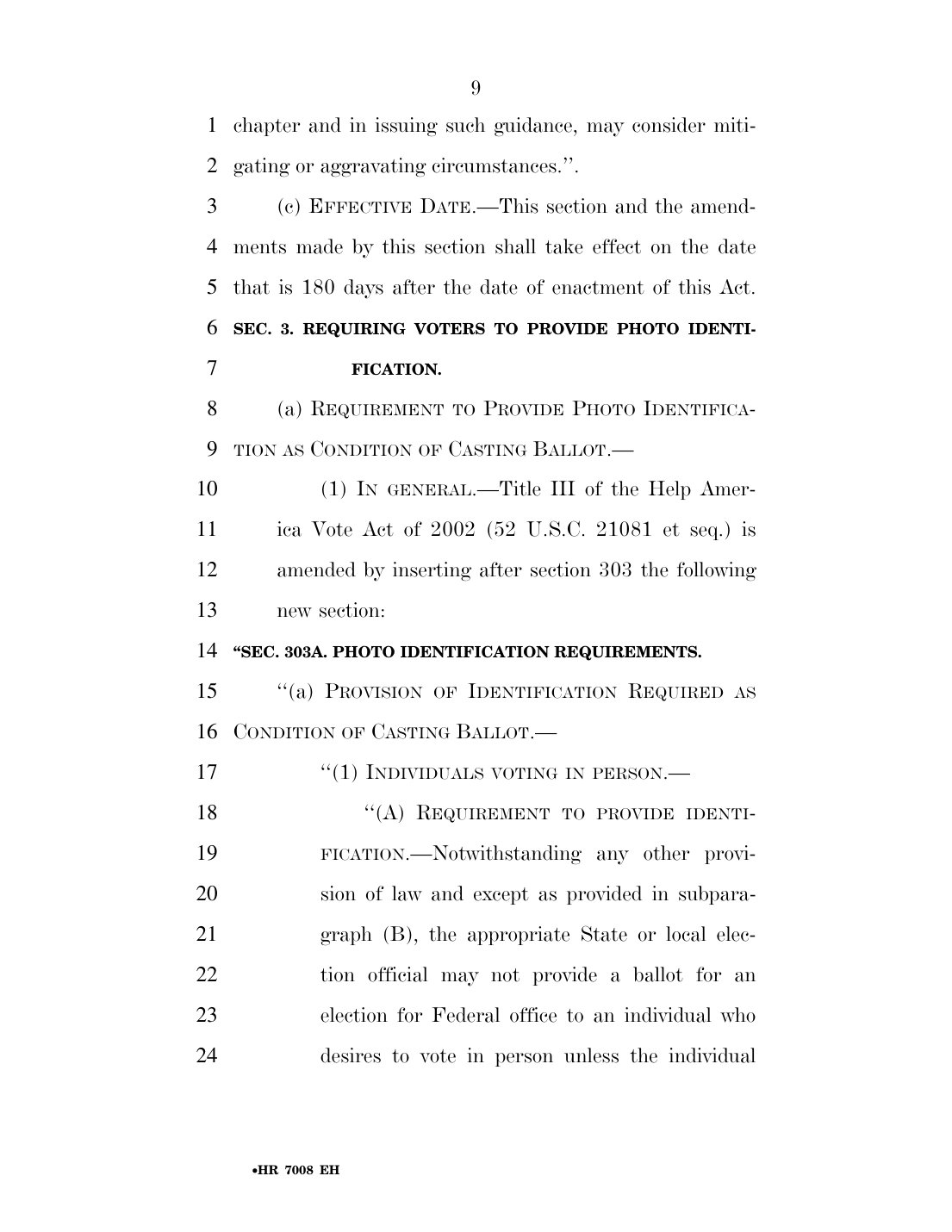
Read or download the full 16-page House-passed bill (PDF) · House roll call 280
So the Democratic line that this is an election-year attack on voters doesn't square with the bill's own calendar. Nobody would show an ID under H.R. 7008 this November. The first federal elections it could touch would be any special elections held after that date and the 2028 cycle.
Members Could Keep Buying Stock for Six Months
The stock half runs on the slower clock. Under the 180-day effective date, a bill signed today would not bar a single purchase until March 29, 2027. Members of Congress, their spouses and their dependent children could keep buying individual stocks through the entire lame-duck session and into the next Congress.
Once the ban does start, the text says no covered individual "may purchase a covered investment," which it defines as a security of a publicly traded company or a derivative like an option or warrant. Sales stay legal, but the member has to post a public notice of intent to sell at least 7 and no more than 14 calendar days ahead, with the projected date and the number of shares. The penalty is $2,000 or 10 percent of the trade, whichever is greater, plus any net gain. The bill bars paying that fine out of campaign money or the office budget.
The Carve-Outs Are Written Into the Definitions
Read Section 2 line by line and the exemptions are specific. Diversified mutual funds are out. So are funds that would count as diversified except that they concentrate in the United States or in the member's home state. Small businesses as defined by the Small Business Act are exempt. So is any trust where no covered person can appoint or direct the trustee, as long as the trustee isn't a spouse, child, parent or sibling of the member.
A spouse whose job involves trading can keep doing it, as long as the trades aren't in holdings a covered individual owns, and stock received as pay from an employer is exempt. Automatic dividend reinvestment is allowed. The bill covers members of Congress and their families only, which is why Roll Call noted that Democrats want to use any floor debate to raise trading on behalf of the President, who is not covered.
The Mail Ballot Rules Have More Exits Than Critics Admit
In person, the rule is strict. A poll worker "may not provide a ballot" to a voter without one of five IDs: a state driver's license or state ID card with photo and expiration date, a U.S. passport, a Defense Department or VA photo card, or a Tribal ID with photo and expiration date. A voter without one gets a provisional ballot and has three days to bring ID or sign an affidavit of religious objection to being photographed.
Mail voters get more room than the headlines suggest. The text gives them three ways to comply. They can send a copy of a valid photo ID, or send the last four digits of their Social Security number with a signed affidavit that they could not get a copy, or have the ballot notarized. Military and overseas voters under UOCAVA are exempt from the mail ID rule entirely, and so are voters covered by the elderly and disability absentee law. States must also give the public free access to a copier or scanner at courthouses, libraries and police stations to copy an ID.
The Campaign Legal Center's letter argues the ID list is narrower than most state laws and would force changes in at least 35 states. That is a fair debate to have. But Rep. Seth Magaziner's warning, quoted by Newsweek, that the bill would "gut mail balloting" is hard to square with a text that accepts four Social Security digits and a sworn affidavit in place of an ID copy.
What Wednesday's Vote Will Actually Decide
Wednesday's vote is on the motion to proceed, whether the Senate even starts debate. If it fails, Democrats will go home to campaign having blocked a stock trading ban, and Republicans will go home having forced them to do it. Sen. Pete Ricketts, who sponsors the Senate companion and faces independent Dan Osborn in Nebraska, is one Republican the Examiner says benefits from the vote.
The fine print cuts against both sides' talking points. Voter ID in this bill could never have reached this November's ballots. The stock ban wouldn't bite until spring. What Democrats are really voting on is whether photo ID becomes federal law for 2028, and whether they will accept a real, if partial, trading limit to stop it.
Top photo: House Speaker Mike Johnson meets with then-Senate Majority Leader-elect John Thune in the Capitol, November 14, 2024. (Office of Speaker Mike Johnson, public domain, via Wikimedia Commons)