President Trump paused a 50 percent tariff on tens of billions of dollars in Canadian goods just hours before it was set to hit, after the White House says Canada agreed to finally drop trade barriers on American booze, cheese and cars.
What Trump actually suspended
With the new duties set to take effect at 12:01 a.m. on Aug. 19, Trump signed a proclamation late Tuesday delaying them three days, to Aug. 22. The delay covers three separate tariff orders he issued in July, targeting roughly $20 billion worth of Canadian goods.
Trump made the call himself on Truth Social. "I have paused the 50% Tariffs against Canada, that were scheduled to kick in tomorrow morning for a three day period, based on the fact that Canada and the U.S.A., subject to the finalization of documents, have a DEAL!" he wrote, according to CTV News.
Why Canada was staring down 50 percent tariffs
Trump didn't pull the number out of nowhere. In July he signed three proclamations declaring Canada was discriminating against U.S. commerce: banning the sale of American alcohol outright while leaving other countries' alcohol alone, capping U.S. cheese with restrictive tariff-rate quotas, and running a motor vehicle tariff scheme that put American-made cars at a disadvantage.
He used Section 338 of the Tariff Act of 1930 to act on it, a Depression-era law that lets a president slap duties as high as 50 percent on a country found to be treating U.S. goods unfairly. It's rarely invoked. Trump invoked it three times against one country in a single month.
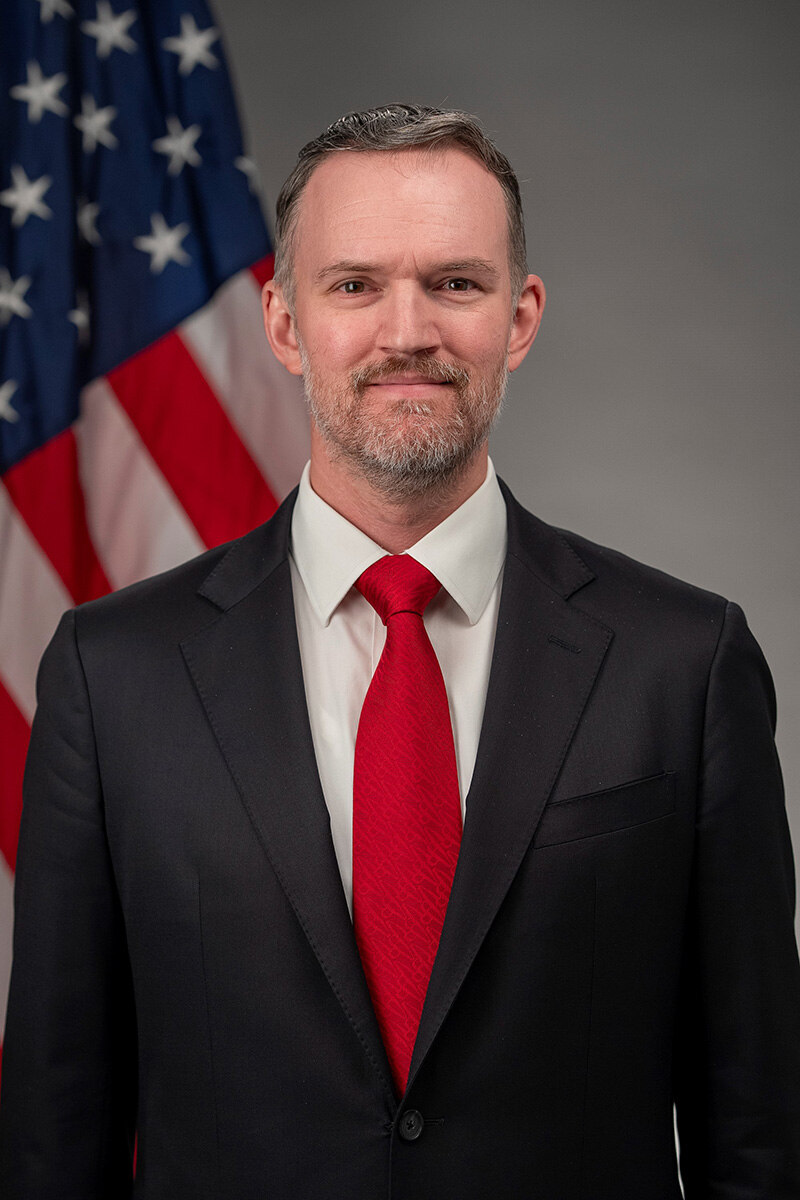
U.S. Trade Representative Jamieson Greer, who led the negotiations with Canada. (Office of the U.S. Trade Representative, public domain)
U.S. Trade Representative Jamieson Greer said the emerging deal delivers for American workers. "The deal will include comprehensive market access for all American goods, economic security commitments, digital trade alignment, and many important provisions that will continue to protect our market and American workers, along with our Canadian partners," he wrote, per CTV News.
Carney says there's still work to do
Canadian Prime Minister Mark Carney isn't calling it done. "Substantial progress has been made, although there is important work still to be done," he said in a statement reported by CTV News, adding that Canada "remains focused on building a stronger, more independent, and more competitive economy at home."
That's a careful way of admitting his government moved first. The three-day window Trump granted is exactly that, a window, not a signed agreement. If the paperwork isn't finished by Saturday morning, the 50 percent duties snap back into place automatically.
Trump dangles a Keystone XL revival
Buried in the same Truth Social post was a line that got almost as much attention as the tariff pause itself. "The great Keystone XL Pipeline, long ago killed by Sleepy Joe Biden, may be awoken from the grave!" Trump wrote, according to CTV News.
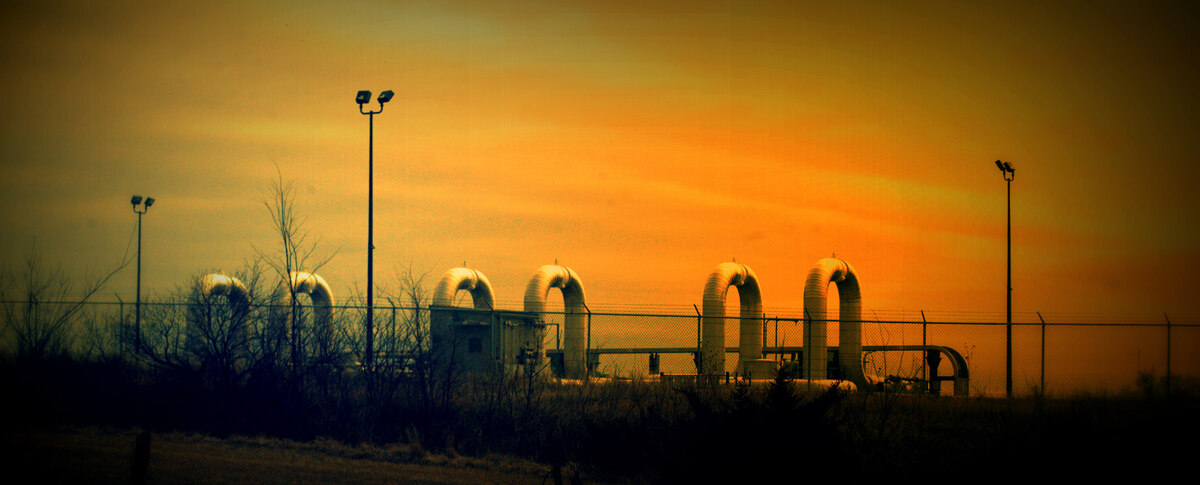
A Keystone pipeline pumping station in rural Nebraska. President Biden revoked the Keystone XL permit on his first day in office in 2021. (Photo by shannonpatrick17, Wikimedia Commons, CC BY 2.0)
Biden killed the cross-border pipeline permit within hours of taking office, ending a project that would have carried Canadian crude to U.S. Gulf Coast refineries and put thousands of construction workers on the job. Trump offered no specifics on how or when Keystone XL might come back. It reads like a trial balloon tied to the broader trade talks, not an announced policy.
Why it matters
Skeptics have spent weeks predicting Trump would blink first on this deadline. He didn't. The proclamation he signed says, in the government's own words, that it was Canada that came to the table promising to drop the alcohol ban, loosen the dairy quotas and fix the auto tariff scheme, not the other way around.
The next three days decide whether that promise turns into a real, signed deal or whether Saturday morning brings the 50 percent tariffs back on schedule. Either way, Trump got Ottawa to move first, and he did it without giving up the leverage.