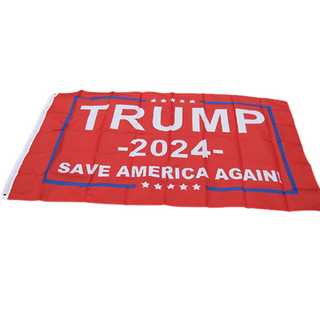
Iran picked a rough week to keep testing President Trump's patience. Wednesday night, Trump announced what he's calling "Economic D-Day," a new sanctions campaign he says will be the harshest ever aimed at any country, hours after the United Arab Emirates cut off $28 billion a year in trade with Tehran over a pair of ballistic missiles Iran fired at Gulf shipping lanes.
What Trump actually said
On Truth Social, in his usual all-caps style, Trump wrote that he's launching "the MOST CRUSHING ECONOMIC OPERATION EVER TAKEN AGAINST ANY COUNTRY," warning that any nation that helps Iran dodge sanctions "will itself face TREMENDOUS Economic Consequences." He named exactly what he wants shut down: oil smuggling, swap lines, cash transfers, exchange houses, ship registries, front companies.
Trump said Iran had every chance to make a deal and threw it away. He also claimed Operation Epic Fury, the war he launched on February 28, has already crippled Iran's military: "Their navy is gone, their air force is destroyed, their military factories are now rubble, their currency is worthless." Treasury Secretary Scott Bessent had already warned days earlier that the administration was preparing measures "like have never been seen" in the history of economic isolation.
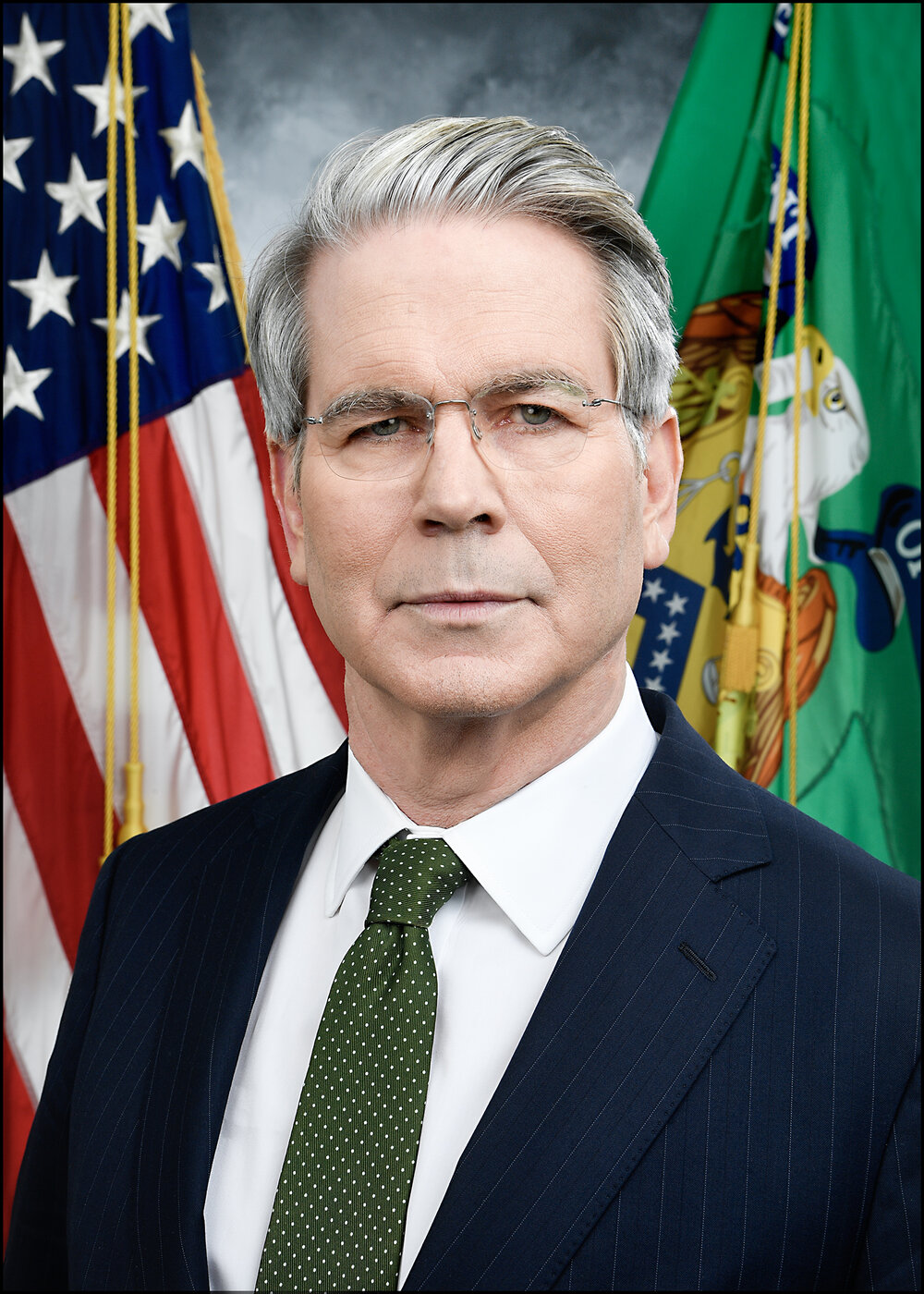
Treasury Secretary Scott Bessent, who is leading the new sanctions push and says the goal is to "collapse" Iran's regime. (U.S. Department of the Treasury, public domain)
Iran's own missiles gave Trump the opening
The UAE's decision landed the same day. Abu Dhabi said Iran fired two ballistic missiles at shipping traffic Tuesday night, missiles that splashed into the sea near Emirati waters and triggered a shelter-in-place alert in Dubai before an all-clear. Iran denied it and suggested it could have been a "false flag." The UAE wasn't buying it and halted all trade, commercial exchanges, and financial transactions with Iran "until further notice."
The number matters. The UAE was Iran's largest source of imports, worth roughly $28 billion a year, and Dubai has functioned as Tehran's back door to the world economy for years: gold, electronics, machinery, hard currency, a workaround for Western sanctions. Foundation for Defense of Democracies fellow Miad Maleki called the UAE and China "Iran's two economic bloodlines" and said there's simply "no substitute for Dubai."
Betting on economics instead of more bombs
Bessent laid out the strategy Thursday on CNBC. "It is going to work in Iran and we are going to collapse this regime," he said, adding that Washington expects allies to fall in line: "you are either with us or against us." Asked about China, still Iran's biggest oil customer, he said only that Beijing needs to "get with the program." He's set to detail the actual sanctions Monday.
The pivot comes almost six months into a war with no clean resolution. Iran is still keeping the Strait of Hormuz largely restricted, and the Navy just rotated in a fresh carrier, the USS George Washington, to relieve the USS Abraham Lincoln after a deployment stretching back to November.
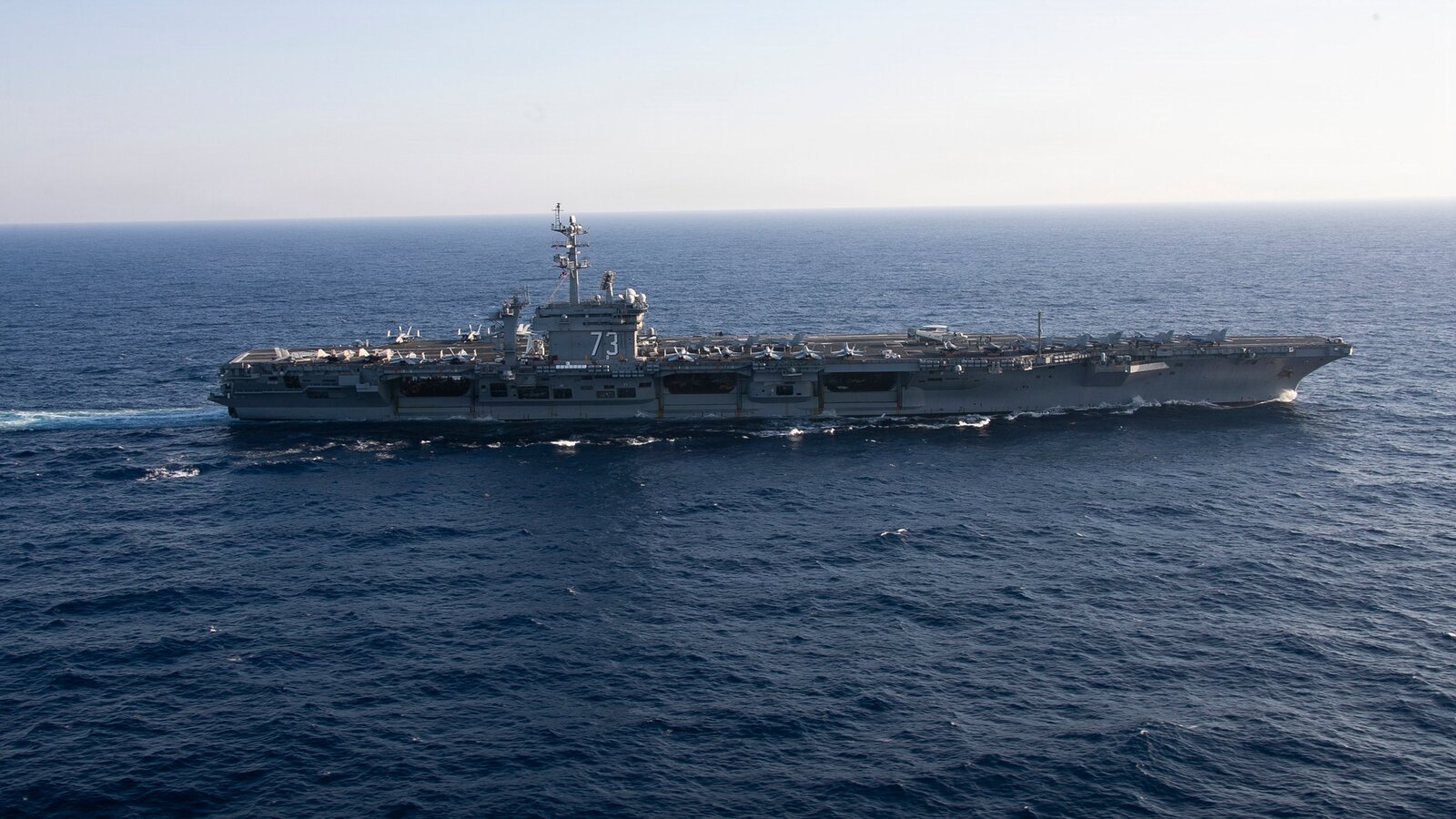
The USS George Washington, shown here during earlier operations, arrived in the Middle East this week to relieve the USS Abraham Lincoln carrier strike group. (U.S. Navy photo by Seaman Apprentice Anthony Vilardi, DVIDS, public domain)
What happens next
Iran isn't backing down in public. Foreign Minister Abbas Araghchi called the announcement a "diversion from America's own crisis" and labeled the sanctions threat "economic terrorism." That's a hard sell coming from Tehran: Iran's own Statistical Center put year-on-year inflation at 88 percent last month, with food prices up 128 percent over the same period.
Trump's bottom line hasn't moved: no Iranian nuclear weapon, period. Whether "Economic D-Day" ends up being more than a slogan depends on what Bessent rolls out Monday, and on whether allies who just watched the UAE cut ties with Tehran decide it's smarter to stand with Washington than to keep quietly propping up the regime.