

A headline this week said the Supreme Court will decide whether religious schools can take public money and still discriminate. The two questions the justices actually agreed to hear never use that word. They ask what test a court should apply when a state funding rule burdens a church, and whether the Court's 2022 school-aid ruling reaches beyond outright exclusions.
What is the Supreme Court actually deciding?
The case is St. Mary Catholic Parish v. Roy, No. 25-581, set for argument on Tuesday, Nov. 3, which is also Election Day. The headline came from Chalkbeat. Its report describes a real dispute, and the schools' own filings confirm the admissions policy at the center of it. But the Court's order limited review to the two legal questions below, per SCOTUSblog's case page.
Official record
Brief for Petitioners, St. Mary Catholic Parish in Littleton v. Roy, No. 25-581 (U.S. filed June 25, 2026), Questions Presented.
"Whether Carson v. Makin displaces the rule of Employment Division v. Smith only when the government explicitly excludes religious people and institutions." Question 2, Brief for Petitioners
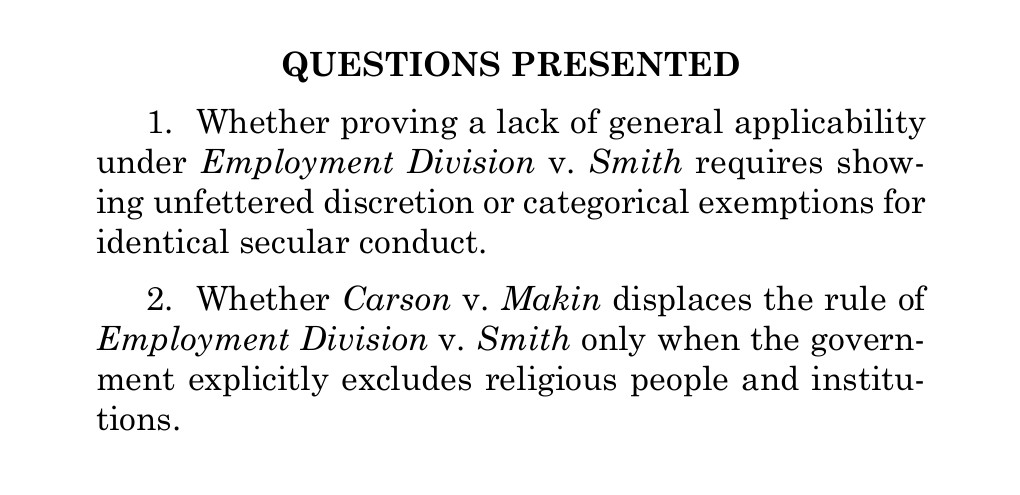
Static capture of the Questions Presented page · read the full brief (PDF) · view the Supreme Court docket
What is Colorado's rule?
Colorado's universal preschool program covers 15 hours a week for every four-year-old, valued by the state at an average of $6,300 per child, according to the preschools' brief. Any licensed preschool can join, religious ones included. Every participant must offer "an equal opportunity to enroll" regardless of "race, ethnicity, religious affiliation, sexual orientation, gender identity, lack of housing, income level, or disability," quoting the state's brief.
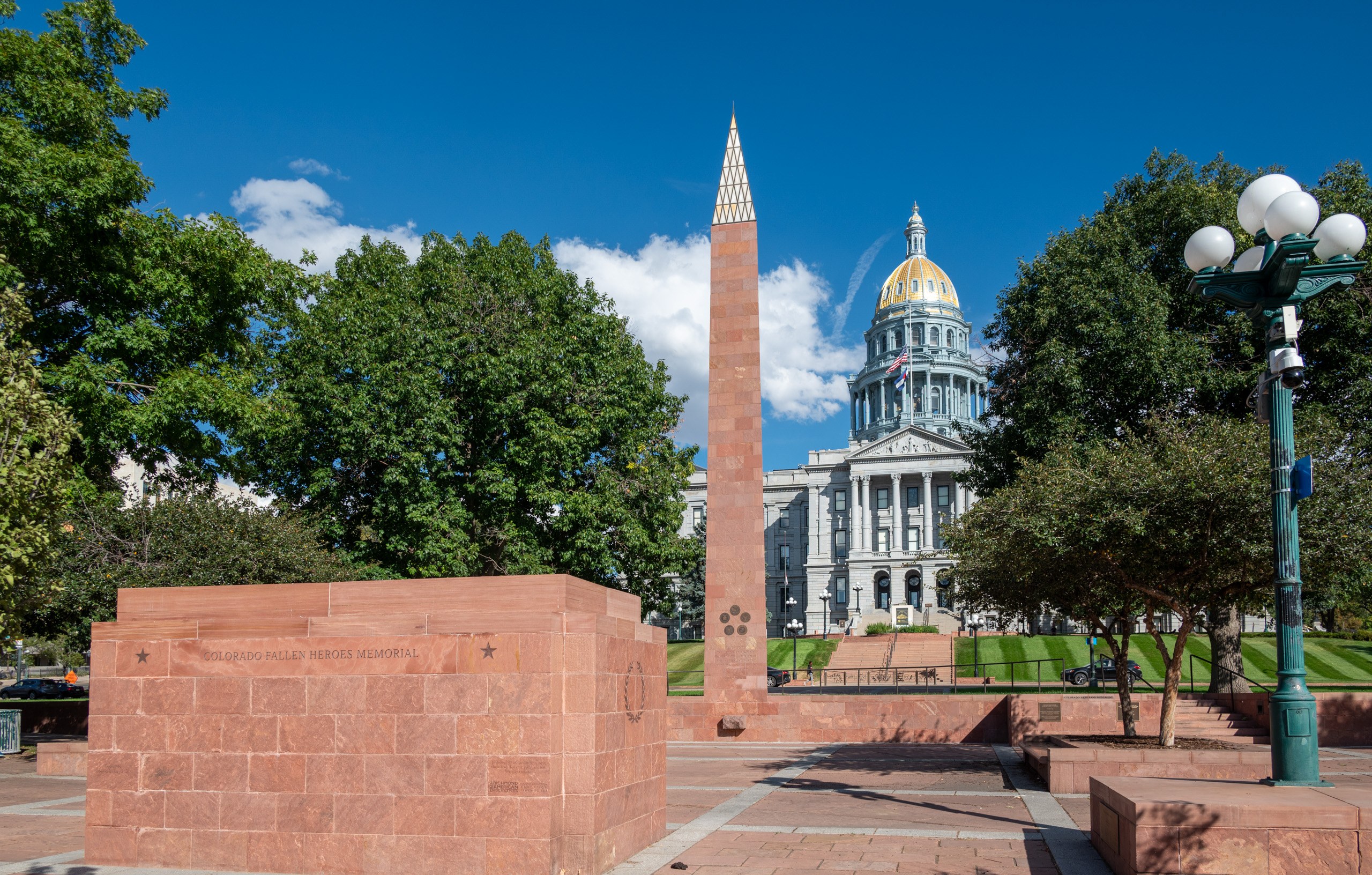
The Colorado State Capitol in Denver, seen past the Colorado Fallen Heroes Memorial. Photo: xiquinhosilva via Wikimedia Commons, CC BY 2.0.
What do the Catholic preschools say they do?
They do not hide it. The Archdiocese of Denver, which oversees 34 Catholic preschools, requires parents to sign a statement of beliefs before enrolling. The preschools' brief quotes its guidance to school leaders: "If the family doesn't see eye to eye on" Church teaching about biological sex and marriage, "we ask our school leaders to please not admit the child out of abundant respect for the family."
The state's brief puts the other side plainly. Catholic schools in the program may teach their views, it says, but the program "does not allow any publicly funded preschool to exclude children who wish to enroll in the school simply because their parents are gay."
Why do the schools say the rule is not neutral?
Their central point is about numbers. By the brief's count, about 2,000 preschools take part in the program, and more than 1,000 use at least one state-approved enrollment preference. Some serve only low-income families. Others serve only children with certain disabilities. The brief says the state's own program director testified that a preschool could limit enrollment to "gender-nonconforming children," prioritize "children of color," or prefer families who are "part of the LGBTQ community."
Colorado rejects that reading. Its brief says "Neither UPK's statute nor its regulations allow any exceptions from those requirements," and that income and disability preferences exist because the law itself directs specialized services to those children. A unanimous Tenth Circuit panel agreed with the state, per Colorado's brief.
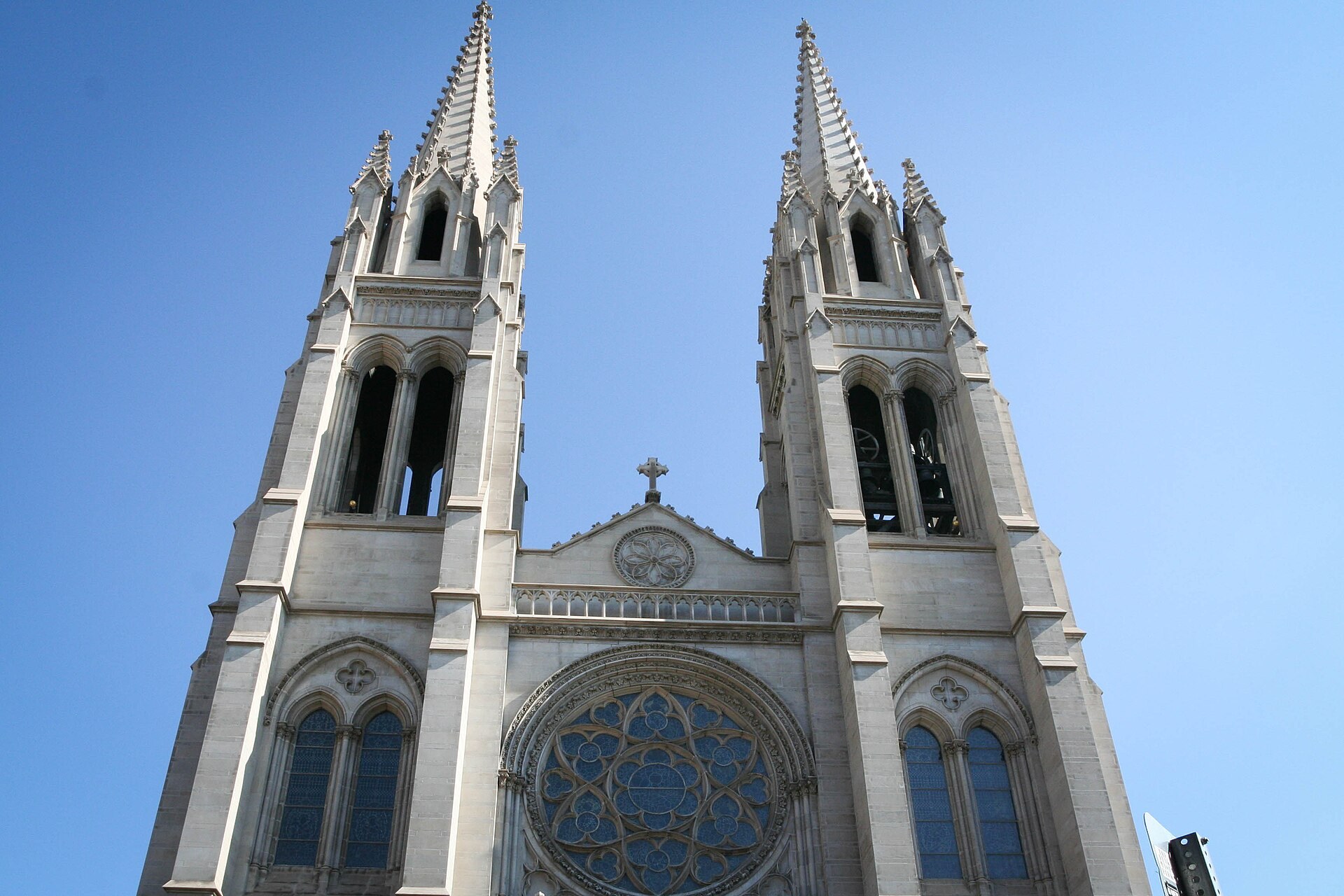
The Cathedral Basilica of the Immaculate Conception, seat of the Archdiocese of Denver. Photo: Sharon Mollerus via Wikimedia Commons, CC BY 2.0.
What has it cost the families?
The petitioners say enrollment in Archdiocese parish preschools has fallen almost 20 percent since the program began, and that two parish preschools, Wellspring Catholic Academy and Guardian Angels Catholic School, closed during the lawsuit. They also say plaintiffs Daniel and Lisa Sheley have lost more than $12,000 in tuition help. Those figures are the preschools' own account in their brief.
Colorado's brief points out that more than 40 faith-based providers, including six Catholic Charities preschools tied to the Archdiocese, joined in the first year.
Which way is the federal government leaning?
Solicitor General D. John Sauer filed a brief for the United States supporting the preschools. It describes a program where recipients can favor children by income, disability and other state-approved criteria "but not religiously-motivated preferential treatment." It also says the government has an interest in "enforcing rules prohibiting discrimination by government funding recipients."
That second sentence matters for anyone predicting the outcome. Even the preschools' allies in the executive branch are not arguing that funding conditions can never apply to a church school. The fight is over whether Colorado applies its condition evenly. Before Nov. 3, read the two briefs side by side.
Header photo: the United States Supreme Court Building. Photo: Sunira Moses via Wikimedia Commons, CC BY-SA 3.0. Cropped.















