California's voter ID measure, Proposition 39, leads 48% to 38% in a new SurveyUSA poll, even though every voter is shown Attorney General Rob Bonta's title saying it "prohibits citizens from voting." That word appears nowhere in the measure itself. We read all of it, and the official summary also leaves out the free voter ID card the measure guarantees.
A Poll That Used Bonta's Own Words Still Found Voter ID Ahead
The new numbers come from SurveyUSA's statewide poll for ABC 10News and the San Diego Union-Tribune, released September 21. Of 742 likely voters interviewed September 15 through 20, 48% said they would vote yes on Proposition 39, 38% said no, and 13% were undecided.
Here is the part that matters. SurveyUSA did not soften the question. According to the full poll report, interviewers described the measure using the exact official ballot title, "Proposition 39, which would prohibit citizens from voting unless they present government-issued identification," followed by the Legislative Analyst's plain yes and no explanations. Voters heard the most hostile framing on the ballot, and a plurality still said yes.
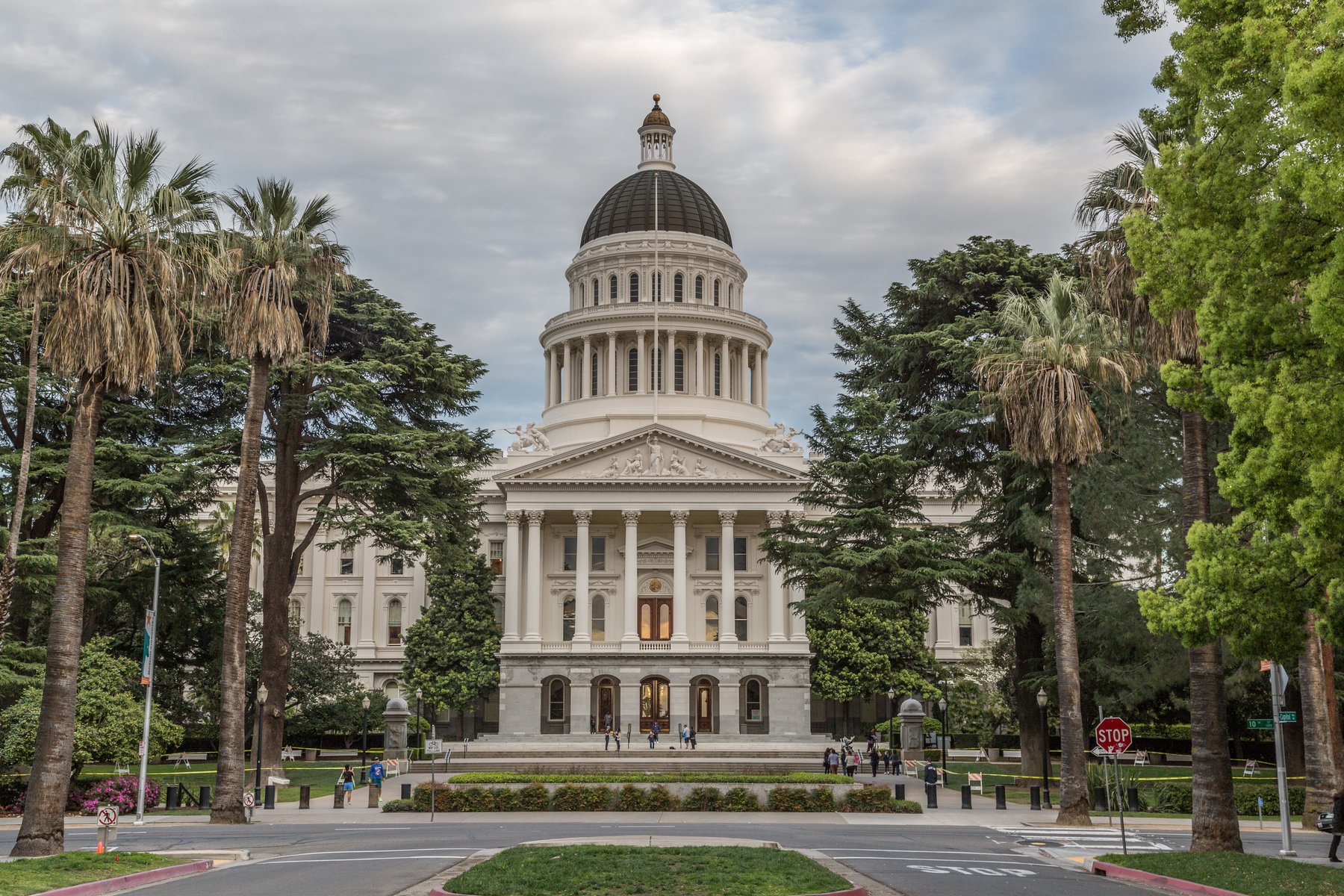
The California State Capitol in Sacramento. Democratic leaders in the Legislature went to court in August to strike claims from the Yes on 39 ballot argument. (Photo: Tony Webster, Wikimedia Commons, CC BY-SA 2.0)
The internals are where it gets interesting. SurveyUSA publishes its full crosstabs by age, party and parenthood alongside the topline, and support for Proposition 39 in this poll reaches well beyond California's Republican base, in a state where the same survey finds President Trump deeply unpopular.
How Did "Establishes" Become "Prohibits"?
The measure did not always carry that title. When it was circulating for signatures, Bonta's office described it as a measure that "establishes additional voter identification and citizenship verification requirements," according to Courthouse News Service. The proponents' attorney, Michael Columbo, told the court the attorney general used that language for 10 months without issue.
Then, after the measure qualified, the title was rewritten to say it "prohibits citizens from voting unless they present government-issued identification." Assemblyman Carl DeMaio, the San Diego Republican who led the signature drive, accused Bonta of trying to "rig the election against Prop 39," as Democracy Docket reported from his interview with KCRA. His campaign, Californians for Voter ID, sued in Sacramento Superior Court.
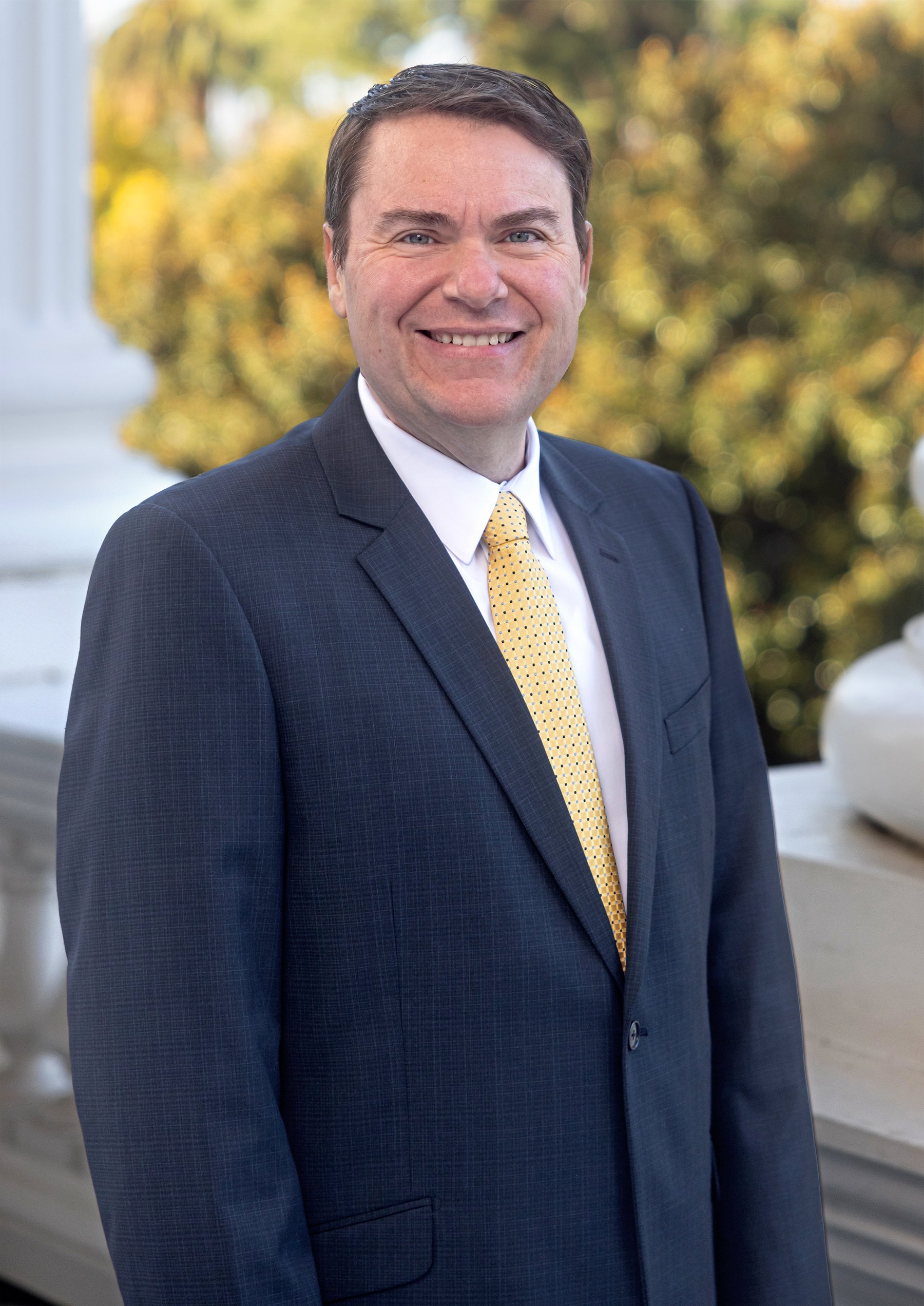
Assemblyman Carl DeMaio (R-San Diego), co-author of Proposition 39, sued over the rewritten ballot title and lost on August 6. (Official California State Assembly portrait, Wikimedia Commons, public domain)
Bonta's Own Lawyer Called the Phrase "Misleading if Read in Isolation"
At the August 6 hearing, Columbo argued the title was simply wrong. A voter without ID can still cast a provisional ballot, he said, and roughly 80% of Californians vote by mail anyway. The measure regulates which ballots get counted, not whether a citizen may cast one.
The state's answer was remarkable. Deputy Attorney General Sabrina McGraw conceded that the phrase "prohibits citizens from voting" is "misleading if read in isolation," per Courthouse News, but argued the full summary cured it. Judge Jennifer Rockwell agreed with the state, ruling that casting a ballot and having it counted are two parts of the same process and calling the title and summary "sufficient." The Yes on 39 campaign said it had no plans to appeal.
So the attorney general's office admitted in open court that its headline, standing alone, misleads. That headline is now printed in bold capital letters across the top of the Proposition 39 pages in the official state voter guide.
Official record
California Secretary of State, Official Voter Information Guide, November 3, 2026 General Election: Proposition 39, Official Title and Summary (prepared by the Attorney General), Analysis by the Legislative Analyst, and ballot arguments. The full measure text appears on pages 133 and 134 of the guide.
"Upon request by an eligible voter, the State shall provide, at no charge, a voter ID card for use in casting a ballot." (Proposition 39, proposed Article II, Section 3.1(b) of the California Constitution)
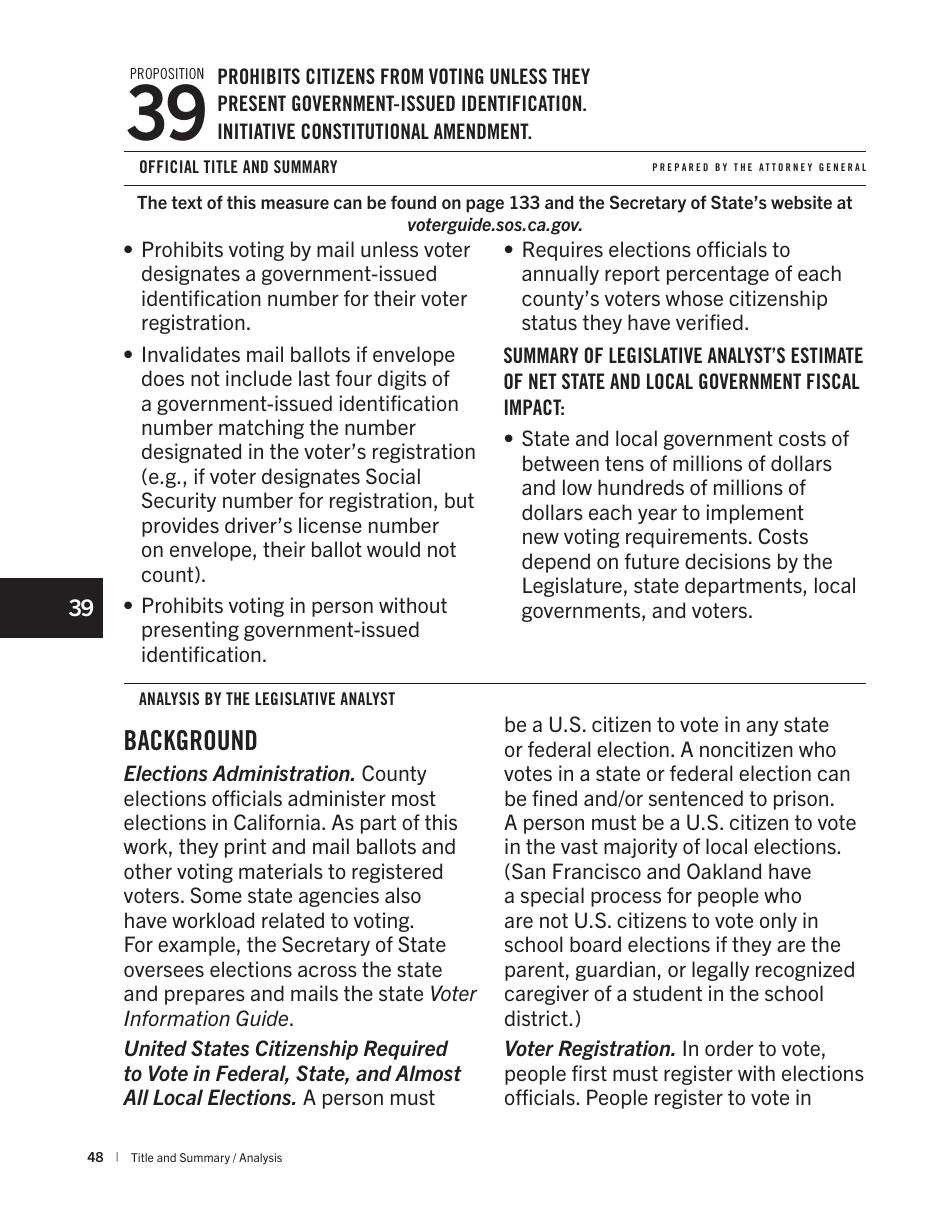
Read or download the full 6-page Proposition 39 section (PDF) · full measure text · voterguide.sos.ca.gov
What the Official Summary Leaves Out
We read the complete text of Proposition 39. It is one new section of the state constitution, about 540 words including the boilerplate. The word "prohibit" does not appear in it once. The operative sentence says officials "shall only count a regular or provisional ballot after verifying the identity of the person voting." Provisional ballots survive by name.
Now compare the attorney general's official title and summary. It uses "prohibits" three times, in the title and in two of its four bullet points, and "invalidates" once. The fourth bullet covers the annual citizenship-verification report.
What those bullets never mention is the free ID. The measure requires the state to hand any eligible voter a voter ID card at no charge. It also orders the California State Auditor to audit state and county compliance every odd-numbered year and publish the findings. Neither provision made it into Bonta's summary. Both appear in the Legislative Analyst's section a page later, under the headings "Creates New State-Issued Voter Identification Card" and "Requires State Auditor to Audit State and County Election Compliance Regularly." The summary is the part printed where voters look first. The analysis is the part most of them skip.
Both Sides Have Already Been Corrected in Court
This fight has not been one-sided. In a separate case the same day, Judge Shelleyanne Chang sided with Assembly Speaker Robert Rivas and Senate President pro Tem Monique Limón, who challenged the Yes on 39 ballot argument. Chang found the proponents' claims that the measure would save money and make voting "easier" were false and misleading, and the campaign agreed to strike them, Courthouse News reported.
On cost, the Legislative Analyst's Office estimates new state and local costs of tens of millions to low hundreds of millions of dollars a year, which it notes is less than a quarter of 1% of the state's General Fund budget. That is a real number and fair game for opponents. It is also a price that California spends without blinking on programs with far less public support.
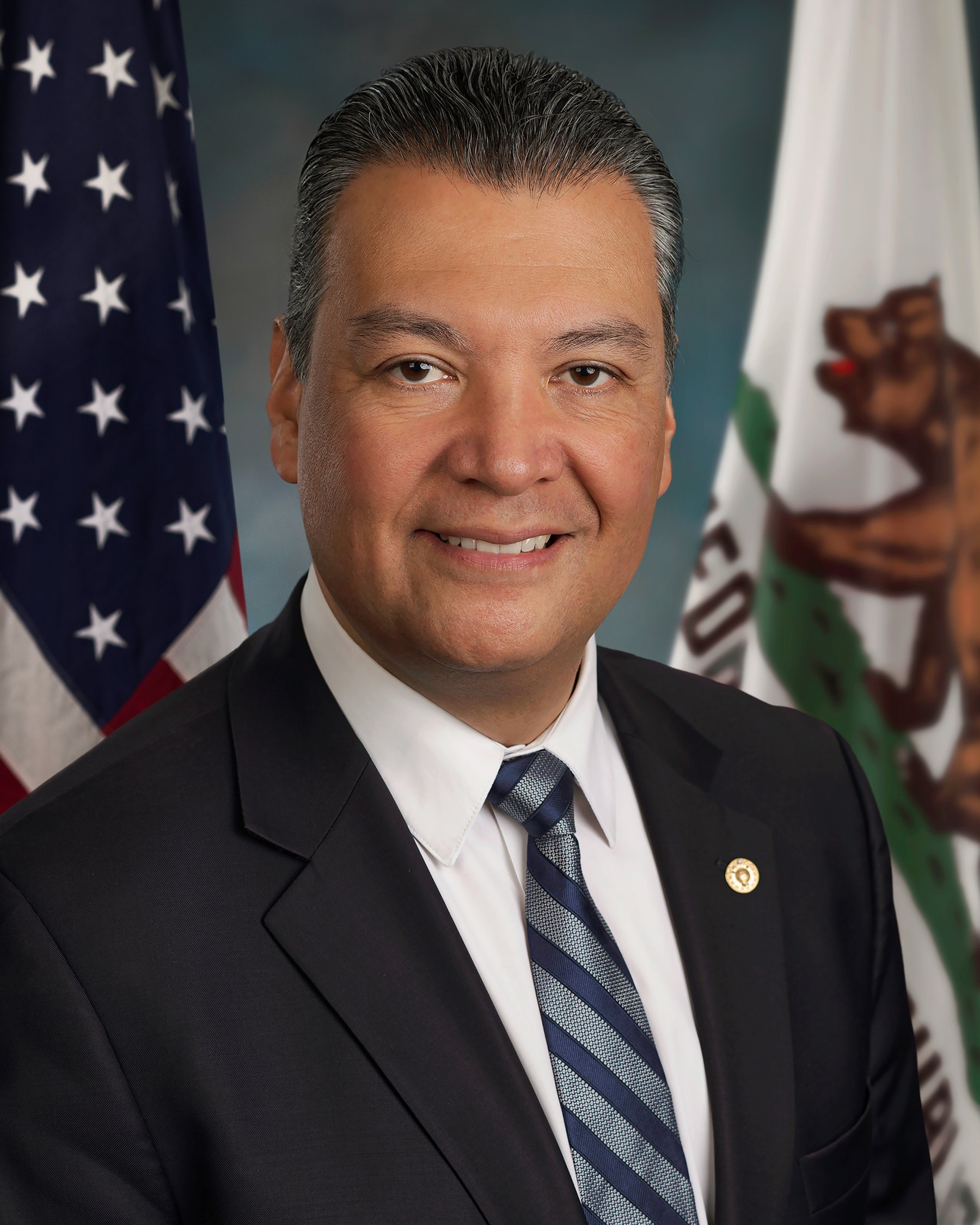
Sen. Alex Padilla (D-Calif.), a former California secretary of state, signed the official rebuttal urging a no vote on Proposition 39. (Official U.S. Senate portrait, Wikimedia Commons, public domain)
The No Campaign Is Running Against Trump, Not Against ID
Read the opposition's own words in the voter guide and a pattern jumps out. The official argument against Proposition 39, signed by ACLU California Action, Common Cause and the League of Women Voters of California, leads with "Donald Trump lies about elections and uses those lies to grab power." The rebuttal signed by Sen. Alex Padilla opens with "Stop Trump from rigging our elections" and closes with "NO KINGS. NO LIES. NO PROP. 39."
Trump's name is not in the measure. He did not write it or qualify it. California Republicans did, gathering the signatures to qualify it, per the measure's public record. The opposition's pitch works on a statewide electorate that, in the same SurveyUSA poll, is broadly hostile to Trump. It works less well on the question actually printed on the ballot, which is whether a voter should show ID.
The proponents' side of the guide, signed by Democratic, Republican and independent coalition chairs of Californians for Voter ID, argues the measure keeps mail ballots and extended polling hours in place. It also claims more than 100,000 ballots were rejected over signature mismatches in the last election. That figure is theirs, and the guide itself notes that ballot arguments "have not been checked for accuracy by any official agency."
Which Poll Is Right?
The honest answer is that nobody knows yet. The Public Policy Institute of California's September survey, taken September 4 through 10, found likely voters opposed 55% to 43%, with 85% of Republicans, 43% of independents and 19% of Democrats in favor. PPIC's own report describes the measure using the attorney general's title plus his "invalidates" and "prohibits" bullet points.
Earlier Berkeley IGS polling swung just as hard. Its April survey of registered voters showed 56% support, and its August survey of likely voters showed 42% support and 51% opposed. That slide overlaps the months when the title was rewritten and Democratic leaders began branding the measure a Trump project.
That pattern suggests the wording, not the policy, is doing much of the work. When California voters are asked about voter ID in plain terms, the idea polls well. When they are told it "prohibits citizens from voting," support falls. SurveyUSA's result says even that framing may not be enough.
What Happens Next
County ballots start going out in early October, and the ballot label will carry the wording Judge Rockwell upheld. Supporters cannot change it before November 3. What they can do is tell voters what is actually in the text: show ID at the polls, write four digits on your mail envelope, and get a state voter ID card free if you need one.
This is the same attorney general who, with Secretary of State Shirley Weber, sued Huntington Beach in 2024 to stop its voter-approved local ID law. Now Californians get the statewide question, and Bonta's office wrote the headline on it. If Proposition 39 passes anyway, California would join the roughly three dozen states that already ask voters to prove who they are, and it would do it over the objection of the official who described it on the ballot.