Gov. Gavin Newsom signed 13 election bills in Los Angeles on September 19, the centerpiece a new felony for anyone who seizes ballots, election records or voting equipment before results are certified. He billed it as a wall against Donald Trump. The statute he actually signed carves out exactly the kind of access a federal court order already reaches, which is the part his press release skipped.
What Newsom actually signed
The signing took place at the "Democracy Center" in Los Angeles, the same building where, per Newsom's own office, federal personnel showed up last year during an immigration operation. The headline bill is AB 282, by Assemblymember Gail Pellerin, which makes it a felony, punishable by 16 months to three years, to seize or help seize ballots, election records or certified voting technology before an elections official certifies the results. Anyone who orders a subordinate to do it faces two to four years.
"Donald Trump won't stop until he can exert dictatorial control over your free vote and disenfranchise millions of people this November," Newsom said in his office's official statement. "California will stop him at every opportunity."
The other 12 bills are narrower: SB 259 makes it a felony for a supervisor to order interference with mail-ballot delivery, AB 1664 requires county officials to notify the Secretary of State and Attorney General within a day of any warrant or subpoena touching election records, and several more extend deepfake disclosure rules and language-access requirements. AB 282 is the one built for a confrontation, and its own legislative findings say so directly: it cites "the current federal Administration" and "the potential motivation for the federal Administration or others aligned with the Administration to interfere" as the reason the bill exists.
The backdrop Newsom is building this against
The timing isn't an accident. Five days earlier, the U.S. Supreme Court left in place an injunction blocking a Trump executive order that would have restricted mail ballots nationwide. Homeland Security Investigations is also several weeks into a coordinated voter-fraud enforcement push across nine states, California among them, running through mid-October. Newsom's own findings language in AB 282 reads like a direct response to that sweep, even though it never names it.
Attorney General Rob Bonta framed the package the same way at the signing. "The Trump Administration is waging an all-out assault on our elections and voting rights, and California refuses to stand idly by," he said, adding that his office has "sponsored and supported multiple pieces of legislation to protect our democracy." Secretary of State Shirley Weber called it a shield "against multiple attacks against our elections and our system of government."
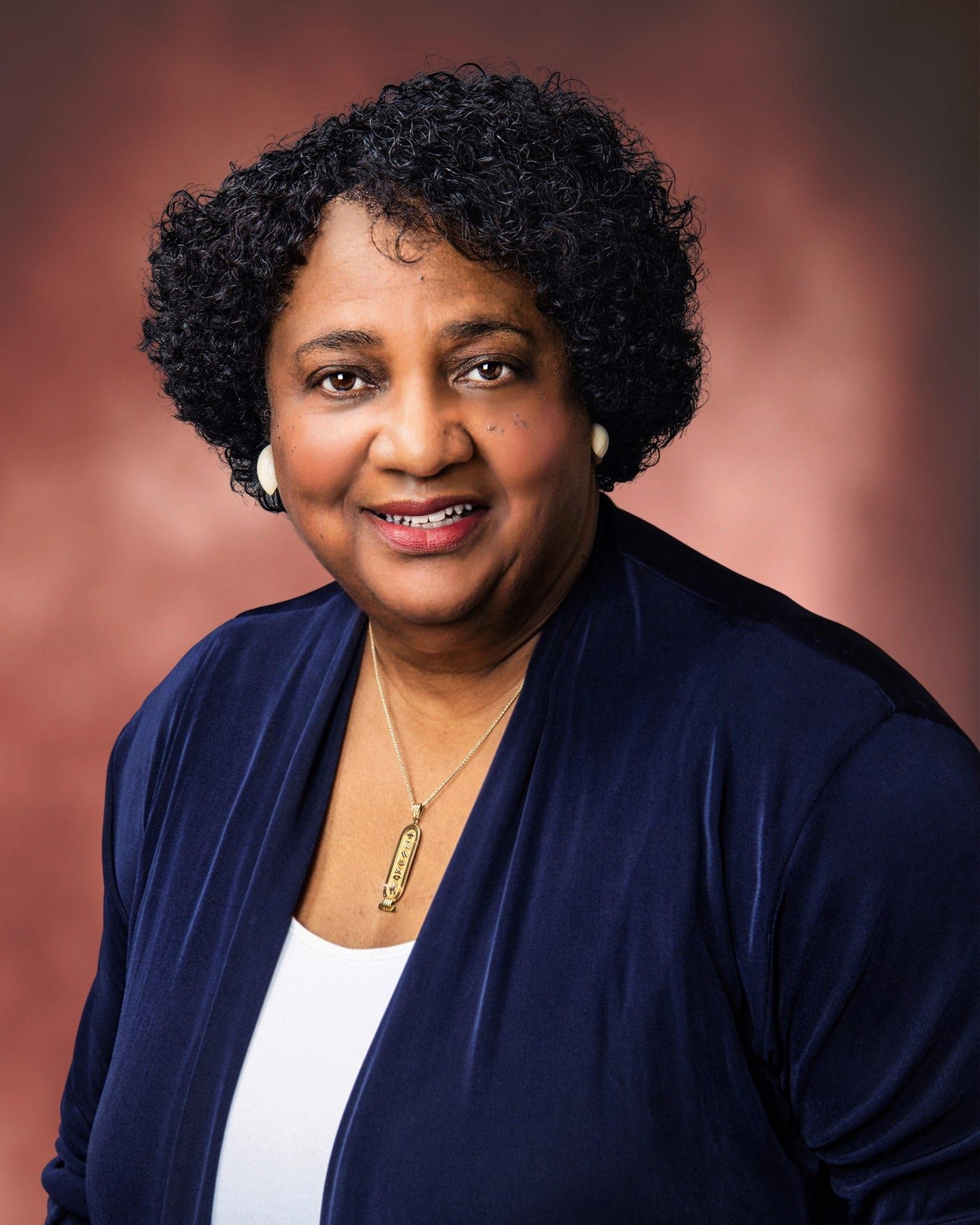
California Secretary of State Shirley Weber, who called the package a shield against "multiple attacks" on the state's elections. (California Secretary of State's office, public domain via Wikimedia Commons.)
The Justice Department's answer: this changes nothing
Bill Essayli, First Assistant U.S. Attorney for the Central District of California, wasn't impressed. "Just so there's no confusion, nothing a state governor signs can prevent @TheJusticeDept from conducting lawful investigations into voter fraud," he posted on X the same day. "We have started indicting election fraud in California. We will continue to investigate, arrest, and prosecute all violations of federal election laws."
That's a supremacy-clause argument, and it's the obvious rebuttal to any state law aimed at federal agents. But Essayli didn't need to reach for constitutional doctrine to make his point. The text of AB 282 already backs him up, in a way nobody covering the signing, including the outlet that carried his response, actually walked through.
What the statute Newsom signed actually says
Read past the press release and into the bill itself, and the felony has a built-in door. Section 18579(c)(1), the part of AB 282 that defines what counts as an illegal "seizure," says the removal of ballots from election officials' custody is a crime "as specified in subdivision (d) of Section 15551... except as provided by Sections 15553 and 19230." That single clause is doing all the work, and it points straight at an existing law that already lets a judge in.
Official record
Assembly Bill 282 (Pellerin), Chapter of the 2025-2026 Regular Session, adding Section 18579 to the California Elections Code. Enrolled text via LegiScan's mirror of the official legislative record; status and history at the California Legislature's own bill tracker.
"Any person who seizes or causes or assists in the seizure of ballots, election records, or certified voting technology... before election results are certified pursuant to Section 15372, is guilty of a felony." — AB 282, Sec. 2, adding Elections Code Section 18579(a)
The cross-referenced Elections Code Section 15551 (unchanged by AB 282) reads, in relevant part: "If a contest or any such criminal prosecution has been commenced... the package containing the voted ballots shall be subject to the order of the court in which the contest or criminal prosecution is pending... In the case of a congressional election contest, the elections official shall hold the ballots of that congressional district in custody subject to the inspection of any committee of the House of Representatives having in charge the investigation of the contest." Text via Justia's codified California Elections Code.
Read together, the new felony does not touch ballots that a court has already asserted authority over in a pending contest or criminal case, and it does not touch a House committee's own investigation of a congressional race. A federal search warrant or grand jury subpoena is, by definition, a court order tied to a criminal matter. AB 282 was written to stop a seizure with no court behind it at all, not to override a judge who has already signed off on one. Newsom's signing statement talks about stopping Trump "at every opportunity." The bill he signed says the opportunity it closes is a narrower one than that.
Section 19230 is about machine testing, not federal agents
The other named exception, Section 19230, requires county elections officials to inspect their voting machines for accuracy at least once every two years under Secretary of State regulations. It's a routine maintenance carve-out so a county can move a machine for its own scheduled testing without accidentally committing a felony against itself. It has nothing to do with law enforcement access, and nothing in the bill's text, its legislative findings, or Newsom's own statement claims otherwise. The one provision doing the actual work against federal interference is 15551, and 15551 already assumes a court is involved.
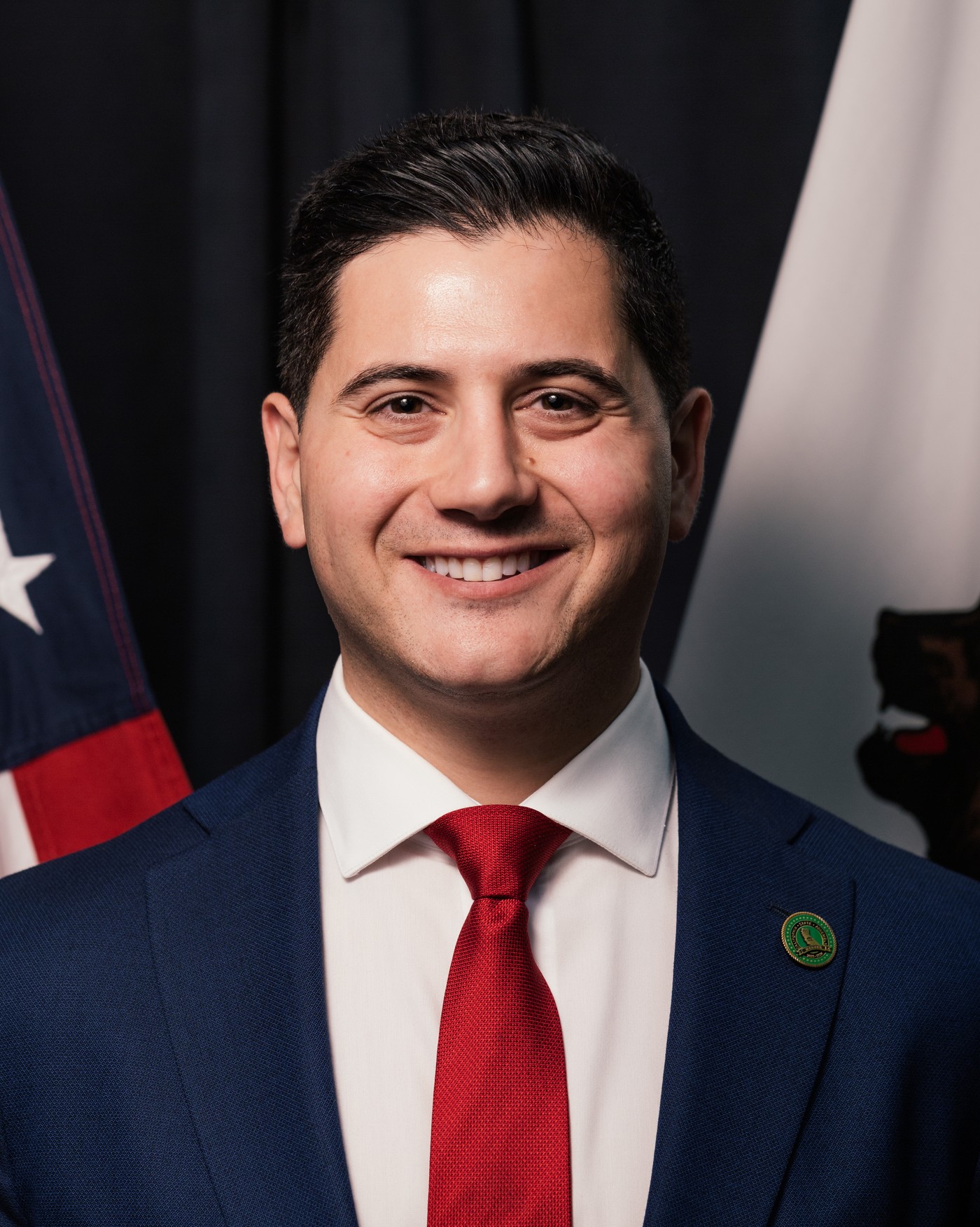
Bill Essayli, First Assistant U.S. Attorney for the Central District of California, who said the new California law "can prevent" nothing about federal voter-fraud investigations. (California State Assembly, public domain via Wikimedia Commons, file photo from his time as an assemblymember.)
Not the first time this year
AB 282 also isn't California's first swing at this. Earlier in 2026, Newsom signed SB 73, which bars law enforcement, including federal agents, from accessing or disrupting voter rolls, election technology or election workers without a court order or an investigation into a specific state election-law violation, and separately makes it a crime to seize ballots from officials' custody, punishable by up to three years and a $1,000 fine. AB 282 raises the penalty ceiling to four years for anyone directing the seizure and folds the same court-order logic into a second, tougher statute. Both laws point the same direction: California is willing to criminalize a seizure with no judicial paper behind it, and neither one claims to override a seizure that does have one.
That distinction matters heading into November. The DOJ's Central District office says it has already brought indictments over California election fraud this year, and HSI's nine-state sweep is still running through mid-October, California included. If federal investigators show up with a warrant, AB 282's own definition of "seizure" says that isn't the crime it created. If they show up without one, the statute now carries real teeth, up to four years for whoever ordered it. Newsom signed a law that raises the cost of a lawless seizure. Whether it changes anything for a lawful one is a question the bill's own text has already answered, whatever the press conference said.