The Justice Department filed a judicial misconduct complaint on Wednesday against Minnesota federal judges Patrick Schiltz and John Tunheim, saying they talked to The New York Times about immigration cases that are still live. Less than 24 hours later, the Supreme Court agreed to decide the exact detention question Tunheim ruled on, which makes it hard to call those cases finished.
What did DOJ actually file?
The complaint went to Chief Judge Steven Colloton of the Eighth Circuit Court of Appeals on September 30. It was hand-delivered and stamped received that day. Acting Deputy Attorney General Trent McCotter and Associate Attorney General Stanley E. Woodward Jr. signed it, and the cover letter says they filed it "at the direction of the Attorney General." The DOJ press release links to the full 8-page complaint.
It names Schiltz, Tunheim, and "Anonymous District Judges." DOJ wants all of them recused from every case involving the Department of Homeland Security. It also asks the Eighth Circuit to open an investigation and to appoint a special committee under Rules 11(a)(4) and 11(f) of the federal judicial-conduct rules.
What did the judges tell the Times?
The Times ran its piece, "Trump's Minnesota Surge Threatened Democracy, Judge Warns," on September 17. According to the complaint, Schiltz sat for a 90-minute interview, and six of the seven judges who held active status in Minnesota last winter also spoke to the paper. The story was about Operation Metro Surge, the immigration enforcement push in Minneapolis, and the wave of habeas petitions that followed it.
The complaint quotes Schiltz saying the administration's actions "created a grave threat to the rule of law," and that without the rule of law "you have either anarchy or you have authoritarianism. You have Russia or you have China or you have North Korea." It quotes him saying the noncompliance with court orders was mostly "due to incompetence" rather than "conscious defiance." Tunheim's quote is shorter: "They weren't arresting, in my view, people who were dangerous criminals on the street."
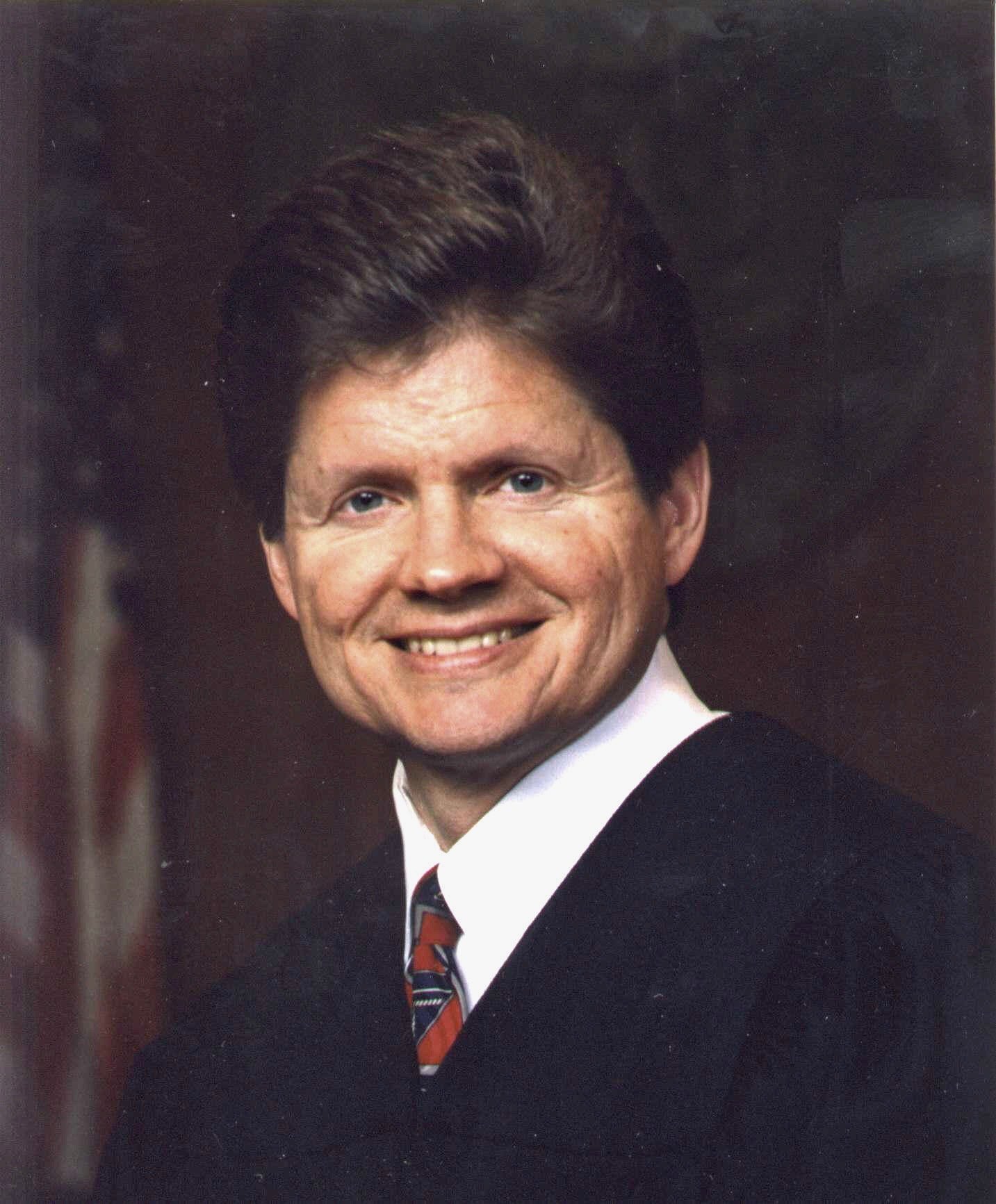
U.S. District Judge John R. Tunheim, a Clinton appointee and former chief judge of the District of Minnesota, in an older official court portrait. (United States Government, via Wikimedia Commons, public domain)
DOJ's main legal hook is Canon 3A(6) of the Code of Conduct for United States Judges, which says a judge "should not make public comment on the merits of a matter pending or impending in any court." The complaint points out that the official commentary on that canon says the ban "continues until the appellate process is complete." It also leans on the Eighth Circuit's own 2009 decision in White v. NFL, which warned that even "seemingly innocuous statements to the press" can create the impression that judges "covet publicity."
Why does Tunheim's quote matter more than Schiltz's?
Schiltz's quotes get the headlines because of the Russia and North Korea line. Tunheim's sentence is tied more closely to a real case. On page 1 of the complaint form, under "Case Number," DOJ lists CV 25-3741. Under "Docket number of any appeal," it lists "Supreme Court No. 26-354." Those two numbers are the case of Joaquin Herrera Avila.
In October 2025 Tunheim granted Avila's habeas petition. He ruled that 8 U.S.C. sec. 1225(b)(2)(A) did not allow mandatory detention of a man who had lived in the country for years, because that man was not "seeking admission." In its March 25 opinion, the Eighth Circuit reversed him. Judge Bobby Shepherd wrote that Avila "illegally entered the United States without inspection or admission in 2006 and again in 2016" and that DHS could hold him without bond. Avila then asked the Supreme Court to step in.
Here is a detail the coverage missed. According to the Supreme Court docket, Avila's petition was docketed on September 17, 2026. That is the same day the Times published Tunheim's comments. While a judge was telling a national newspaper whom ICE was arresting, his own reversed ruling had just been docketed at the Supreme Court.
Official record
Complaint of Judicial Misconduct, U.S. Department of Justice to Chief Judge Steven Colloton, U.S. Court of Appeals for the Eighth Circuit, received September 30, 2026. Re: Hon. Patrick J. Schiltz, Hon. John R. Tunheim, and Anonymous District Judges, District of Minnesota. The page shown is the complaint's discussion of Avila v. Bondi and the pending Supreme Court petition.
"The habeas issue at the core of the article is pending in courts across the country."
U.S. Department of Justice, complaint at page 5 of the letter
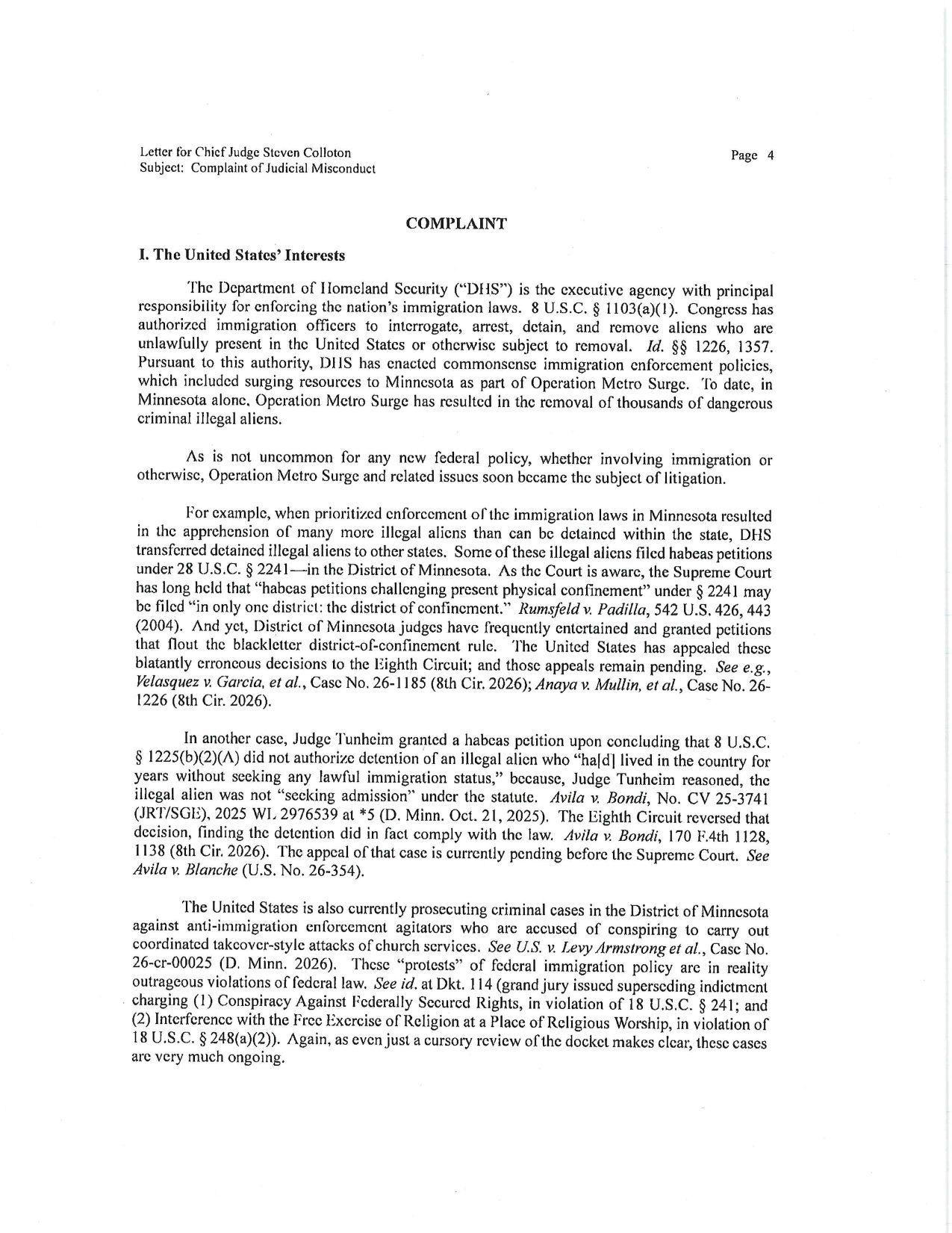
Read or download the full 8-page complaint (PDF) · view the original on justice.gov
What did the Supreme Court do on Thursday?
On October 1 the Court granted certiorari in Rhoney v. Barbosa da Cunha, No. 26-104. That is the government's appeal of a Second Circuit ruling against the mandatory-detention policy. The question presented is one sentence: "Whether 8 U.S.C. 1225(b)(2)(A) mandates the detention pending removal proceedings of aliens who, like respondent, are present in the United States without having been admitted."
That is the same statute and the same question that Tunheim decided in Avila and the Eighth Circuit reversed. The docket shows the government's petition was distributed for the September 28 conference and granted three days later. The Court did not take up Avila's own petition, and the government's response to it isn't due until October 19.
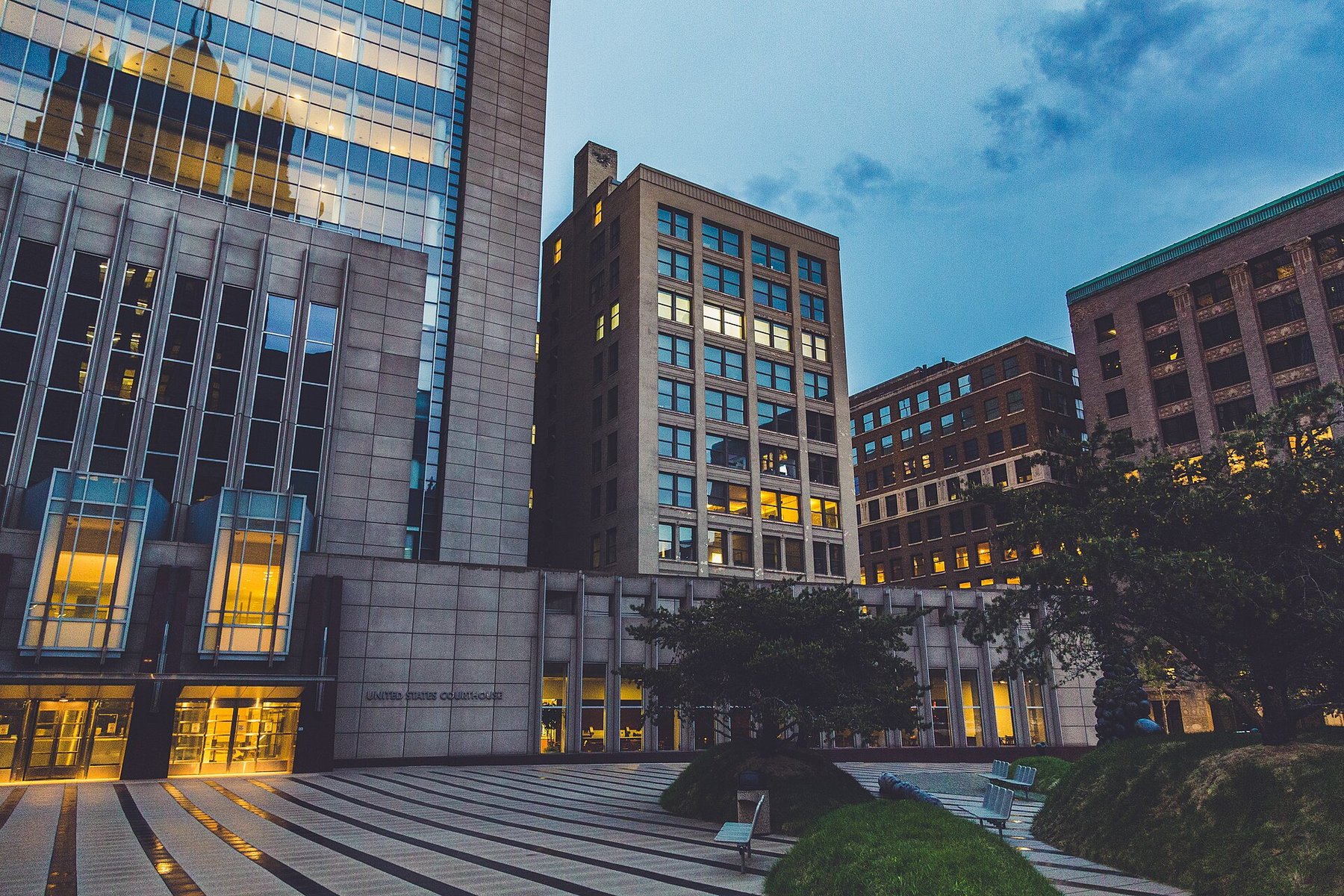
The United States Courthouse in downtown Minneapolis, home of the District of Minnesota, where Metro Surge habeas petitions piled up last winter. (Photo: Tony Webster, via Wikimedia Commons, CC BY 2.0)
The stakes go well beyond Minnesota. CNN reported that immigration detention rose from just under 38,000 at the end of the Biden administration to more than 65,000 this past summer, largely because of this reading of the 1996 law. Most circuits have ruled against the policy. The Fifth and Eighth Circuits have upheld it. The Supreme Court will now settle the split, and Minnesota's judges will be bound by whatever it decides.
Is the court's defense any good?
The District of Minnesota has answered. Court spokeswoman Rebeccah Parks told Axios that "our judges were acting well within the ethical rules that apply to federal judges in speaking to the New York Times." She cited an advisory opinion saying judges may speak on "core judiciary matters such as advocacy for the rule of law and judicial independence." Schiltz gave Bloomberg Law the same answer by email. Axios also reported the Times's statement that Schiltz "declined to discuss ongoing cases."
That defense covers part of what Schiltz said, but most of it doesn't fit Tunheim's quote. Whether the people ICE arrested were dangerous has nothing to do with judicial independence. It is an opinion about the enforcement operation that generated the cases on his docket, including one he decided, lost on appeal, and that just reached the Supreme Court. Even the Times, as quoted in the complaint, said only that the cases in Schiltz's January list of violations had "largely concluded." "Largely" is not the same as finished.
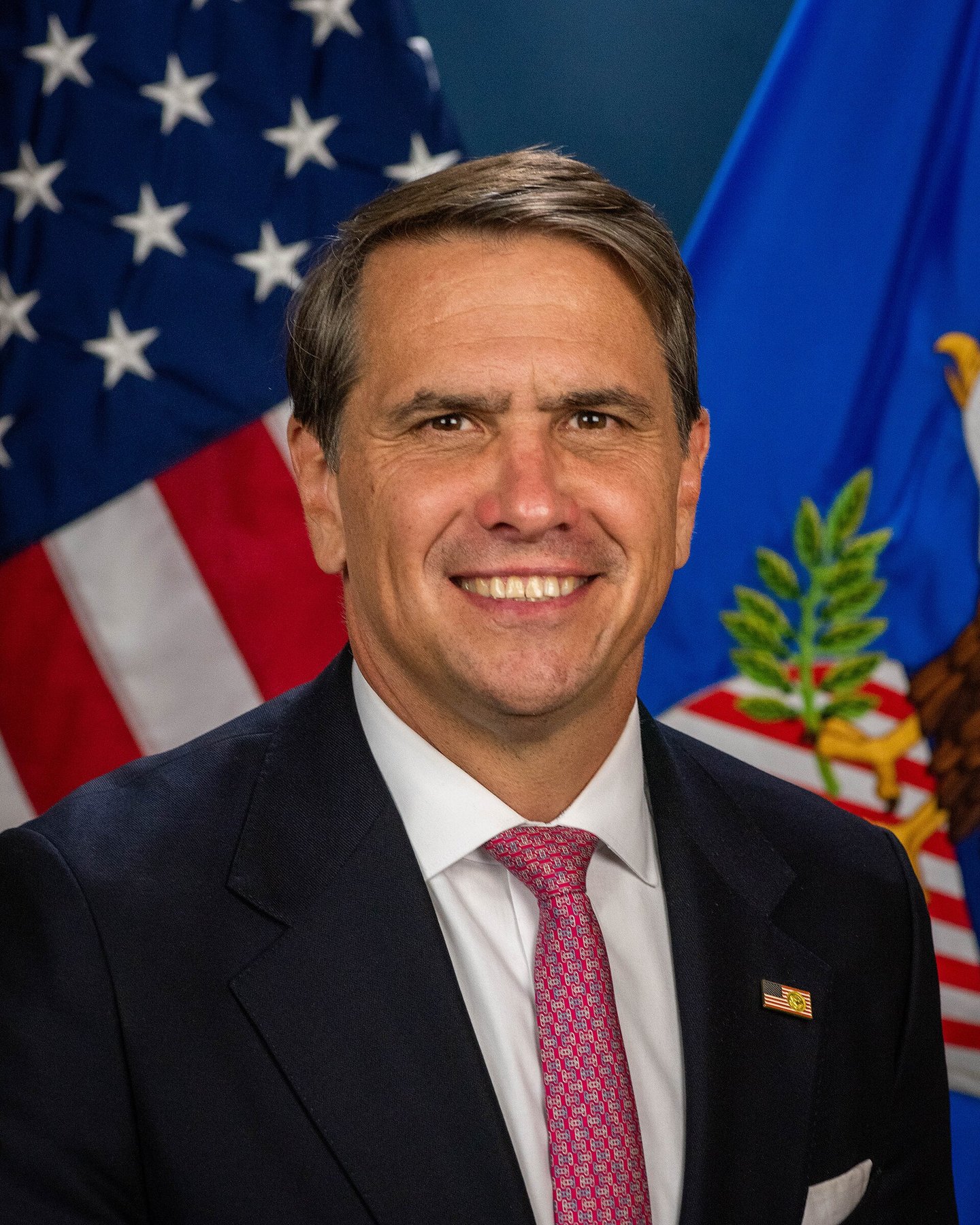
Attorney General Todd Blanche, whose office directed the complaint, in his official 2026 portrait. (Ryan M. Biller, U.S. Department of Justice, via Wikimedia Commons, public domain)
Where does DOJ overreach?
The complaint has weak spots, and they are worth naming. The Eighth Circuit's Avila decision was 2-1. Judge Ralph Erickson, a Trump appointee, dissented and wrote that he "would affirm the judgment of the district court." When DOJ says Tunheim's reading flouted the law, it is skipping over the fact that a Trump-appointed appellate judge read the statute the same way he did.
The track record also cuts against DOJ. Bloomberg Law notes that the department's earlier misconduct complaints against two Washington judges, including Chief Judge James Boasberg, were thrown out by the appeals courts that reviewed them. And DOJ is asking for a lot. The press release counts seven judges who talked to the Times, and the complaint wants every one of them off DHS cases, which would sideline most of the judges who heard Metro Surge litigation.
What happens next?
Chief Judge Colloton reviews the complaint first. He can dismiss it or send it to a special committee, which is what DOJ asked for. Blanche, speaking at a press conference the same day, did not soften his position: "There's an obvious bias against the Department of Homeland Security and immigration authorities in Minnesota," he said, as quoted by Bloomberg Law.
The Supreme Court will be working on its own schedule. Briefing in Barbosa da Cunha starts now, and the ruling will decide whether DHS can keep holding people who entered illegally without bond hearings while their cases are pending. If the Court sides with the government, it will confirm what the Eighth Circuit told Tunheim in March. Either way, the judges who spoke to the Times commented on an issue that the highest court in the country agreed to take up the very next day.
Top photo: U.S. District Judge Patrick J. Schiltz, former chief judge of the District of Minnesota, in his official court portrait. (USdistrictcourt, via Wikimedia Commons, CC BY-SA 4.0)