Missouri Secretary of State Denny Hoskins asked Justice Brett Kavanaugh late Friday night to freeze a unanimous Missouri Supreme Court ruling that pulls the Republican-drawn congressional map out of the November 3 election. Kavanaugh ordered an answer by noon Eastern on Monday, September 7.
The case is Hoskins v. von Glahn, No. 26A304. Kavanaugh is the Circuit Justice for the Eighth Circuit, and the deadline he set for Richard von Glahn falls on a federal holiday, which is not how justices usually treat requests they intend to sit on. The RNC, the NRCC and the Missouri Republican State Committee filed a supporting brief the same day through Jones Day partner John M. Gore.
One House seat is riding on it. Under the 2022 map the state court just reinstated, Missouri is expected to send six Republicans and two Democrats to Washington. Under HB 1, the map passed in a 2025 special session and used in the August primary, the expected split is seven to one.
What the Missouri Supreme Court actually held
The court did not say HB 1 was an unfair gerrymander. It never reached that question. In Von Glahn v. Hoskins, No. SC101805, decided September 3, it held that article III, section 49 of the Missouri Constitution allows a referendum on "any act of the general assembly" and that nothing carves congressional redistricting out of that phrase.
Judge Ginger Gooch, appointed by Republican Gov. Mike Parson in 2023, wrote for the unanimous court sitting en banc. Because the petition was legal, sufficient and timely, she concluded in the 14-page opinion, HB 1 "is not the law and has never been the law," and the 2022 districts remain "in full force and effect for the November 2026 general election."
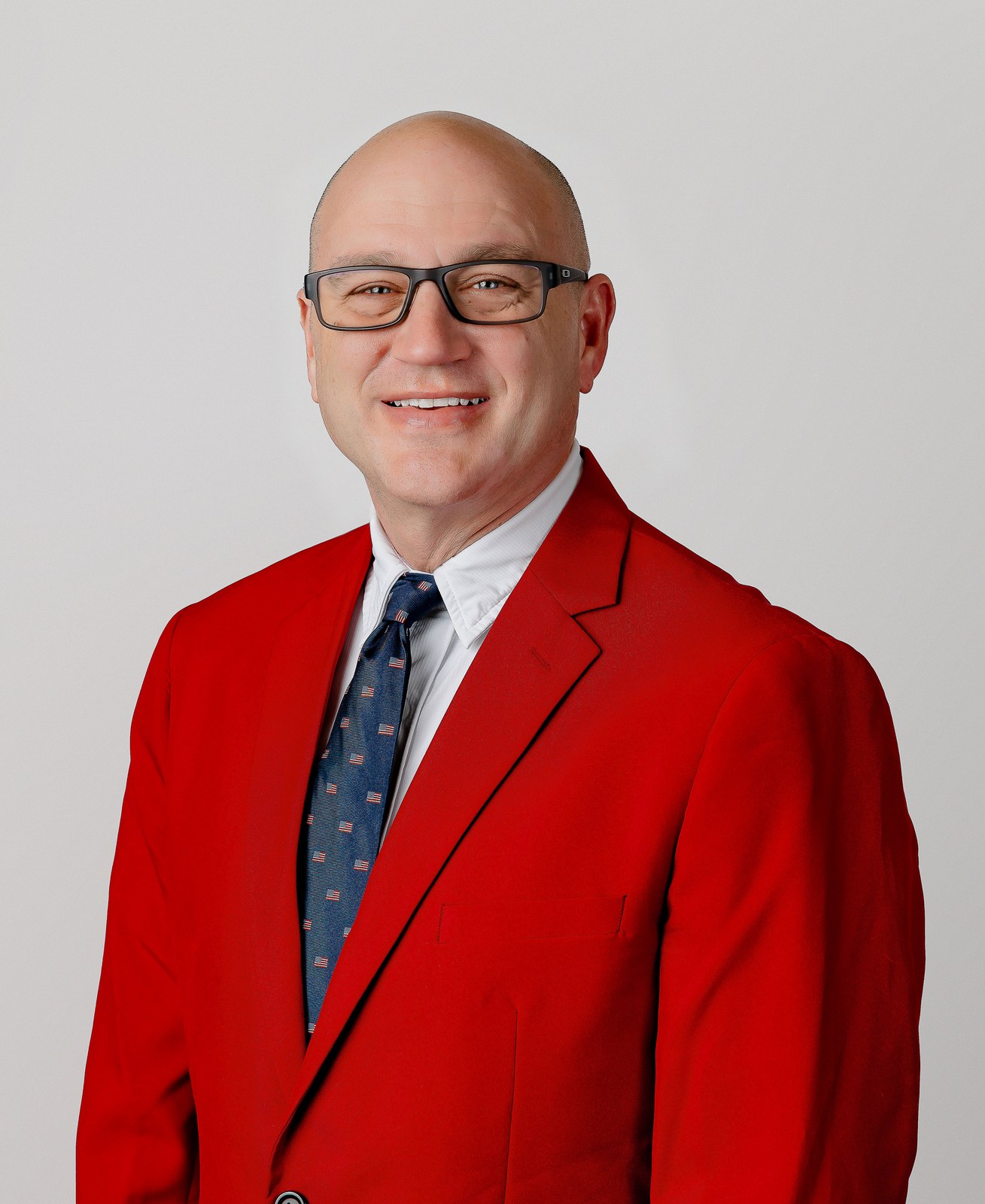
Missouri Secretary of State Denny Hoskins, whose one-sentence certificate of insufficiency triggered the case now sitting with Justice Kavanaugh. (Official portrait, Missouri State Archives, public domain via Wikimedia Commons.)
Missouri says the calendar makes compliance impossible
Solicitor General Louis Capozzi opens with a line built for the emergency docket: "A federal-election-administration disaster is unfolding in Missouri." About 1.2 million Missourians voted in the August 4 primary under the HB 1 lines, and switching back now, the state argues, forces primary winners into districts they never campaigned in.
The hard deadline is federal. UOCAVA, 52 U.S.C. 20302(a)(8), requires absentee ballots to reach military and overseas voters by September 19, and Missouri's own section 115.125 bars courts from ordering ballot changes after Tuesday. Cole County Circuit Judge Daniel R. Green found on August 19 that "changing the maps at this late juncture is not just 'impractical,' it is impossible." The state supreme court set that finding aside in a footnote.
Official record
Emergency Application for Stay and Administrative Stay Pending Appeal, Hoskins v. von Glahn, No. 26A304 (filed Sept. 4, 2026), submitted to Justice Kavanaugh as Circuit Justice for the Eighth Circuit.
"No court in American history has ever given such an extraordinary remedy, which inflicts unprecedented chaos on Missouri." — Missouri Solicitor General Louis J. Capozzi III, application at 1
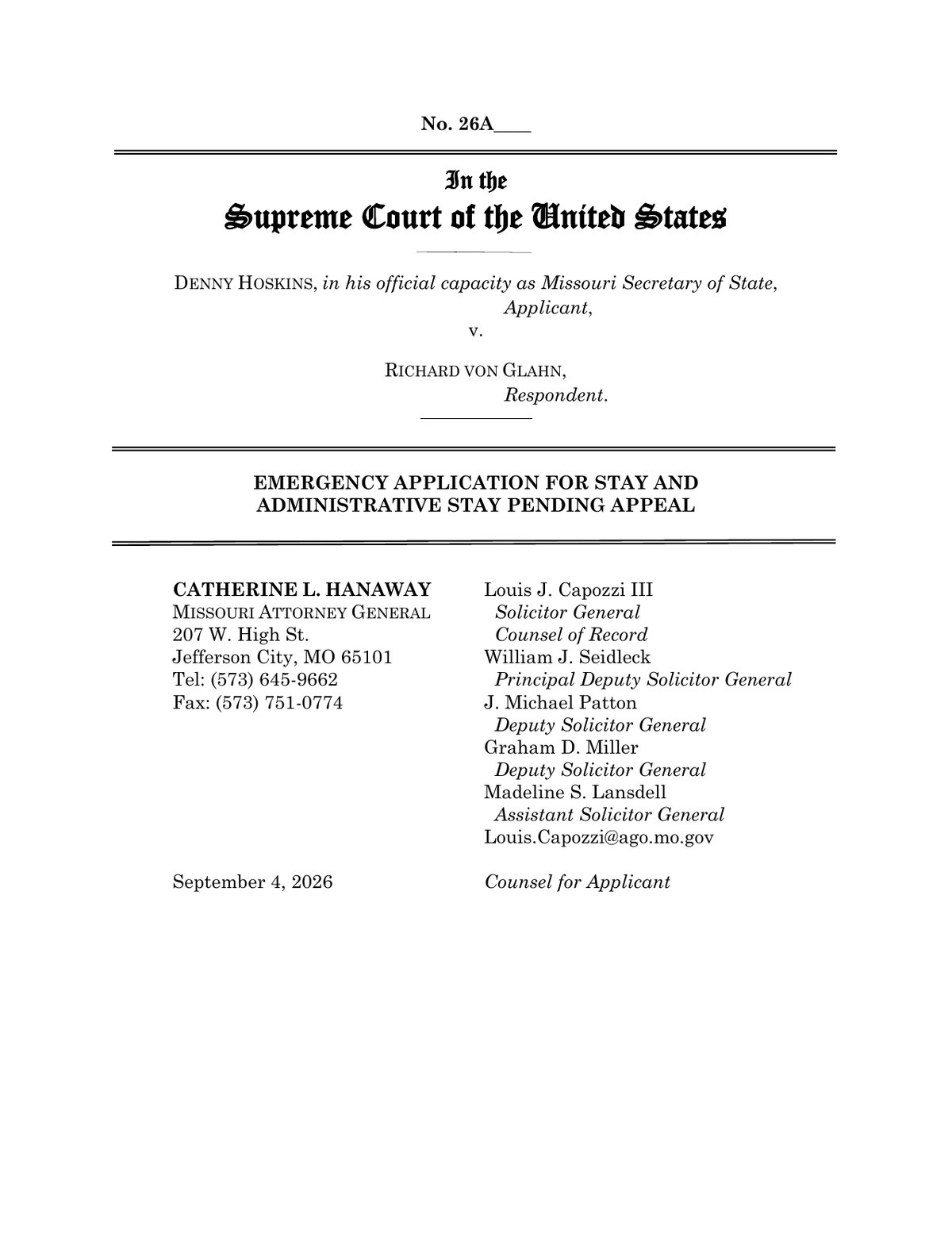
Read or download the full 48-page filing (PDF) on supremecourt.gov, or view the official docket.
The part Republicans did to themselves
Here is the uncomfortable fact for anyone who wants to blame a runaway state court. When People Not Politicians filed more than 300,000 signatures on December 9, Hoskins had a choice under Missouri law: verify by random sample, which would have forced his decision by early February, before candidate filing opened, or verify line by line, which pushed the deadline to August 4. He picked line by line.
Then he used every day of it. The opinion records that Hoskins held a press conference and issued his certificate "about one hour before the statutory deadline of 5:00 p.m. on August 4, 2026," which was primary day. His stated reason ran one sentence: the state constitution does not authorize a referendum on congressional maps.
That sentence is now the whole problem. A certificate must state its reason for insufficiency, the court held, Hoskins stated one, and everything else, including "claimed federal law violations," was "waived and abandoned." The federal arguments Capozzi is pressing on Kavanaugh are arguments the Missouri Supreme Court says were never properly put to it.
A federal judge saw this coming. In December the Eastern District of Missouri dismissed the state's own preemptive Elections Clause suit as unripe, warned that a sufficient petition would freeze the new map and "significantly disrupt the 2026 elections," and noted there was "no apparent reason" for Hoskins to pay for line-by-line verification if he already thought the petition unconstitutional. Gooch quotes both lines back at him, then writes that the secretary's "delay created the confusion, expense, and practical difficulties of which he complains."
University of Oklahoma law professor Michael Smith told the Missouri Independent: "To the extent there is a crisis, it is a crisis of the state's own making."
Kavanaugh's Elections Clause problem is 110 years old
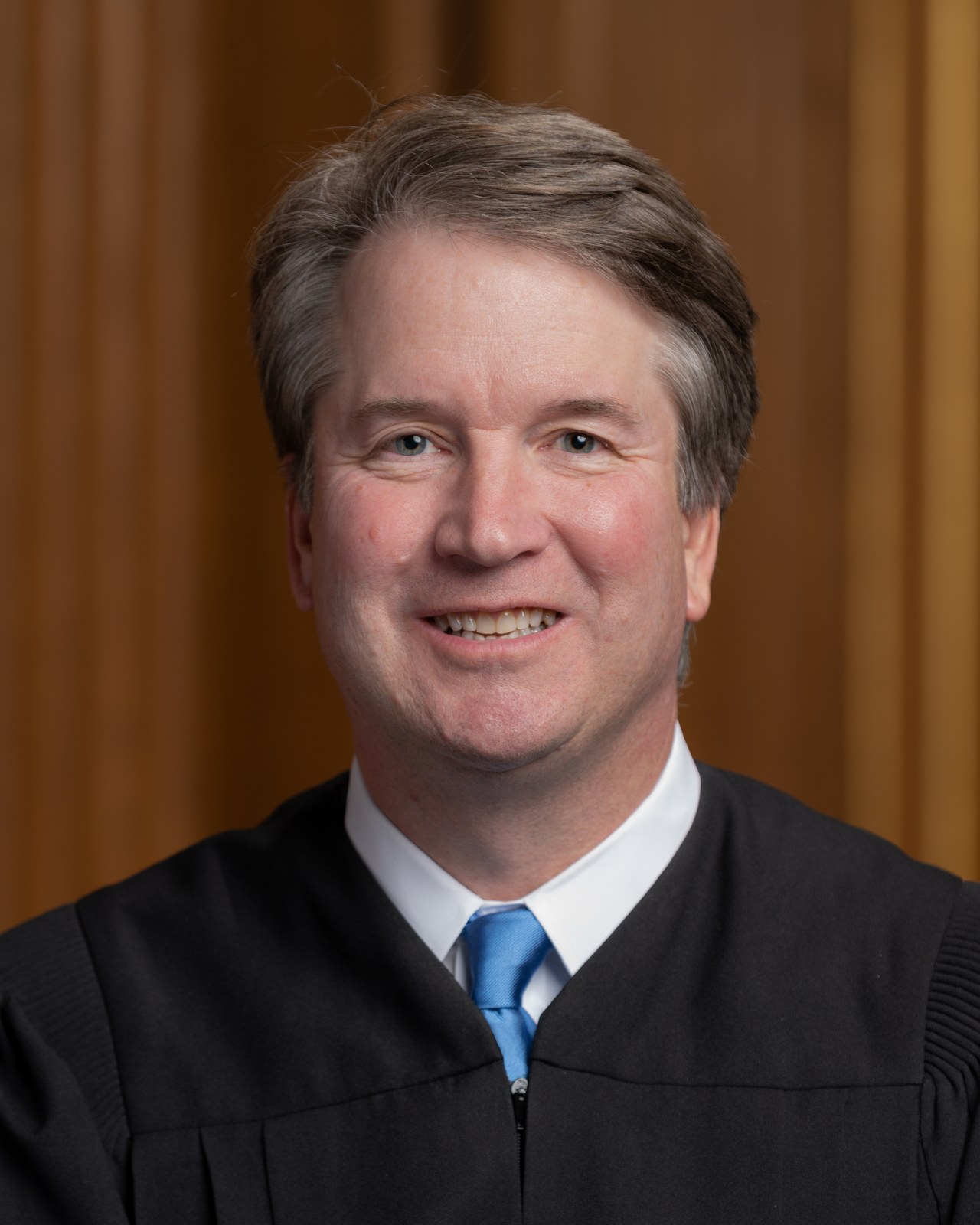
Justice Brett M. Kavanaugh, Circuit Justice for the Eighth Circuit, who set the noon Monday response deadline in No. 26A304. (Collection of the Supreme Court of the United States, public domain.)
In 1916 the Court called it "plainly without substance" to argue that a state referendum on a congressional redistricting law violates the Elections Clause. That case, Ohio ex rel. Davis v. Hildebrandt, is cited by both sides. Moore v. Harper reaffirmed it in 2023, holding that redistricting is "a legislative function, to be performed in accordance with the State's prescriptions for lawmaking, which may include the referendum and the Governor's veto."
Capozzi's answer is narrower than the headlines suggest, and it is not frivolous. He concedes a statewide referendum vote is constitutional. What he disputes is suspension by petition, where roughly 106,000 signatures, about 3.3 percent of registered voters, freeze a map before anyone votes on it. His evidence that Missouri physically cannot comply is thinner: the table of authorities lists three posts on X, two from analyst Nathaniel Rakich and one from Dave Wasserman, cited on the pages arguing irreparable harm and the equities.
A second lawsuit nobody is defending
Rep. Bob Onder and state Sen. Rick Brattin, the GOP nominee in the 5th District, sued Hoskins in federal court for the same relief. On Saturday, Attorney General Catherine Hanaway's office filed on behalf of Hoskins and agreed with the people suing him. Chuck Hatfield, counsel for People Not Politicians, moved to intervene and called the case collusive. Chief District Judge Stephen Clark ordered briefing by noon Monday on whether abstention requires dismissal.
Missouri Republicans passed the map they wanted and won it in the trial court, and they are now on the edge of losing it because their own secretary of state picked the slowest procedure available and then ran the clock to the last hour. Kavanaugh is being asked to rescue the state from a deadline the applicant built. Ballots go to overseas troops on September 19 either way.
Header photograph: Supreme Court of Missouri building, Jefferson City, by Tony Webster, licensed CC BY 2.0 via Wikimedia Commons.