Jack Smith's investigators ended up holding text messages between nearly 50 journalists and their government sources, according to whistleblower records Sen. Chuck Grassley released Tuesday. The networks mostly shrugged. But there is a sharper question nobody asked at the hearing. Merrick Garland signed a rule two weeks before he appointed Smith, and it says prosecutors "must use filter protocols" on exactly this kind of subpoena.
What Grassley Says Smith's Team Collected
On September 29, the morning Smith testified before the Senate Judiciary Committee, Grassley's office published a list of 17 news organizations whose reporters "had their communications swept up by Smith, including messages exchanged with government sources." The list runs from Fox News, CNN, NBC News and CBS News, including 60 Minutes, to the Associated Press, Reuters, NPR, The Wall Street Journal, The Washington Post, The Federalist and the Media Research Center.
The texts did not come from a subpoena aimed at any reporter. Fox News Digital reported that they came from a June 2, 2023 subpoena to the National Archives for records tied to 87 phones used in Trump's first White House. The Archives produced the records on August 21, 2023. That same day, according to records Grassley and Sen. Ron Johnson have released, assistant special counsel Thomas Windom told prosecutors and FBI personnel to download them.
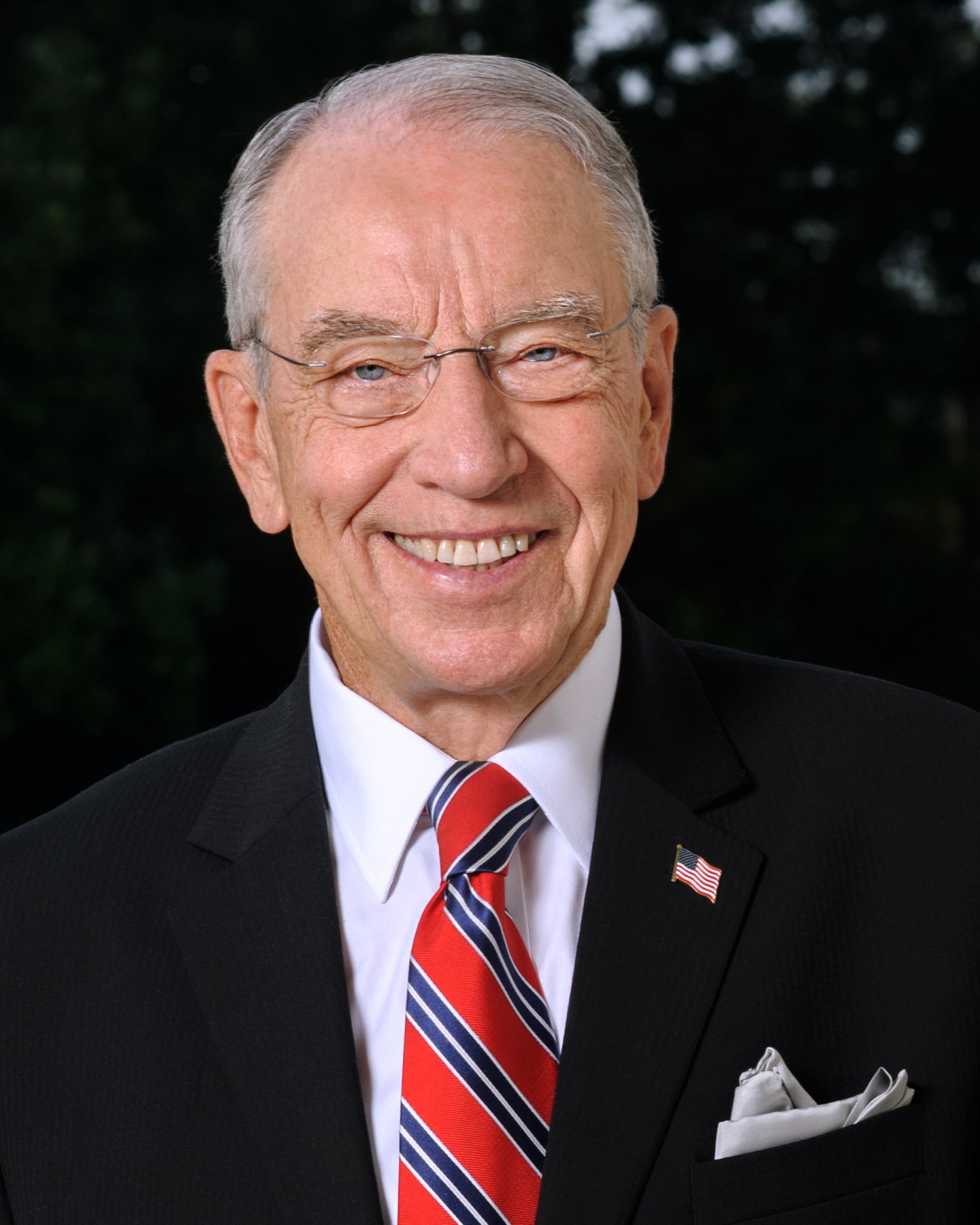
Sen. Chuck Grassley (R-Iowa), chairman of the Senate Judiciary Committee, who released the whistleblower records on the journalists' messages. (Office of Sen. Chuck Grassley official photo, public domain)
A Grassley spokesperson told Fox the committee knows which journalists appear in the records but will not release their names, citing privacy. Grassley's disclosure does not claim any reporter was a target. The reporters were on the other end of the White House officials' phones.
Garland Wrote a Rule for This, Two Weeks Before He Appointed Smith
On October 26, 2022, Attorney General Garland signed a final rule rewriting the Justice Department's news media regulation, 28 CFR 50.10. It was published in the Federal Register on November 3, 2022. Garland named Smith special counsel on November 18, fifteen days later.
The rule's headline promise was that DOJ would no longer use subpoenas to get reporters' records, outside narrow exceptions. Paragraph (o), on page 16, goes further. It does not only cover subpoenas aimed at journalists. It covers any subpoena that might catch their newsgathering by accident.
Official record
Department of Justice final rule, "Policy Regarding Obtaining Information From or Records of Members of the News Media," FR Doc. 2022-23679, AG Order No. 5524-2022, signed by Attorney General Merrick B. Garland, October 26, 2022 (18 pages).
"Members of the Department must use filter protocols when the compulsory legal process relates to a member of the news media acting within the scope of newsgathering or the compulsory legal process could potentially encompass newsgathering-related materials that are unrelated to the conduct under investigation."
28 CFR 50.10(o)(3), page 16
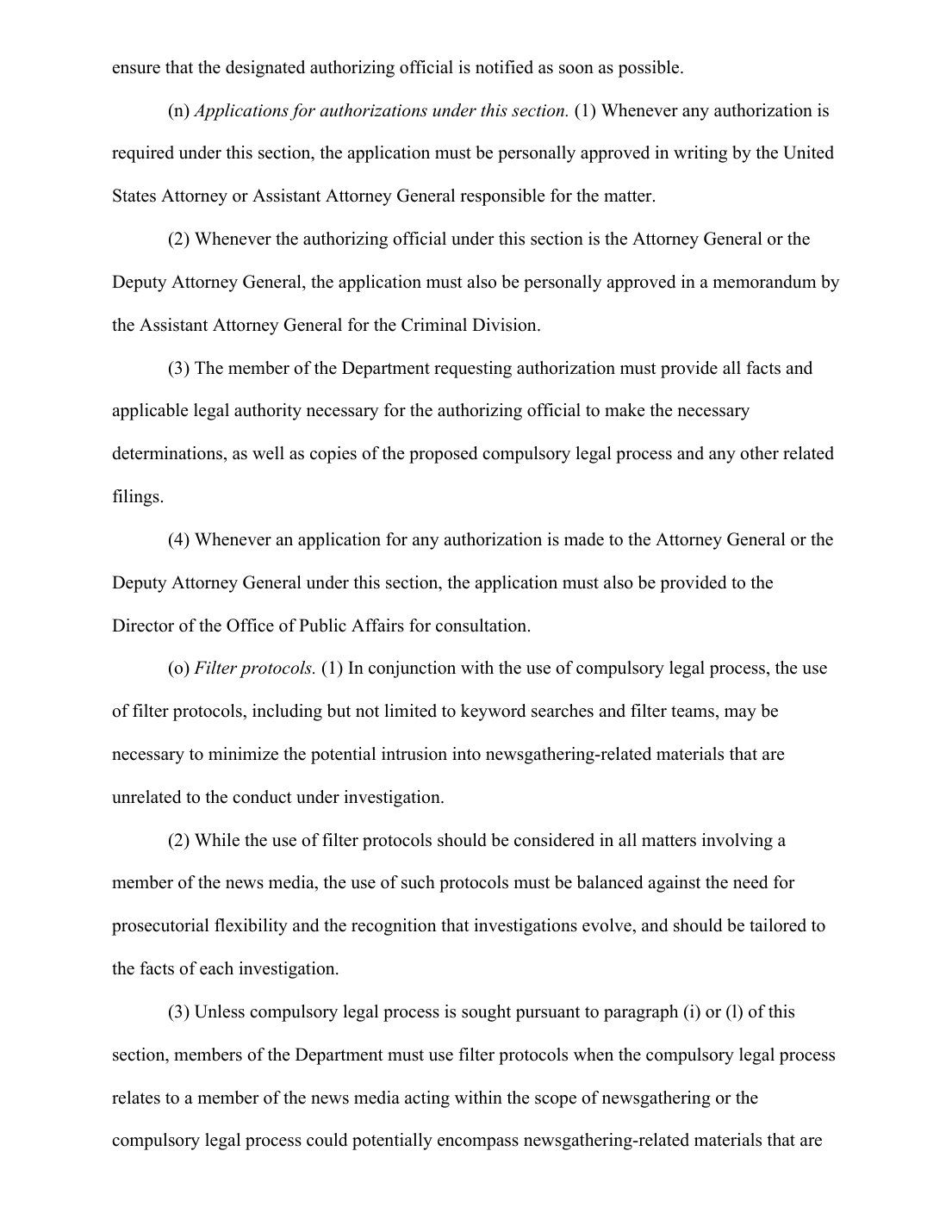
Read or download the full 18-page rule (PDF) · Federal Register public inspection copy
The only way out is narrow. The Attorney General or Deputy Attorney General "may waive the use of filter protocols only upon an express finding that there is a de minimis risk" that unrelated newsgathering material would be swept in. A subpoena for the texts of 87 White House phones, the people who deal with the press corps every day, is hard to describe as a de minimis risk.
Smith was bound by that rule. The special counsel regulation, 28 CFR 600.7(a), says a special counsel "shall comply with the rules, regulations, procedures, practices and policies of the Department of Justice."
So Was There a Filter, or a Waiver? Nobody Has Said
This is the gap in the record. In May, Grassley and Johnson asked the Justice Department "what procedures and protocols, if any, Smith and his team used to filter privileged or potentially privileged materials," Fox reported. That letter was about privilege, and it came before anyone knew reporters were in the production.
At Tuesday's hearing, Grassley said the content of messages from 44 members of Congress in the same Archives production "was shared with the case agents and prosecutors before it went through any filter review for privileged information," according to the committee's transcript. If that account holds, the reporters' texts arrived in the same download on the same day.
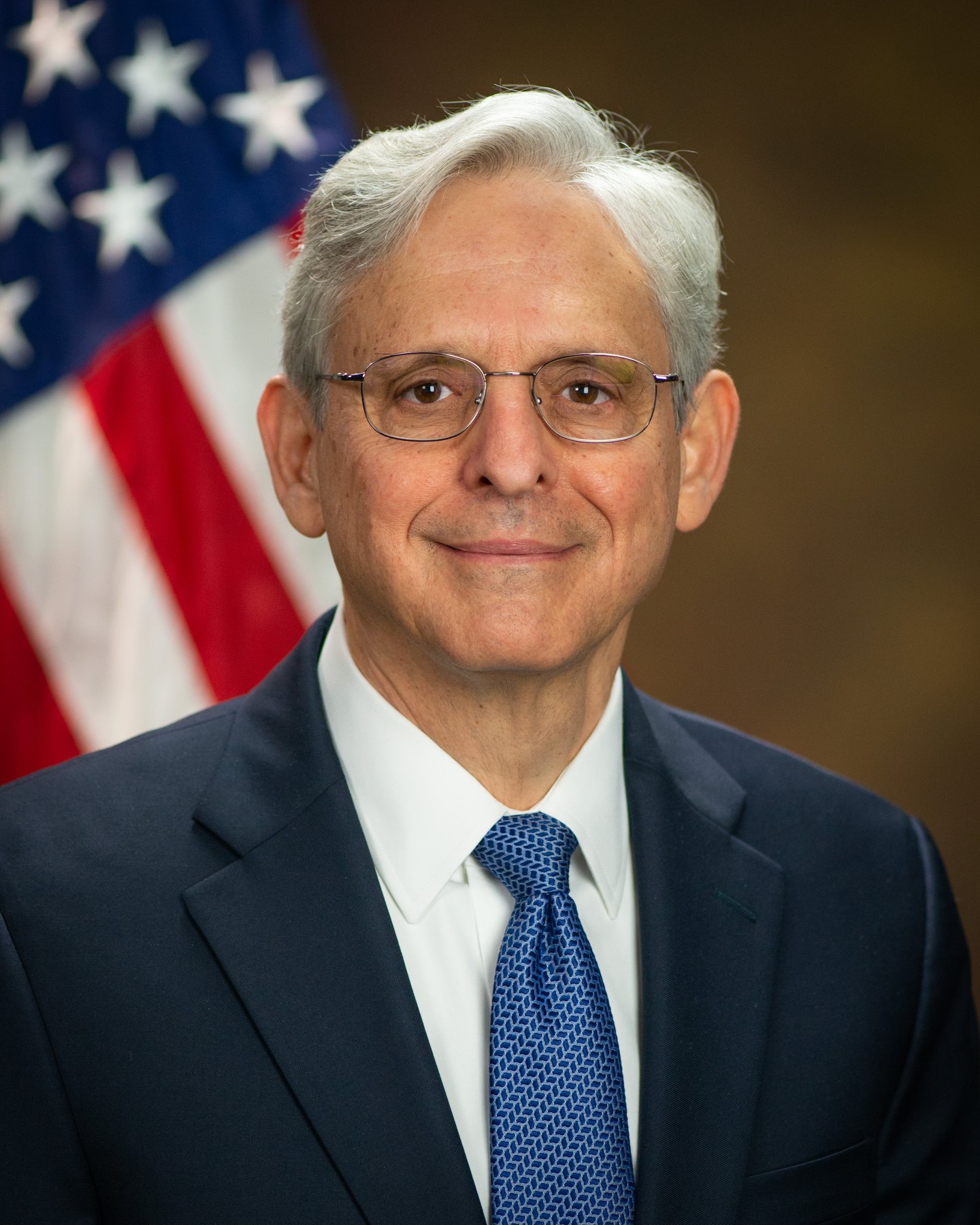
Former Attorney General Merrick Garland, who signed the 2022 news media rule and appointed Jack Smith fifteen days after it was published. (U.S. Department of Justice official portrait, public domain)
Smith told senators his office worked within DOJ policy on other steps, from nondisclosure orders to consulting the Public Integrity Section on Speech or Debate issues. Nothing in the coverage we reviewed shows anyone asking him about a news media filter, and we found no public record of a Garland or Lisa Monaco waiver. Either a filter team screened those texts, or a top official signed a finding that the risk was tiny, or the rule was skipped. DOJ holds the paper that answers which one.
How the Networks Handled It
The Media Research Center's review of the evening newscasts found that ABC's World News Tonight gave the hearing 32 seconds, focused on Smith standing by his cases. CBS Evening News ran a 10-second ticker during a commercial break. NBC Nightly News ran nothing, even though NBC News is on Grassley's list.
The written coverage tells a similar story. ABC News' full web story on the hearing covers donor records, Republicans' phone records and Sen. Eric Schmitt's Hawks-versus-Hawkeyes stumble, but never mentions journalists. Just the News noted that the AP's own write-up led with Smith "forcefully" defending his work, though AP reporters are on the list too.
Credit where it is due. CBS News' live blog did post an item at 9:28 a.m. that Grassley "said Smith obtained communications from reporters at multiple outlets," naming CBS among them. That item did not become a broadcast segment that night.
Compare That to the White House Press Ban
When President Trump pulled White House access for CNN, MS NOW and Politico on September 18, the same three newscasts gave it 2 minutes 15 seconds on ABC, 3 minutes 1 second on CBS and 2 minutes 7 seconds on NBC on the first night alone, MRC counted. That story ran for a week and went to federal court.
"What is a bigger threat to freedom of the press: revoking special access to the White House or weaponizing the government to spy on journalists," MRC chief executive David Bozell asked in comments to Just the News. Grassley put it more bluntly at the hearing, asking what "partisan media" would say about "this disgraceful government overreach."
You don't have to accept the word "spy" to see the double standard. A newsroom that calls a lost briefing-room seat a First Amendment emergency should at least want to know whether a prosecutor's team read its reporters' texts with their sources, and whether the Justice Department's own safeguard was used.
The Fair Caveats
None of the reporters was a target, as far as anything released shows. The messages were a byproduct of a subpoena for officials' phones, and Smith has defended his subpoenas as necessary to investigate January 6. Paragraph (t) of Garland's rule also says it "does not, create any right or benefit" enforceable in court, so the remedy for a violation is discipline inside DOJ, not a lawsuit.
There is irony on the other side too. Attorney General Pam Bondi rescinded Garland's news media policy in April 2025 so DOJ could again seek reporters' records in leak cases, a move press-freedom groups attacked. But the rule that mattered in 2023 was Garland's, and Smith answered to Garland.
The One Document That Would Settle It
This does not need another hearing. If Smith's office ran a filter team on the Archives production, there is a protocol on paper. If it got a waiver, there is a signed finding by Garland or Monaco. Grassley's committee, which has pried loose everything from donor checks to SCIF memos, can ask for either one by name.
The journalists on that list have a stake in the answer, and so do their editors. Whether their own newsrooms will ask is a separate question, and so far the evening news has given its answer.