A New Jersey school district lets the Robotics Team bring in adult mentors. It bars them from the Fellowship of Christian Athletes, because that club is religious. FCA sued in federal court on Aug. 11, asked for emergency relief three days later, and on Friday a judge handed the Hopewell Valley Regional School District two more weeks to answer. Classes start Sept. 1.
What Hopewell Valley actually did
Two student FCA chapters meet in the district, called huddles. One at Hopewell Valley Central High School since 2010, one at Timberlane Middle School since 2024. Students run them at lunch. They pray, read the Bible, and eat pizza. For years, adult FCA staff and background-checked volunteers came and sat with them.
Before the 2025-26 school year, that stopped. According to the 54-page complaint, the Timberlane principal told FCA area director Carolyn McDonough that for "religious clubs," in his bolded words, "no outside individuals are permitted," because "the law stipulates that the students must run them." He did not say which law.
Nothing changed for anyone else. The filing lists the Robotics Team, which recruits "adult mentors" to help students build robots and run the club's finances, plus the Community Connections Club, the Youth Environmental Society, Girls Who Program, GirlTalk, and SHADES, all of which host outside adults. The district's own volunteer handbook, quoted in the complaint, says students "benefit from the knowledge, personalization, and caring role models that volunteers provide." Central High alone lists more than 80 clubs.
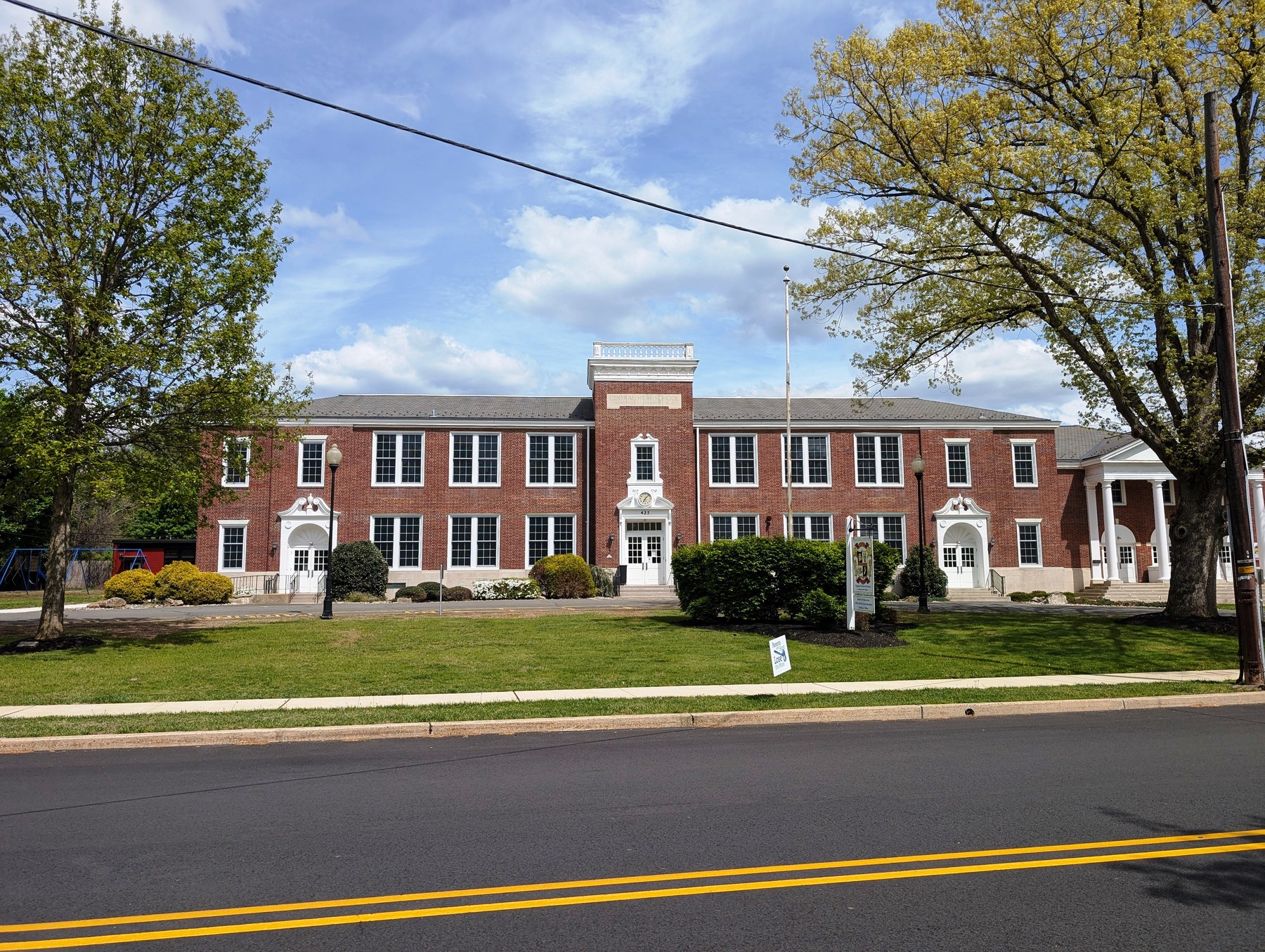
The Hopewell Valley Regional School District offices in Pennington, New Jersey, photographed in May 2026. The board of education and Superintendent Rosetta Treece are named defendants. (Photo by Wikimedia Commons user Mr. Matté, CC BY-SA 4.0)
One letter from an atheist group, and the district folded in eight business days
On March 13, 2025, the Freedom From Religion Foundation wrote the district claiming outside adults were being allowed in to lead the Timberlane FCA chapter, as the Christian Post also reported. FFRF asked the district to "investigate and ensure that outside adults are not permitted to regularly lead, attend, or participate in student religious clubs."
Eight business days later, the district's outside counsel wrote back that Superintendent Rosetta Treece was "directing the Timberlane Middle School Principal to immediately stop the direct involvement of any outside adults" in FCA meetings. FCA says in its complaint that it is not aware any investigation ever happened. Nobody from the district, the filing says, attended a huddle or asked the students or the volunteers what actually goes on in one.
Then the rule got wider than FFRF had asked for. It went from barring outside adults from leading to barring outside individuals entirely, at any religious club, in any school in the district. The faculty advisor at Central High, Susan Hart, put it plainly in an email quoted in the complaint: the new rule "singles out religious groups only." When FCA's state director pressed for an explanation in November 2025, Treece replied, "I am complying to the expectations for religious clubs. The district has given our position."
Judge Robert Kirsch just gave the district 14 more days
FCA filed an emergency motion for an order to show cause on Aug. 14, asking Judge Robert Kirsch to restore equal access before the new school year. The district's response was due Aug. 25. On Aug. 20 its lawyers asked for 14 extra days, saying counsel "needs to secure additional information from Board representatives" and noting that district clubs "do not begin holding meetings until a few weeks into the school year."
Becket, representing FCA, offered a deal: it would agree to the two-week delay if the district let FCA host volunteers on the same terms as secular clubs while the motion was pending. The district said no. Becket then opposed the extension in a letter filed Aug. 21, arguing that the same law firm has advised the district on this exact question for over a year and that the new schedule pushes the motion date to Sept. 21, "a week after when FCA clubs traditionally begin meeting."
Kirsch sided with the district that same day, and he was not gentle about the timing.
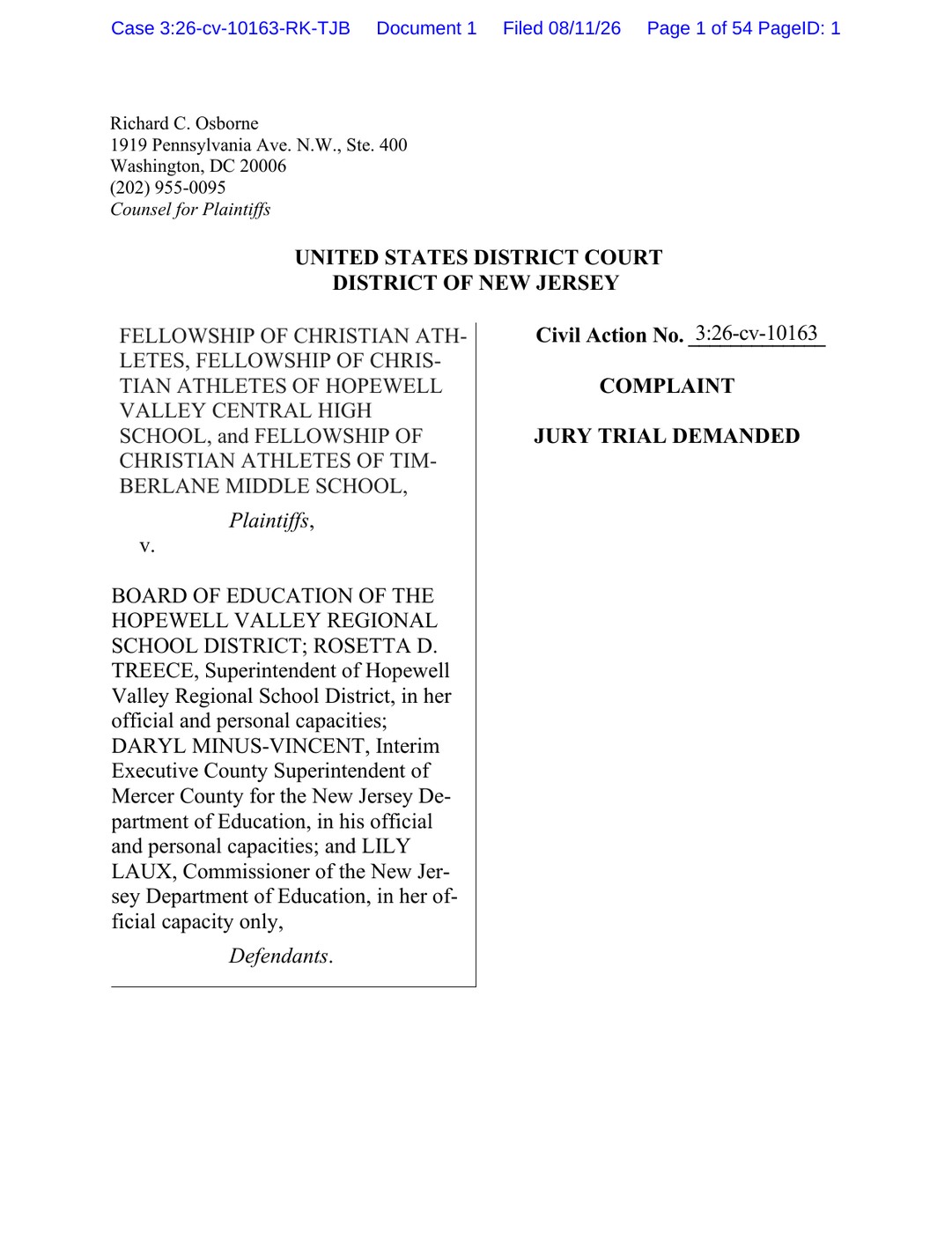
Under the new schedule the district answers the emergency motion on Sept. 8, FCA replies Sept. 14, and the motion goes to the judge Sept. 21. Per the docket, the clerk's office has noted the motion will be decided on the papers with no court appearance required. The district's answer to the underlying complaint is separately due Sept. 3.
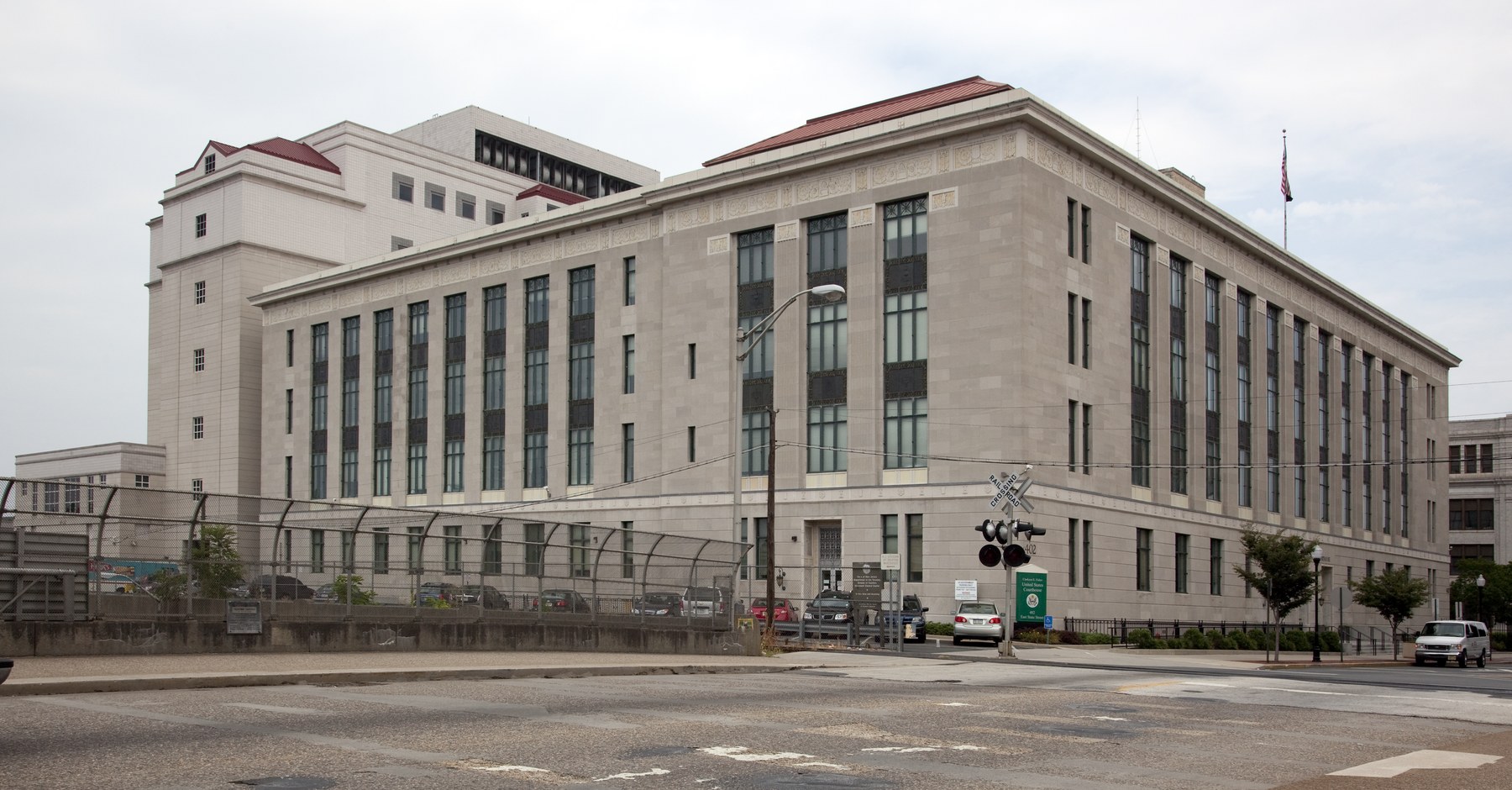
The Clarkson S. Fisher Federal Building and U.S. Courthouse in Trenton, where Judge Robert Kirsch sits. (Photo by Carol M. Highsmith, Library of Congress, public domain)
FFRF's answer is not frivolous, and pretending otherwise would be dishonest
Becket's public framing is blunt. "An atheist advocacy group didn't like that Christian kids were choosing to learn about faith, life, and sports from trusted mentors," senior counsel Joseph Davis said when the suit was filed, in Becket's announcement.
FFRF has a real answer, and it is worth stating at full strength. The Equal Access Act, the very statute FCA is suing under, contains this line at 20 U.S.C. 4071(c)(5): "nonschool persons may not direct, conduct, control, or regularly attend activities of student groups." FFRF says that is all it ever asked the district to enforce. "We never asked the district to ban volunteers," FFRF legal counsel Chris Line told local outlet MercerMe. "We asked them to investigate whether outside adults were directing or regularly participating in the meetings." Co-president Annie Laurie Gaylor called Becket's version "a convenient culture war trope," and said in an Aug. 18 statement that "FFRF has never sought to prevent Christian students from forming their own religious clubs."
Here is the problem with that defense. Read the whole sentence the clause sits in. Subsection (c) says a school is "deemed to offer a fair opportunity" if it "uniformly provides" those five conditions. Uniformly. It is a safe harbor a school earns by applying one rule to every club, not a permission slip to write a rule that applies to one kind of club. As FCA's brief puts it, that language "on its face offers no comfort for a school that wants to forbid nonschool persons from regularly attending the meetings of religious clubs only."
And Line concedes the part that matters most. Asked whether the district went further than FFRF requested, he said: "Whether they overcorrected or not, that's on the district." That is the whole case. Hopewell Valley did not adopt a uniform no-outside-adults rule. It adopted a religious-clubs-only rule and left the Robotics Team alone.
What the district itself says
Board attorney Paul Green addressed the suit at the Aug. 17 board meeting and declined to argue the merits in public. "The district certainly does not discriminate or look to discriminate against anyone based on religion," he said, per MercerMe's account. He also flagged the argument the district will presumably make in court: "There are countervailing constitutional issues with respect to whether the clubs are truly student-run." Treece declined to discuss the case, citing the pending litigation.
That is a fair thing for a school lawyer to say and a fair thing to test in court. It is also worth noting what the district has not said. It has not identified the law it said required this. It has not disputed that secular clubs still host outside adults. And when Becket offered to trade the delay for equal treatment in the meantime, the district turned it down.
Nothing has been decided, and this is the part that gets overstated
No court has ruled that Hopewell Valley broke the law. What exists right now is a complaint, an emergency motion, and a scheduling order. Every factual allegation above about what principals wrote, what Treece said, and what the volunteer handbook promises comes from FCA's own filing and has not been tested by cross-examination or answered on the record. The district gets to contest all of it, and it says it will.
What FCA is asking for is narrow. Not prayer over the PA system, not a teacher leading devotions, not curriculum. Nine counts under the First Amendment, the Equal Access Act, and New Jersey's Law Against Discrimination, all aimed at one thing: letting a student club invite a grown-up to lunch on the same terms as the Robotics Team. Carolyn McDonough, the volunteer at the center of it, graduated from Central High and was in the first FCA huddle there as a student. "I pray the court will let me continue that ministry," she said in Becket's announcement of the suit.
The calendar is doing real work here. Kirsch is right that FCA sat on this for a year before filing, and a judge is entitled to notice that. He is also, by granting the extension, letting the ban run into a second consecutive school year before anyone rules on whether it is lawful. Both of those things are true at once. Sept. 21 is the date to watch.