

The Justice Department's Alaska lawsuit, filed Oct. 22, is being described as an effort to block the state's Senate result if Republican Dan Sullivan loses. The 14-page complaint asks for something narrower on paper: a hold on certification of any result that meets a two-part test, until an "investigation" the document never describes. Its own primary numbers also show how large a gap that test would have to bridge.
What does the complaint ask the judge to do?
The case is United States v. State of Alaska, No. 3:26-cv-00376-SLG, in the District of Alaska. The defendants are the state, Division of Elections Director Carol Beecher, the precinct election boards and the State Ballot Counting Review Board. There is one count.
Paragraph 42 sets the test. A result "may be impacted by voter confusion" if Sen. Sullivan does not win, and if "had all votes cast for Daniel J. Sullivan been cast instead for Senator Sullivan and Alaska's rank-choice process played out accordingly, Senator Sullivan would have won." Paragraphs 43 and 44 ask for a declaration that certifying such a result would be unlawful, and an order barring certification "pending an investigation." The complaint does not say who would run that investigation or how long it would take.
Where does the legal theory come from?
Count One rests on the National Voter Registration Act. The complaint cites the law's statement of purposes, which includes "to protect the integrity of the electoral process," in 52 U.S.C. 20501(b)(3). It pairs that with Bullock v. Carter, a 1972 Supreme Court case about ballot access.
The document is candid about the stretch. Paragraph 39 says: "To be sure, Bullock involved including or excluding candidates from the ballot." It also concedes that a state trial court and then the Alaska Supreme Court already ruled that Daniel J. Sullivan Jr. belongs on the ballot, over the Division of Elections' own June 15 finding that his filing was meant "to confuse or mislead." The complaint says the Alaska Supreme Court's full opinion has not yet issued.
Did Trump order the suit?
He says so. Asked Friday, Trump said, "I'm the one that said, 'do it,'" according to CBS News. Days earlier he had posted that his administration was looking at "powerful legal options to remove the fraudulent Daniel J. Sullivan Jr. from the Ballot."
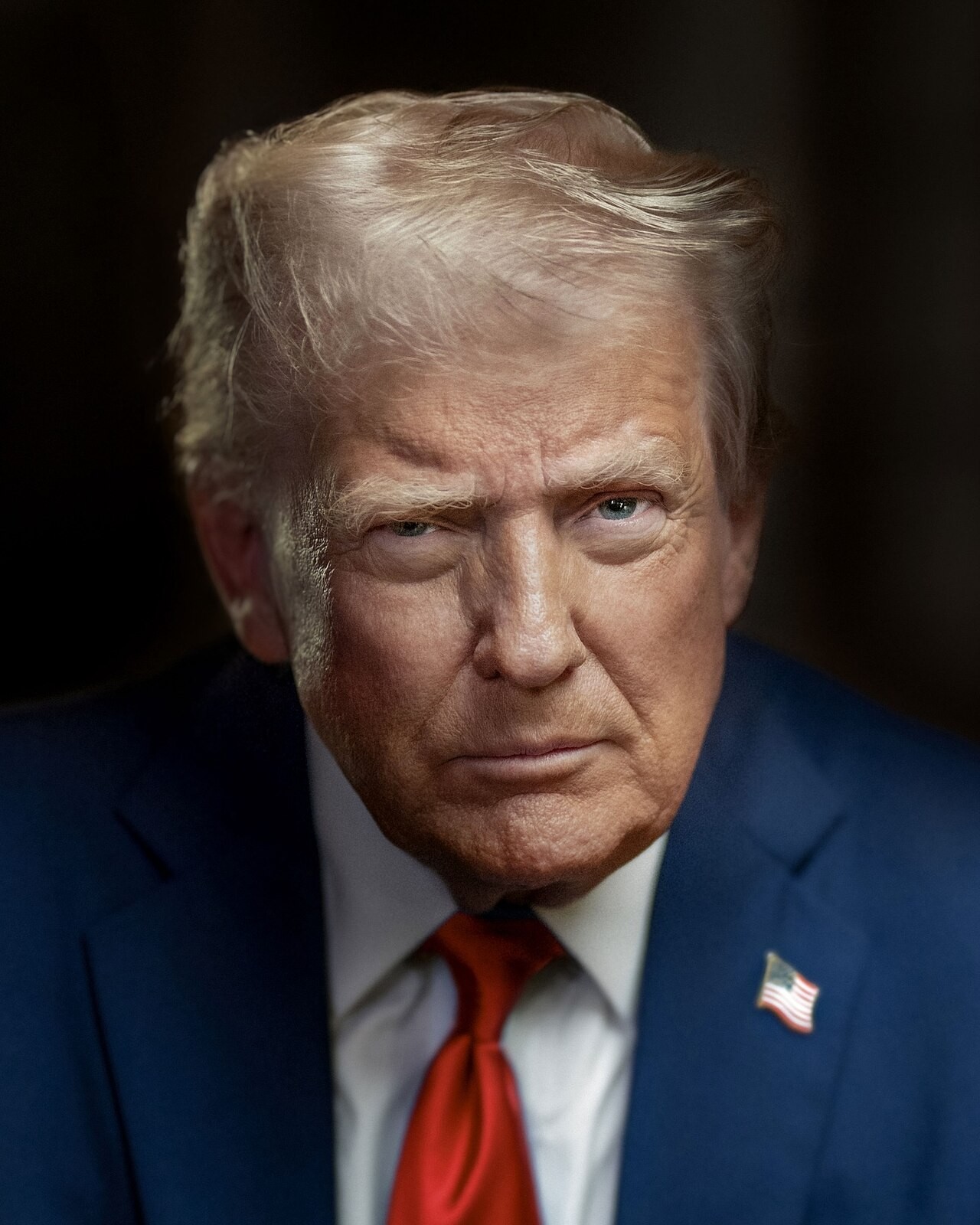
President Donald Trump, official portrait, 2025. Photo: White House via Wikimedia Commons, public domain.
The ballot itself is part of the dispute. The sample ballot lists "Sullivan, Dan S." as the incumbent and a registered Republican, and "Sullivan, Daniel J. Jr." with no party affiliation. The complaint says Daniel J. Sullivan requested the Republican label and had never been a Republican in Alaska before.
Official record
United States v. State of Alaska et al., No. 3:26-cv-00376-SLG (D. Alaska), Complaint for Declaratory and Injunctive Relief, Doc. 1, filed Oct. 22, 2026, signed by Associate Attorney General Stanley E. Woodward Jr. Page 13 contains the test and the requested relief.
"An election result may be impacted by voter confusion if: (1) Senator Sullivan does not win the election; and (2) had all votes cast for Daniel J. Sullivan been cast instead for Senator Sullivan and Alaska's rank-choice process played out accordingly, Senator Sullivan would have won the election." — Complaint, paragraph 42
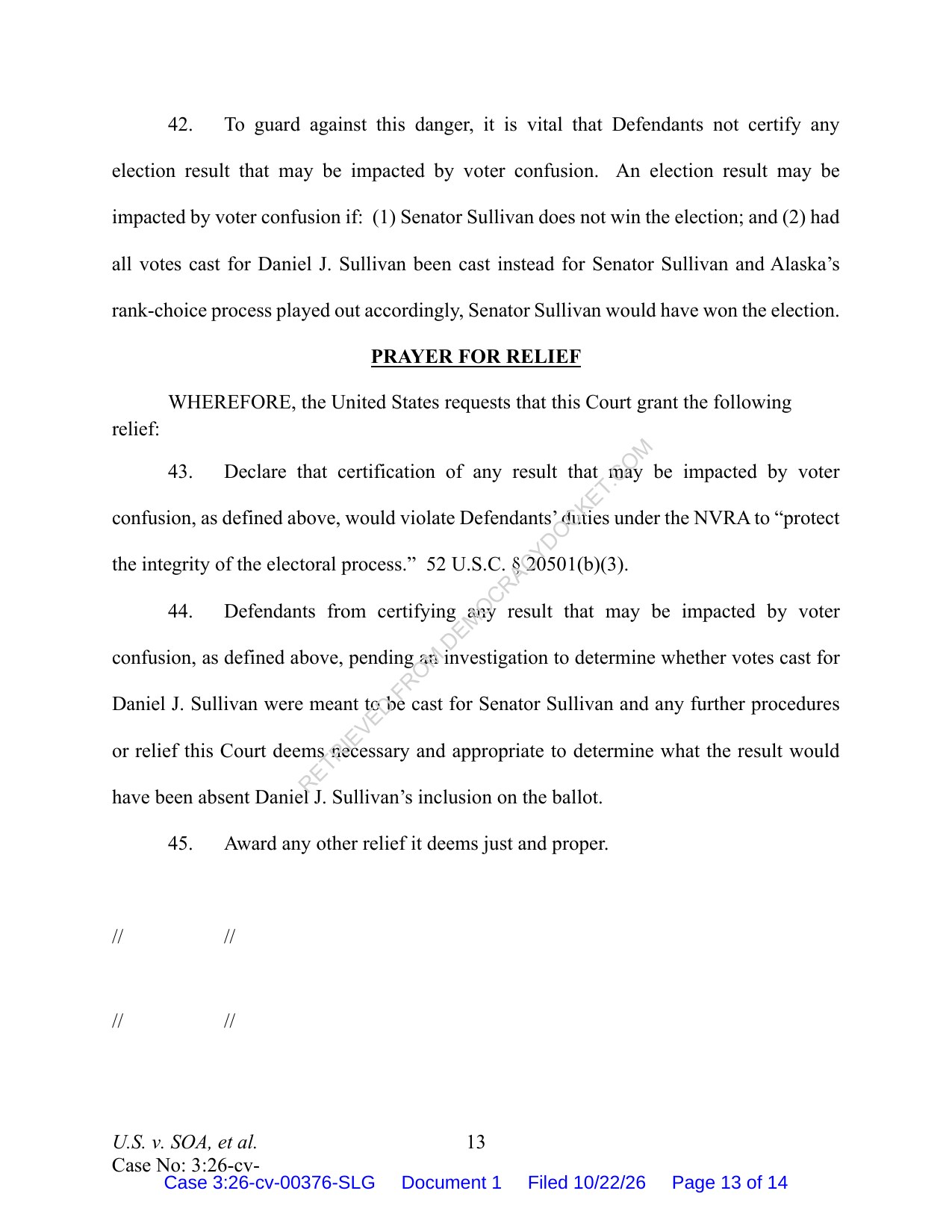
Static capture of page 13 · read the full 14-page complaint (PDF) · case page and later filings. The copy carries a Democracy Docket watermark.
What do the complaint's own numbers say?
Paragraph 31 gives the primary results: Mary Peltola 49.5 percent, Sen. Sullivan 41.4 percent, Daniel J. Sullivan 2.5 percent, Gerald Heikes 1.1 percent. Move every one of the 2.5 points to the senator and the primary figures read 43.9 to 49.5. That is a primary, not the general election, and a ranked-choice count can shift things.
The complaint's answer is paragraph 34, which says "many polls" put the race within one or two points. Under that picture, the test only matters in a very close finish. As written, it has two conditions, a Sullivan loss and a hypothetical shift of Daniel J.'s votes, and it does not require proof that any voter was actually confused.
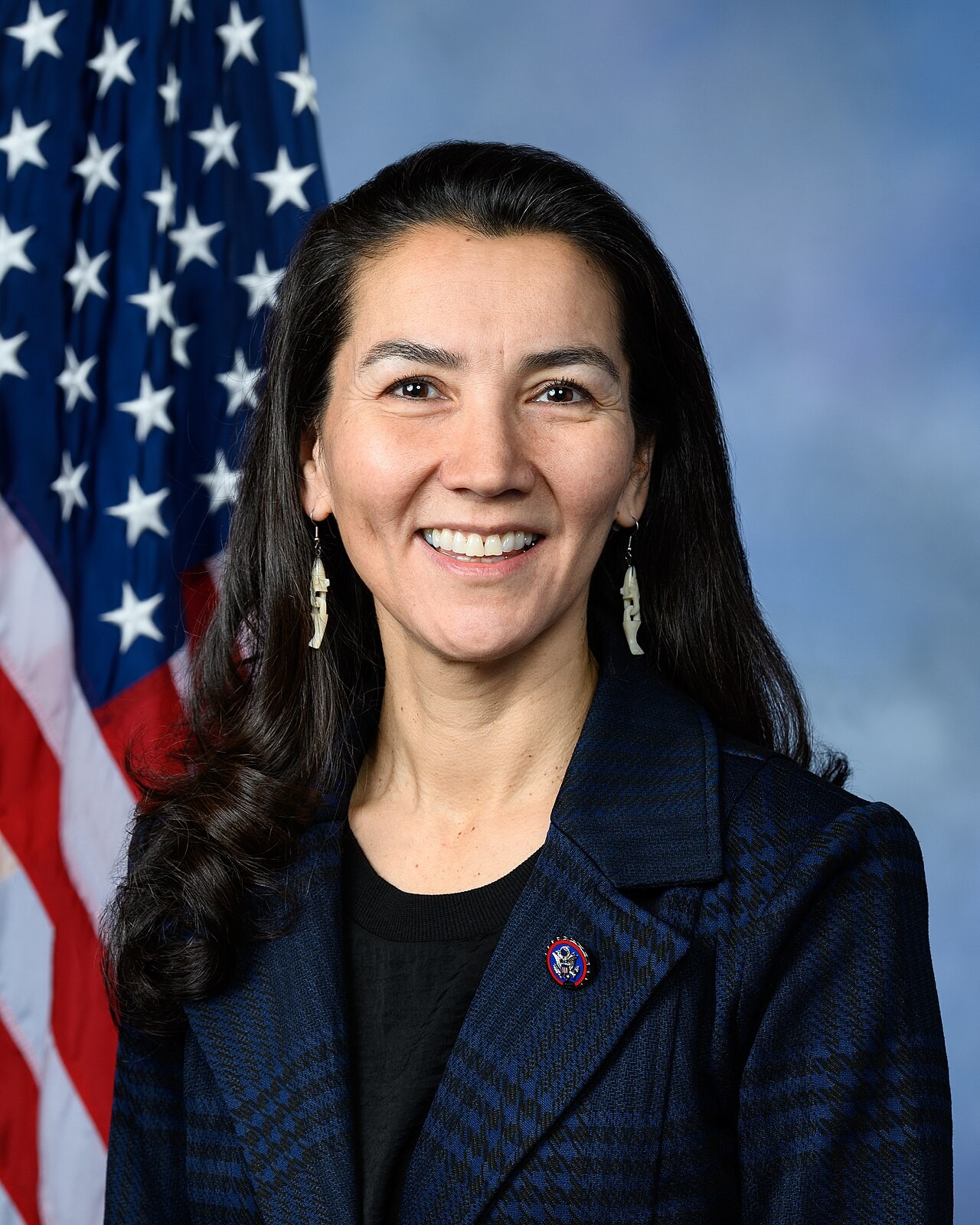
Mary Peltola, the Democratic Senate candidate, in her congressional member portrait. File photo. Photo: U.S. House of Representatives via Wikimedia Commons, public domain.
What happens next?
Two sets of would-be defendants moved to intervene on Friday. Peltola's campaign and the Democratic Senatorial Campaign Committee filed one motion. The League of Women Voters of Alaska, Common Cause and two Alaska voters filed another, per Democracy Docket's case page. Peltola's side argues, according to Alaska Public Media, that the NVRA "exclusively regulates voter registration."
Republican Sen. Lisa Murkowski said the department "should never have filed this lawsuit," and Sullivan's campaign said it would "let the DOJ complaint run its course." I found no filing from the state itself yet. No hearing date was listed on the case page when I checked.
Early voting in Alaska is already underway, and the court has not been asked to rule on a result that does not exist. The first real test of this theory comes only if the count is close enough to trigger it.
Header photo: Sen. Dan Sullivan, official U.S. Senate portrait, via Wikimedia Commons, public domain. Cropped.















