The Bureau of Labor Statistics put out its August inflation report at 8:30 Friday morning, and the headline number is exactly what you'd expect it to be: 3.4 percent, driven mostly by gasoline. But bury yourself in the same tables the wire services skimmed and a different story shows up. Core inflation, the number that strips out food and energy, has now cooled for three straight months. The Federal Reserve is about to raise interest rates anyway.
What Actually Happened at 8:30 Friday Morning
The Consumer Price Index rose 0.4 percent in August after a 0.1 percent gain in July, and the 12-month rate held at 3.4 percent, unchanged from the month before. That's the headline every outlet led with, and it's accurate as far as it goes. What moved it is a single line item: gasoline, up 3.9 percent for the month, which BLS says "accounted for over one third of the monthly all items increase."
Energy overall rose 2.1 percent in August after falling 1.5 percent in July, and it's now up 16.3 percent over the past year, almost entirely because gasoline is up 27.4 percent year over year. That's not a new problem for this pipeline's readers. What's new is what happened everywhere else in the report.
Is Inflation Actually Getting Worse, or Is This Just Gasoline Again?
Strip out food and energy and you get "core" CPI, the measure the Fed actually watches because it filters out the swings that come from oil markets and harvests. Core rose 0.3 percent in August after 0.2 percent in July, and its 12-month rate came in at 2.4 percent, down from 2.5 percent in July, which BLS states directly in its own release.
That's not a one-month blip. Pull the index values yourself from BLS's public data and the 12-month core rate has now fallen for three consecutive months: 2.6 percent in June, 2.5 percent in July, 2.4 percent in August, after peaking at 2.9 percent in May. Headline inflation spiked hard between February and May this year, mostly on tariff-driven goods prices and an earlier gasoline run-up, then plateaued around 3.4 to 3.5 percent for the last three months while core kept drifting down underneath it.
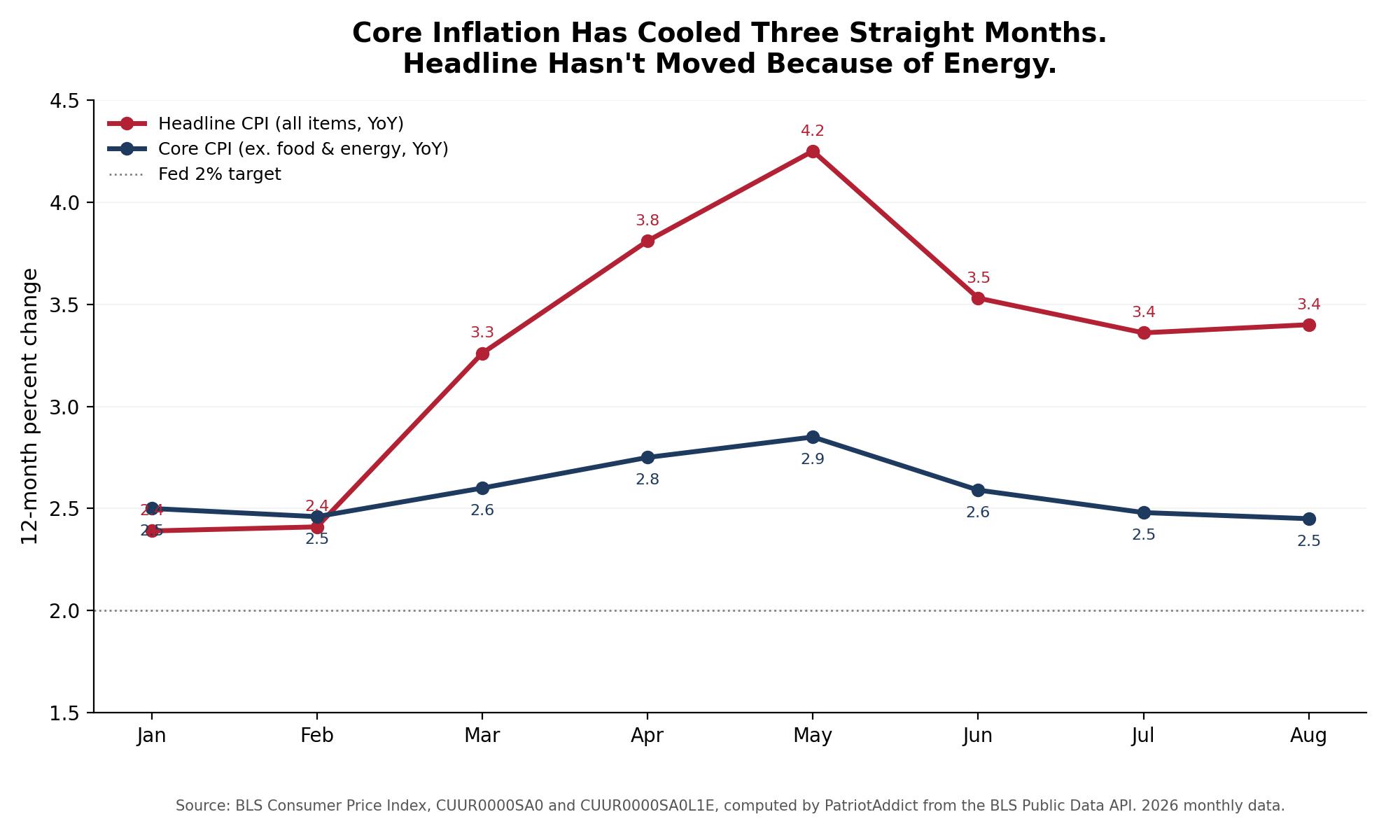
Headline CPI has held near 3.4 percent for three months while core inflation has fallen for three straight months. Chart built by PatriotAddict from BLS Consumer Price Index data (series CUUR0000SA0 and CUUR0000SA0L1E).
None of this means prices are falling. It means the part of the economy the Fed actually has leverage over, wages, rents, and everyday services, has been getting quieter for three months running, while the part driven by oil markets keeps resetting the clock on the headline number every time it moves.
Official record
Consumer Price Index News Release, USDL-26-1496, Bureau of Labor Statistics, released Sept. 11, 2026. Full release: bls.gov/news.release/cpi.nr0.htm.
"The index for all items less food and energy rose 2.4 percent over the past 12 months. The shelter index increased 3.0 percent over the last year." — BLS, August 2026 CPI release
BLS's own release server blocks automated downloads of the release PDF, so no document page is rendered here. Every figure above and below is pulled directly from the release text and BLS's Public Data API rather than secondhand summaries.
The Quieter Numbers Underneath: Rent, Groceries, and Used Cars
Shelter, the single biggest piece of the core basket, rose 0.3 percent in August and is up 3.0 percent over the year. That sounds sticky, and it is the largest ongoing driver of core inflation by weight. But the 12-month shelter rate has also been sliding: 3.3 percent in June, 3.2 percent in July, 3.0 percent in August, by PatriotAddict's own calculation from BLS's index series.
Groceries tell a similar story. Food rose 2.7 percent over the year, down from roughly 3.0 percent back in June, and BLS notes eggs jumped 2.9 percent for the month even as lettuce fell 6.2 percent after a 16.4 percent drop in July.
Used cars and trucks, meanwhile, are down 2.3 percent over the past year, and the deflation there has been deepening for three straight months. New vehicles are up just 0.6 percent. Airline fares are the outlier, up 23.4 percent year over year, which BLS flags as one of the largest movers in the entire report.
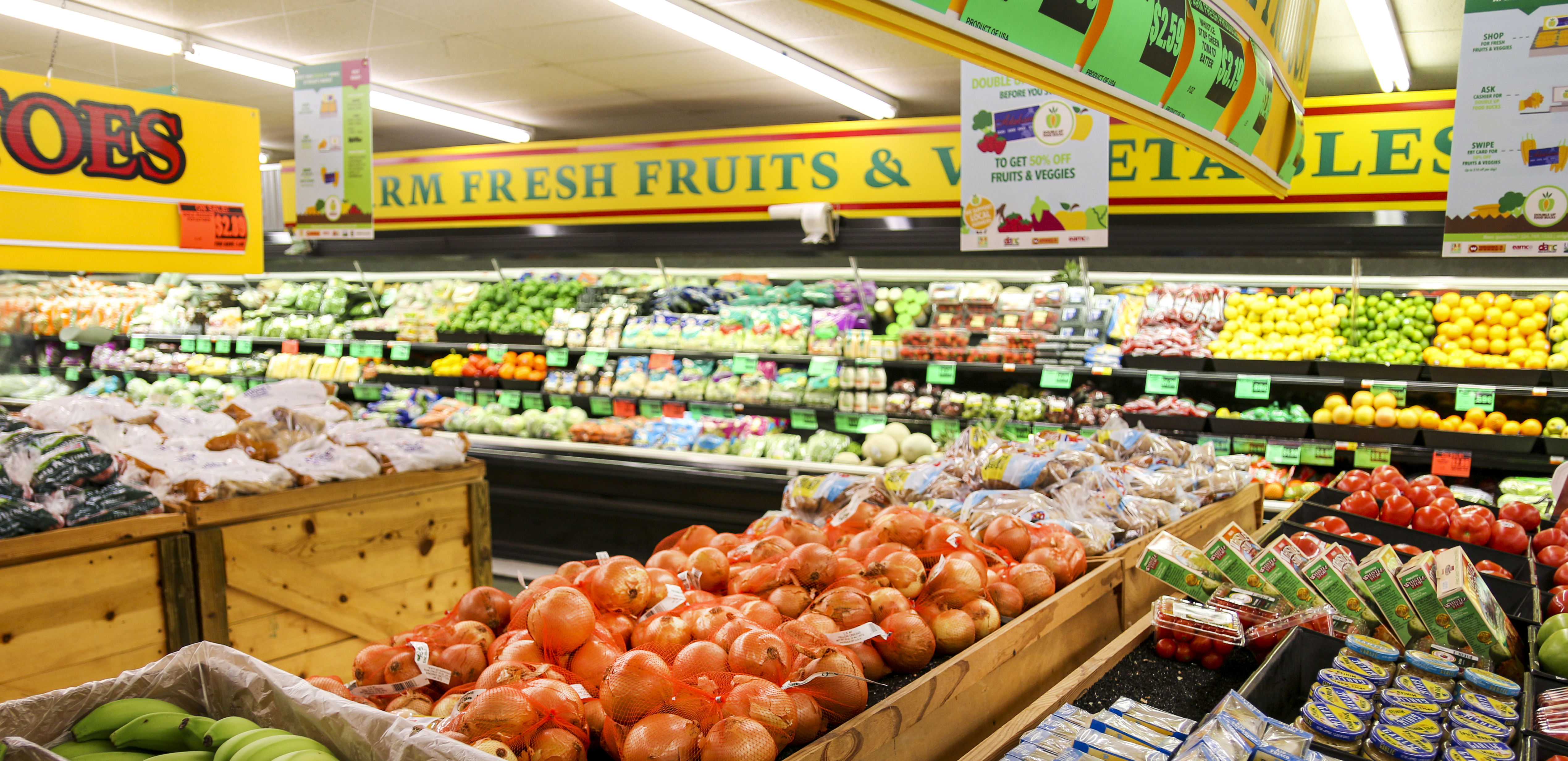
A grocery store produce section. Food prices rose 2.7 percent over the year ending in August, decelerating from earlier in 2026. (Wikimedia Commons, CC0, public domain)
Why Kevin Warsh Is About to Raise Rates Anyway
None of the cooling above is stopping the Fed from moving. The Federal Open Market Committee meets Sept. 15 and 16, with Chairman Kevin Warsh announcing the decision at 2 p.m. Wednesday. Going into Friday's report, CME Group's FedWatch tool had the odds of a quarter-point hike at roughly 70 percent, and after the release, CNBC and Yahoo Finance both reported the odds jumped to 90 percent.
That's the part worth sitting with. Markets didn't push the odds up because core inflation is accelerating; it isn't, by the Fed's own numbers. They pushed it up because the monthly core reading of 0.3 percent came in a tenth of a point hotter than Wall Street had penciled in, even while the 12-month trend kept falling.
Warsh spent his Aug. 28 Jackson Hole keynote arguing financial conditions were still too loose to call restrictive, and this report gave him the cover to act on it. The Fed's target range has sat at 3.50 to 3.75 percent since December, and a hike would take it to 3.75 to 4.00 percent, the first move up since the current cycle began.
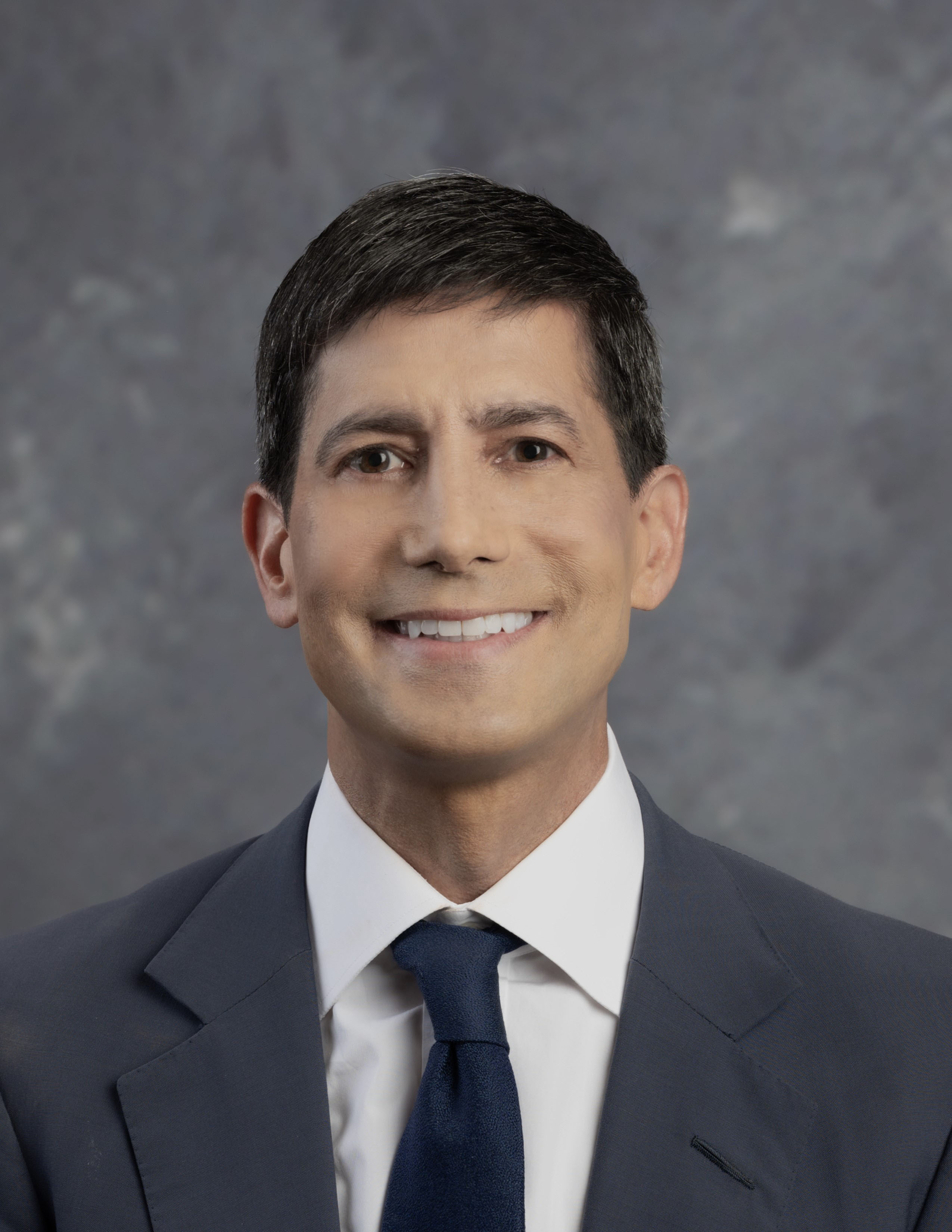
Federal Reserve Chairman Kevin Warsh, whose committee meets Sept. 15-16 to decide whether to raise interest rates. (Official Federal Reserve portrait, public domain via Wikimedia Commons)
What a Hike Means for Your Mortgage and Your Credit Card
The Fed hasn't voted yet and borrowing costs are already climbing in front of it. Freddie Mac's weekly survey put the 30-year fixed mortgage rate at 6.76 percent as of Sept. 10, up from 6.71 percent the week before and the highest level in more than fourteen months. A year ago the same survey read 6.35 percent. Every basis point of that gap is real money on a 30-year loan, and it moved before the Fed even met.
A quarter-point hike doesn't map one-to-one onto a 30-year mortgage rate, which trades off longer-term Treasury yields more than the Fed's overnight rate. But credit card APRs, auto loans, and home equity lines track the fed funds rate closely, and all three get more expensive the moment the Fed moves.
That's the trade Warsh is making: tighter money to keep a lid on an inflation number that's still running almost double the Fed's 2 percent target, at the cost of real households paying more to finance a car, a renovation, or a revolving balance heading into the holidays.
The honest read on August's numbers is that they don't support either of the loud stories being told about them. Inflation isn't reaccelerating across the board, core prices have cooled for three straight months running. But it isn't cooling fast enough, or evenly enough, for the Fed to leave rates alone while gasoline keeps blowing the headline number back up. Both things are true, and next Wednesday the Fed is going to act on the one that isn't actually getting better as fast as the other.