

Vice President JD Vance says Microsoft "laid off last year 6,000 American workers" while benefiting from 6,300 H-1B visas, and the Labor Department has frozen the company's green card sponsorship. The freeze covers Adobe and six outsourcing firms too, and Vance says it lasts "as long as it needs to." The Labor Department rule that appears to govern these freezes puts a clock on the first pause, 180 days, and that clock is worth knowing about.
What did the administration actually announce?
On October 8, Vance said Microsoft, Adobe, Cognizant, Infosys, Tata, Wipro, HCL and Capgemini are suspended from the PERM program, according to ABC News. PERM is the Labor Department's labor certification, the first step when an employer sponsors a foreign worker for an employment-based green card. The eight companies cannot file new applications, and pending ones are on hold.
Labor Secretary Keith Sonderling said the eight employers have obtained more than 100,000 permanent labor certifications since 2009. Attorney General Todd Blanche said the Justice Department is "actively investigating" companies that favor foreign workers. The same day, the Labor Department's inspector general opened a J-1 visa probe of nine universities.
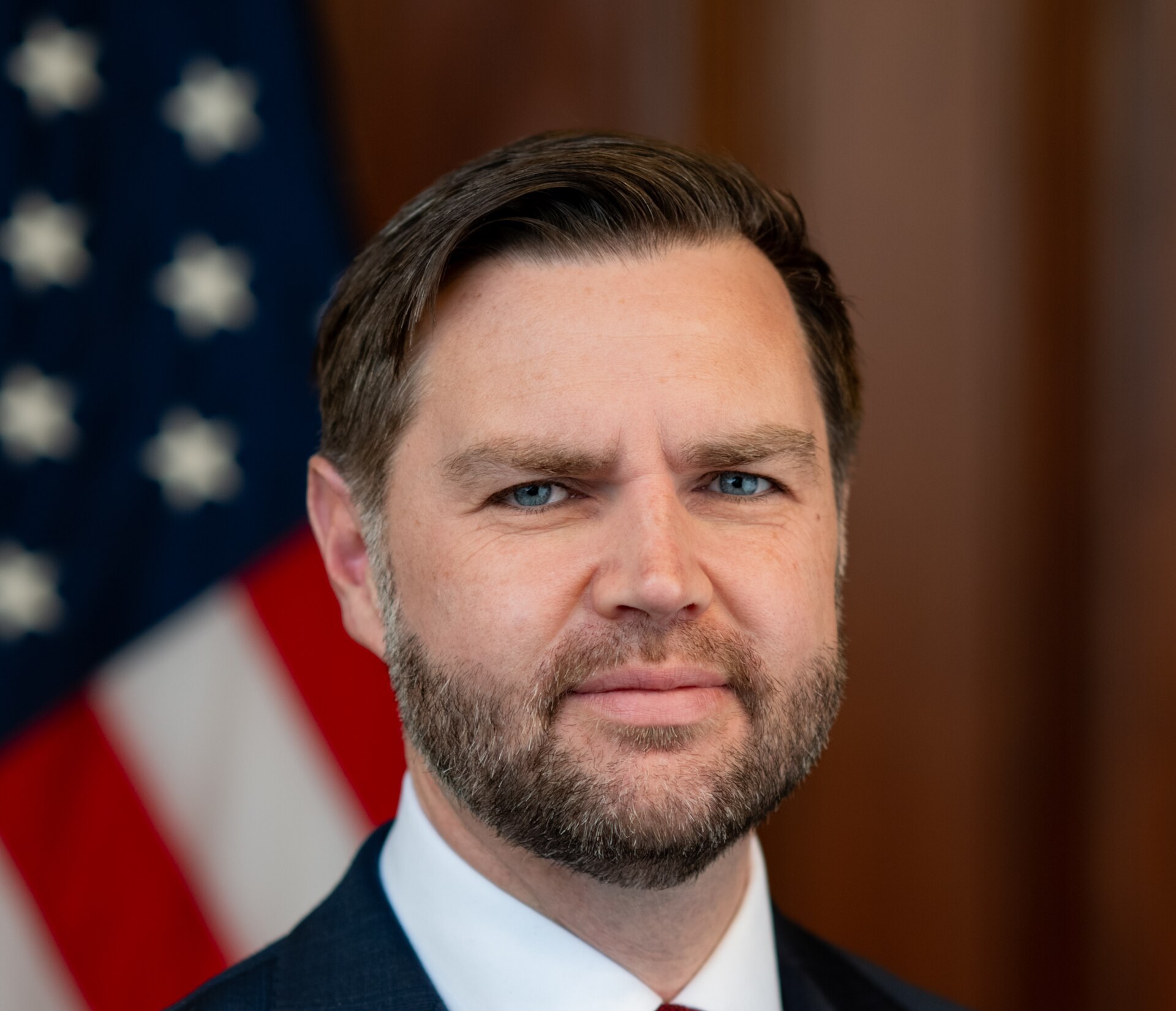
Vice President JD Vance, official portrait, March 2026. Photo: White House, via Wikimedia Commons, public domain.
Do Vance's Microsoft numbers hold up?
Vance said Microsoft laid off 6,000 Americans while it "benefited from 6,300 H-1B visas and almost 3,000 green cards," and he said it replaced each laid-off worker with "one and a half foreign indentured servants," per Newsweek. Those are his claims, not findings.
Microsoft says the comparison is off. In a statement the same day, the company said it submitted about 6,000 H-1B applications last fiscal year and that 80 percent were to extend or change the status of people it already employs. Microsoft president Brad Smith told Politico the replacement claim is "completely off base" and said the company hired 9,200 American workers last fiscal year.
Run Microsoft's own figures and about 1,200 of those applications, 20 percent of roughly 6,000, were for new hires, all of them for people it says were already in the country. That is my arithmetic, not a Microsoft number. Vance counts visas and green cards. Microsoft counts applications. Neither side has published the underlying filings, so the two sets of numbers cannot be reconciled from public data.
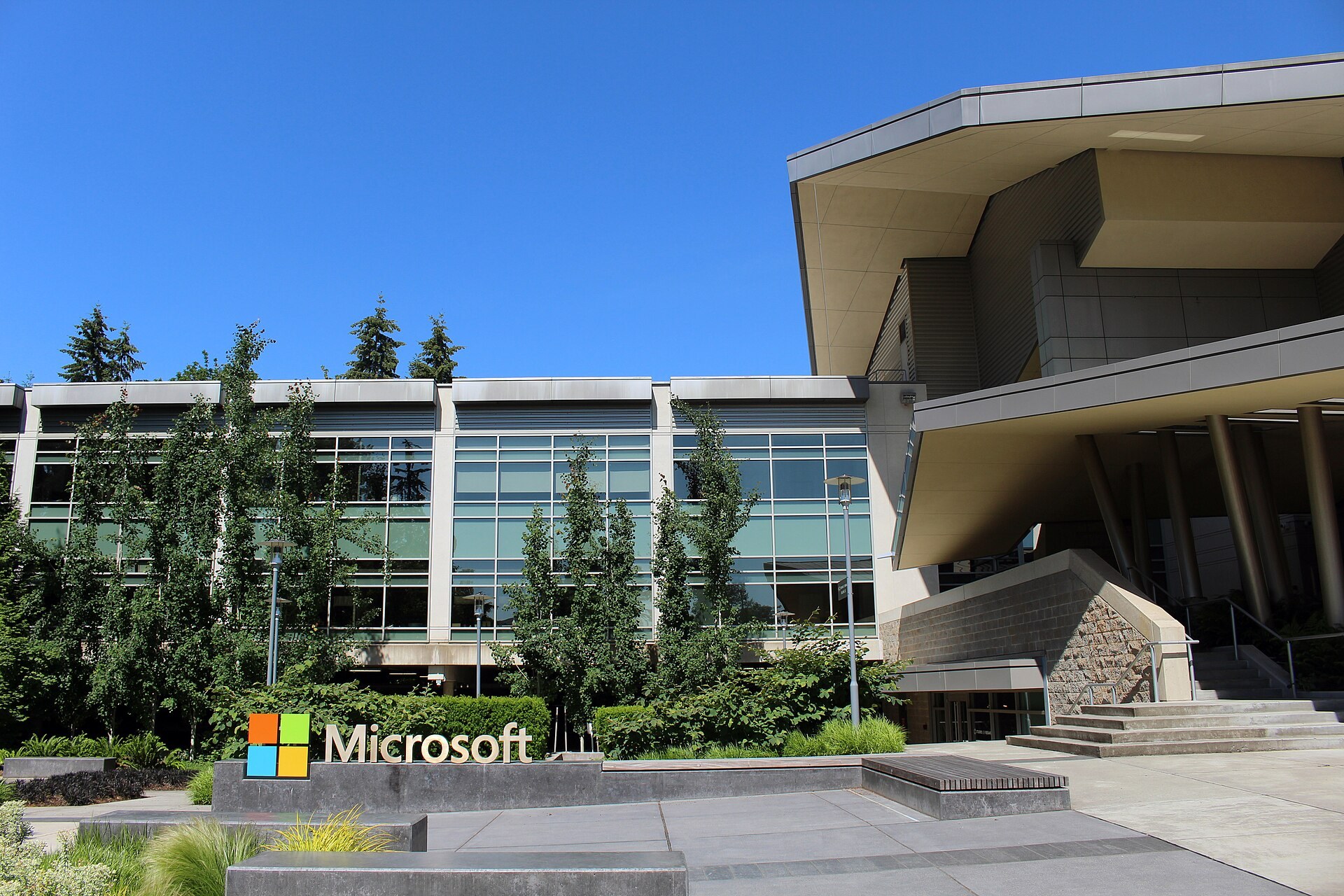
Building 92 at Microsoft's headquarters in Redmond, Washington. Photo: Coolcaesar, Wikimedia Commons, CC BY-SA 4.0.
What does the 180-day rule say?
The Labor Department has not, in anything I could find, posted a written notice naming its authority. Law firms tracking the case, including Wolfsdorf and Ellis, point to 20 CFR 656.31 as the likely basis, and Boundless reported no written DOL guidance at all. Treat the rule as the probable mechanism, not a confirmed one.
Official record
Title 20, Code of Federal Regulations, section 656.31, "Labor certification applications involving fraud or willful misrepresentation," as published by Cornell's Legal Information Institute.
"may last initially for up to 180 days" — 20 CFR 656.31(b)(2), on suspension of processing. Debarment is limited to "a reasonable period of no more than three years" — 20 CFR 656.31(f)(1).
After 180 days, if no indictment has been filed and the matter is unresolved, the certifying officer can resume processing or extend the pause. Vance said the administration has "a number of tools to suspend it indefinitely." Both statements can be true. The regulation lets the Labor Department extend, so "as long as it needs to" is a decision the department can make, not a power the Vice President invented.
Who gets hurt first?
Workers already in line. Ellis notes the H-1B status of current employees is not suspended, but a frozen PERM case can run into the six-month recruitment filing window and force an employer to start the job search over.
Stuart Anderson of the National Foundation for American Policy told Newsweek the policy will likely push companies to expand hiring outside the U.S., which he said "will harm U.S. workers far more than anything alleged at the press conference." That is one analyst's prediction, and the freeze will test it.
What should readers watch for next?
Watch for a written Labor Department notice, which would settle the legal basis. Watch for any indictment, which under the rule changes what the department can do. And if the 180-day clock started October 8, the first pause runs out around April 6, 2027, the date by which the department must resume or extend.
The administration is also telling Microsoft something awkward. Trump gave CEO Satya Nadella the National Medal of Technology and Innovation the same day, and Vance said the White House will "continue to support Microsoft" while it denies the company green card sponsorship until it puts "American workers first." Voters who want fewer laid-off Americans replaced by visa workers have a reasonable demand. They should also want the filings on the table, because right now each side is quoting a number the other cannot check.
Header photo: the Frances Perkins Building, headquarters of the U.S. Department of Labor, Washington, D.C., with "American Workers First" banners, May 2026. Photo: ajay_suresh, Wikimedia Commons, CC BY 4.0.















