Wholesale prices jumped 1.3 percent in September, the biggest one-month gain since March 2022, and are now up 6.3 percent from a year ago, the Bureau of Labor Statistics reported Thursday. Gasoline at the producer level rose 20.3 percent in a single month. The numbers landed one day after Social Security announced a 3.6 percent raise for 2027, and the gap between the two matters to every retiree on a fixed income.
What the Labor Department actually reported
The Producer Price Index measures what sellers get paid, not what shoppers pay at the register. Final demand goods rose 2.6 percent in September, which BLS says is "the largest increase since data were first calculated in December 2009." More than 80 percent of that rise came from energy, which jumped 10.8 percent in the month.
Economists had not seen it coming. The Daily Caller reports the Dow Jones consensus was a 0.6 percent monthly gain, less than half the actual number. Outlets including the Daily Caller and Fox Business tie the energy spike to the war with Iran that began in late February.
Official record
U.S. Bureau of Labor Statistics, "Producer Price Indexes - September 2026," release USDL 26-1576, issued October 15, 2026.
"On an unadjusted basis, the index for final demand climbed 6.3 percent for the 12 months ended in September, the largest 12-month increase since moving up 6.4 percent in December 2022." — BLS news release
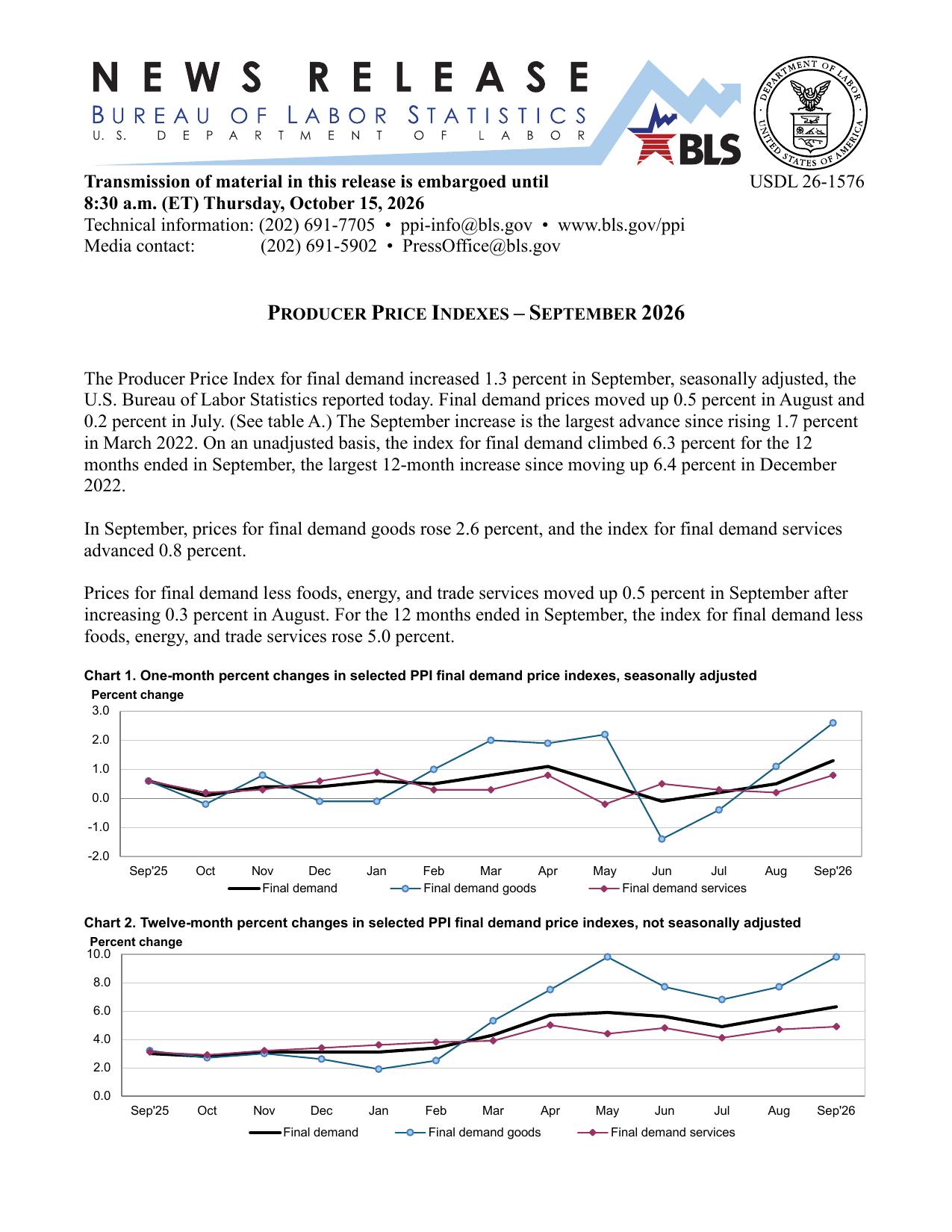
Read or download the full 34-page release (PDF) · view it on BLS.gov
The pipeline is hotter than the shelf
Look further up the supply chain and the picture gets sharper. In the same release, unprocessed goods bought by businesses rose 8.4 percent in September and are up 21.5 percent over 12 months, with crude petroleum up 28.3 percent for the month. Processed intermediate goods are up 14.1 percent over the year. Diesel at that stage rose 21.0 percent in September alone, and transportation and warehousing services for final demand climbed 3.4 percent.
Diesel is how groceries, lumber and parts get to town. AAA put it at $6.31 a gallon, ABC News reported, about 66 percent higher than when the war began. At the pump, AAA's national average sits near $4.33 for regular, against $3.07 a year ago.
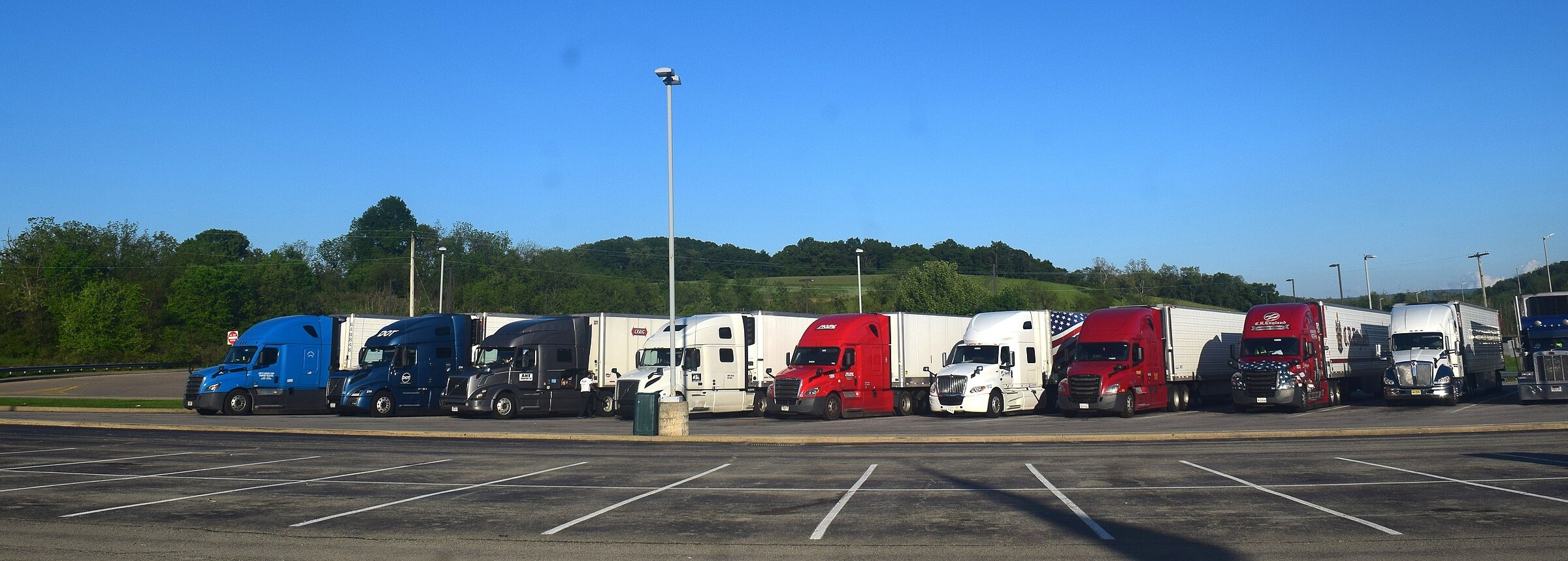
Tractor-trailers parked at a highway plaza. Photo: Shashidhara halady, Wikimedia Commons, CC BY-SA 4.0. Illustrative, not tied to a specific shipper.
Why shoppers have not felt all of it yet
Consumer prices are still catching up. The September CPI report showed all items up 3.7 percent over the year, with food flat for the month and groceries down 0.1 percent. Some of that is eggs: producer prices for chicken eggs fell 39.7 percent in September, per the PPI release.
Whether the rest of the pipeline reaches the store is the open question. Marketplace reports economists expect higher producer costs to flow through to consumers in the coming months, with the timing and size uncertain, since businesses decide how much to absorb. Nobody can promise it will pass through, and nobody can promise it will not.
Seniors got 3.6 percent. September ran hotter.
On Wednesday, the Social Security Administration announced that monthly benefits and SSI payments for 76 million Americans "will increase by 3.6 percent in 2027." SSA's own materials put the average retirement increase at about $75 a month, starting in January. Last year's raise was 2.8 percent, according to Fox Business.
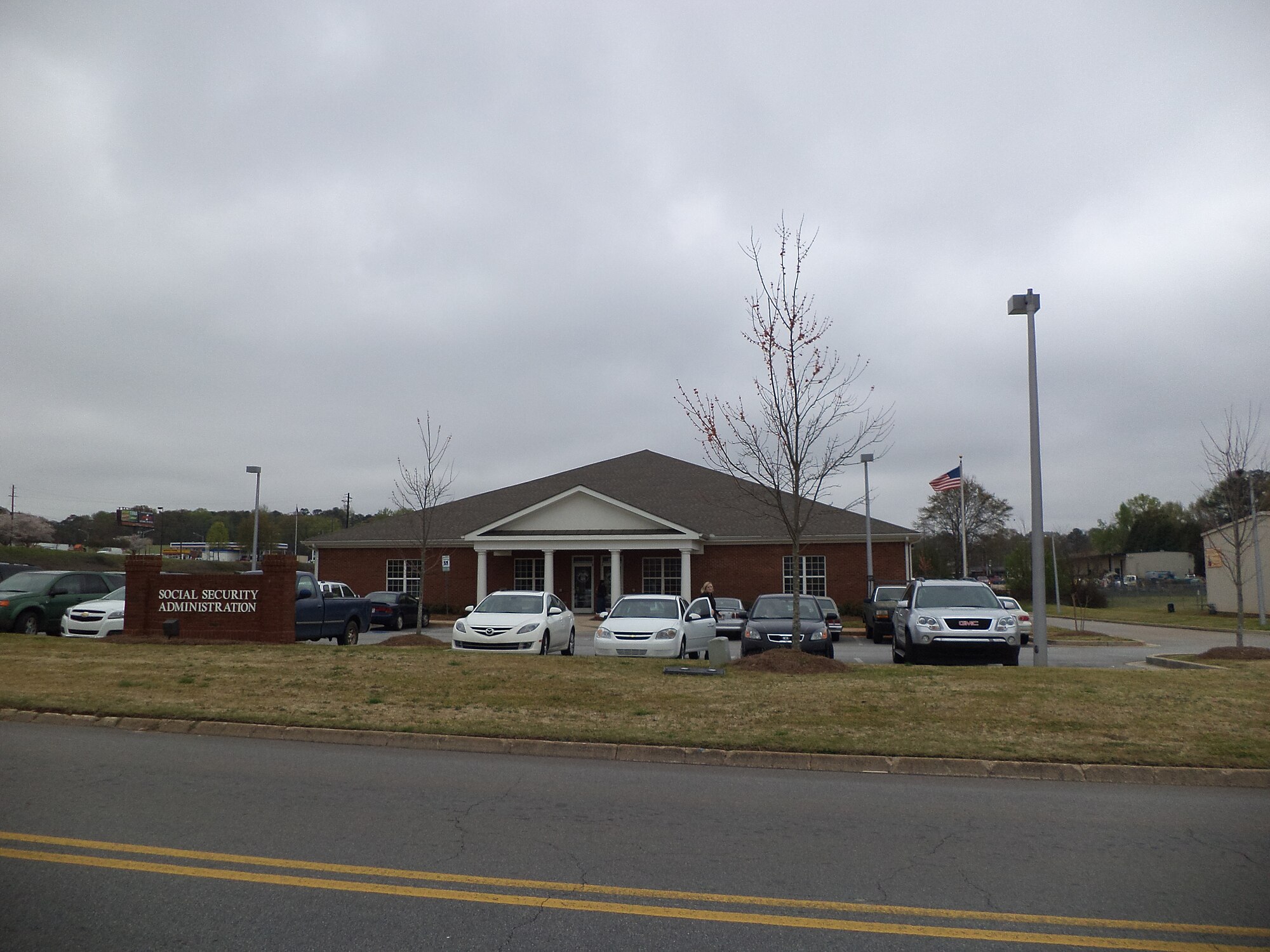
A Social Security Administration office in Griffin, Georgia (2013 file photo). Photo: Michael Rivera, Wikimedia Commons, CC BY-SA 3.0.
The raise is built from the July, August and September readings of the CPI-W, the index for urban wage earners and clerical workers, Fox Business explains. BLS reported that the CPI-W alone rose 3.9 percent over the 12 months ending in September, and 0.7 percent in the month. So by the final month of the measuring window, prices for that group were already running above the 3.6 percent raise. That is our comparison, not a BLS or SSA figure, and a single month does not decide a year. It does show why a cost-of-living adjustment can feel smaller than the bills in a gasoline shock.
What to watch before and after Election Day
The next readings come after voters have gone to the polls. BLS has scheduled the October CPI for November 10 and the October PPI for November 13, both after the November 3 midterms. Before that, the Federal Reserve's calendar has a meeting on October 27 and 28. The Daily Caller notes the Fed raised rates in September for the first time since July 2023.
For households, the practical read is simple. The fuel shock has already hit the producers who haul, grow and build things, and the Labor Department's own data shows it still working its way down the chain. A 3.6 percent raise helps. It was set by a measuring window that closed before the full bill came due.
Top photo: semi-trucks at the Lebec rest area on Interstate 5 in California. Photo: Flickr user prayitnophotography ("Thank You (21 Millions+) views"), Wikimedia Commons, CC BY 2.0.