

The average 30-year mortgage rate is 7.40 percent, up from 6.27 percent a year ago, Freddie Mac reported Thursday. Fannie Mae's economists now forecast 7.5 percent for every quarter of 2027. Their July forecast for 2027 was 6.3 percent. For a young family trying to buy a first home before the November 3 midterms, that is a $300-a-month swing on a typical loan.
What did Fannie Mae change between July and October?
Almost everything about the rate outlook. Fannie Mae's July 10 forecast had the 30-year rate at 6.4 percent in the fourth quarter of 2026 and averaging 6.3 percent in 2027. The October 12 forecast puts the fourth quarter of this year at 7.4 percent and holds 7.5 percent through all of next year.
The housing numbers moved with it. Fannie Mae now sees home prices rising 0.6 percent in 2027, after 2.7 percent this year. It cut 2027 refinance originations to $430 billion, down from $655 billion this year. Existing-home sales are projected at about 4.06 million, a market Scotsman Guide says has sat at 30-year lows for four straight years.
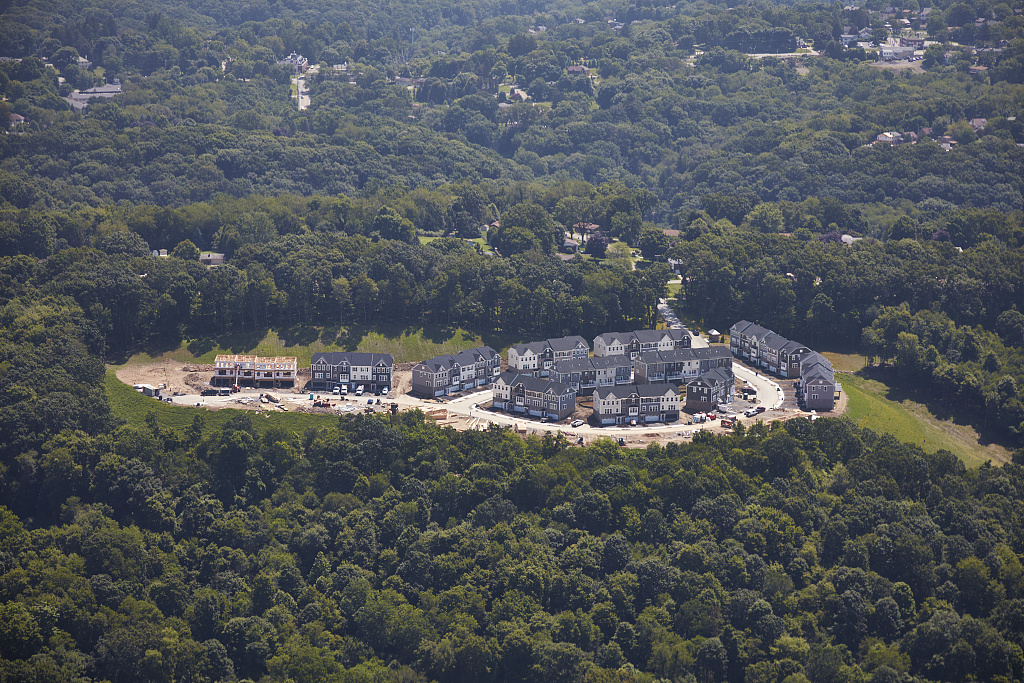
A new townhome development near Franklin Park, north of Pittsburgh (2019 aerial). Photo: Carol M. Highsmith, Library of Congress, no known restrictions on publication. Illustrative.
How much more does a 7.40 percent loan cost?
Take a $400,000 loan on a 30-year fixed mortgage. At last year's 6.27 percent, principal and interest comes to about $2,468 a month. At 7.40 percent, it is about $2,770. That is roughly $301 more a month, or $3,617 a year, before taxes and insurance. At the 7.5 percent Fannie Mae expects, it is about $2,797. Those figures are our own arithmetic from Freddie Mac's two rates, not a Freddie Mac or Fannie Mae number.
Freddie Mac's survey is a weekly average of rates on loan applications. Florida Realtors notes this week's flat reading ended seven straight weekly increases and left rates at their highest since November 2023. The Mortgage Bankers Association's weekly survey showed mortgage applications falling for a seventh straight week, per Mortgage Professional magazine.
Why are rates rising when the Fed is the one raising them?
The Fed's September 16 move is part of it. The Federal Open Market Committee voted 12 to 0 to raise its target range a quarter point to 3.75 to 4 percent, a hike Mortgage Professional calls the first in more than three years, and said plainly: "Inflation remains elevated."
Official record
Federal Reserve Board, FOMC statement and implementation note, issued September 16, 2026.
"Inflation remains elevated. Today's policy action will support a timelier return to the Committee's 2 percent goal. The Committee will deliver price stability." - Federal Reserve press release
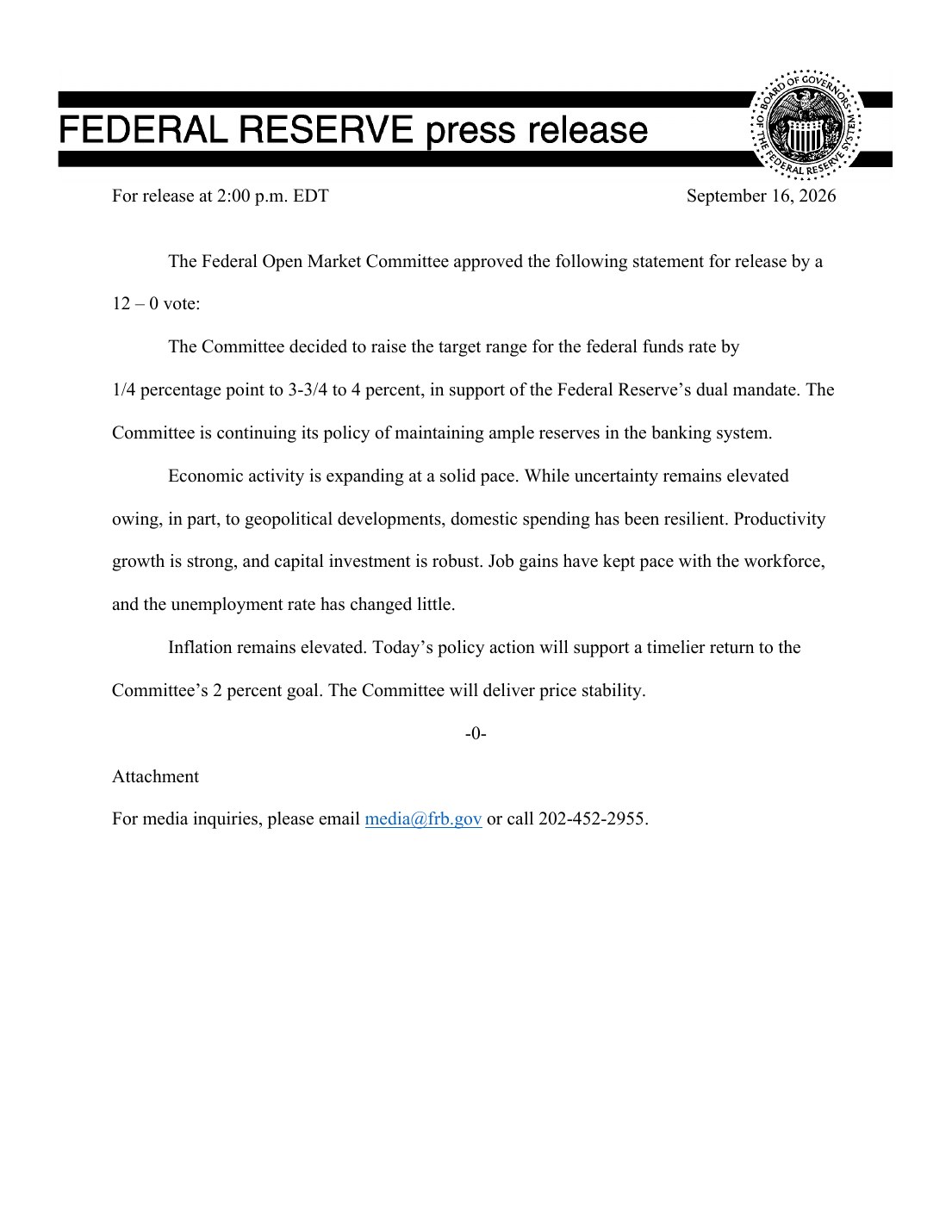
Read or download the full 2-page release (PDF) · view it on FederalReserve.gov
But mortgage rates follow long-term bond yields more than the Fed's overnight rate, and those are climbing on their own. MBA chief economist Mike Fratantoni told his group's annual conference, as Mortgage Professional reported: "Inflation is too high, leading central banks to raise short-term rates, while budget deficits and debt are unsustainably high, leading bond investors to push up longer-term rates."
Scotsman Guide reports Fannie Mae now expects the 10-year Treasury yield near 5.3 percent through the end of 2027, and ties the climb to energy costs since the Iran war began in late February.
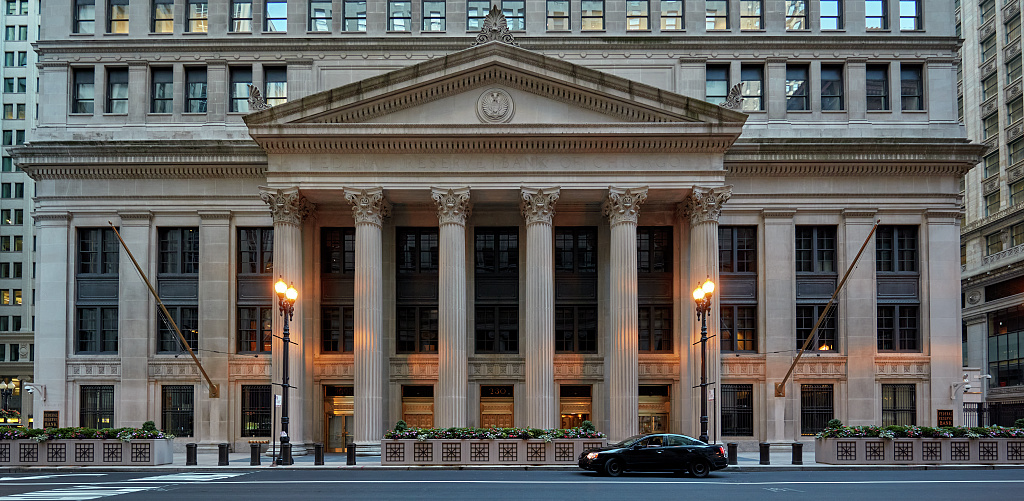
The Federal Reserve Bank of Chicago, one of twelve regional Reserve Banks (2017 photo). Photo: Carol M. Highsmith, Library of Congress, no known restrictions on publication.
What happens at the next Fed meeting?
The committee meets again October 27 and 28, per HousingWire. Fannie Mae's forecast assumes more hikes, and Scotsman Guide counts two more quarter-point increases baked into it.
This is not a story about one party's bad week. The vote was unanimous, the bond market is doing its own pricing, and Fannie Mae's economists kept their real GDP growth outlook at 2.5 percent. But a first-time buyer does not shop for a GDP forecast. They shop for a monthly payment, and the payment just rose by about $300 on a $400,000 loan. Lower energy prices and a smaller deficit are the two levers that move long-term yields down. Until voters see one of them move, a 7.5 percent mortgage is the number they will carry into the booth.
Top photo: the Marriner S. Eccles Federal Reserve Board Building in Washington, D.C. Photo: Federal Reserve, Wikimedia Commons, public domain.















