Homeland Security Investigations agents arrested a Peruvian citizen living legally in Wichita on September 1 for voting in the 2024 general election after telling Kansas she was a U.S. citizen. Kansas let her plead down to a low-level misdemeanor. The federal law that actually decides whether Mariana Alexandra Dewey gets to stay in the country does not care what she pleaded to.
What DHS Says Dewey Actually Did
According to the Department of Homeland Security's own account, Dewey signed the provisional pollbook at the Hope Church polling location in Sedgwick County on November 5, 2024, and submitted a Kansas Voter Registration Application the same day. Both documents were signed under penalty of perjury. On the registration form, she checked "Yes" when asked if she was a U.S. citizen.
She was not. Dewey is a lawful permanent resident of Peru, the kind of green card holder who can live and work in the United States indefinitely but cannot vote in a federal, state, or local election.
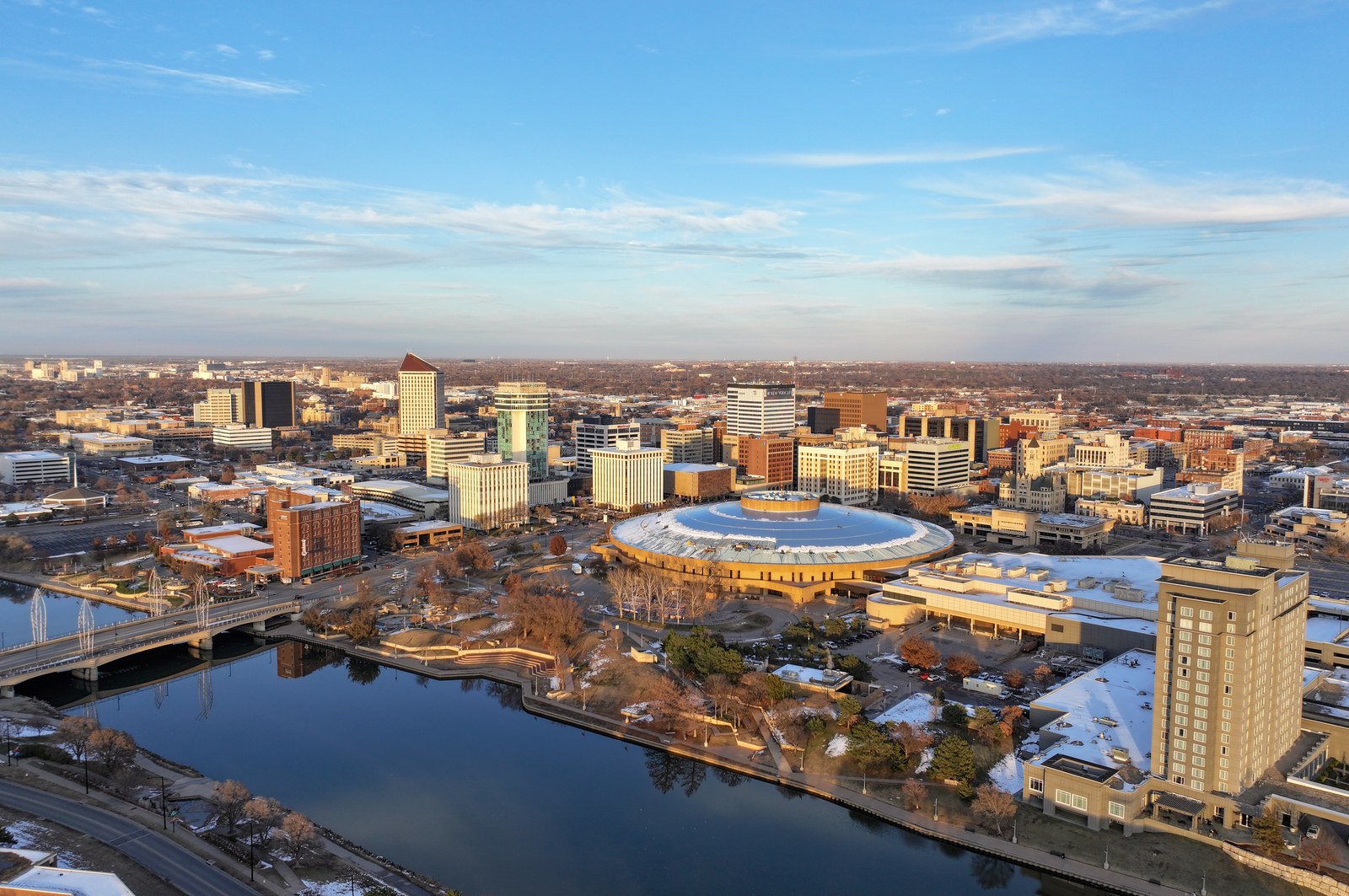
Wichita, Kansas, where HSI agents located Dewey at a residence on September 1. (Photo by Quintin Soloviev, Wikimedia Commons, CC BY 4.0)
The case did not move quickly. An HSI investigator first called Dewey on April 1, 2026, after her listed address changed. She told the agent she was a citizen, then corrected herself, then admitted she was a lawful permanent resident and confirmed she had voted in 2024, according to DHS's timeline as reproduced by Tulsa Today. Five months later, agents showed up at her Wichita residence and took her into ICE custody.
Kansas Charged Her With a Misdemeanor. Congress Wrote a Different Rule.
Dewey pleaded guilty to disorderly election conduct, a class B misdemeanor under K.S.A. 25-2413. In Kansas that carries a maximum of six months in county jail. No date for the plea and no sentence have been made public.
That state outcome is close to beside the point for her immigration status. Under 8 U.S.C. § 1227(a)(6)(A), any alien who has voted in violation of a federal, state, or local law is deportable. The statute does not ask how the case was charged, whether it was a felony or a misdemeanor, or whether a prosecutor cut a deal. It asks one question: did the vote happen. The law carves out a narrow exception for someone who reasonably believed they were a citizen because both parents held U.S. citizenship and the person arrived before turning 16. Nothing in DHS's account suggests that describes a Peruvian-born green card holder who told an investigator, on the record, that she knew she was a lawful permanent resident.
Separately, federal law makes the act itself a crime independent of any state charge. 18 U.S.C. § 611 makes it unlawful for an alien to vote in any election held even partly to select a federal candidate, punishable by up to a year in prison. DHS's release does not say whether Dewey faces a federal charge under that statute in addition to the Kansas misdemeanor and the removal case.
Official record
Department of Homeland Security news release, "HSI Arrests Non-Citizen for Voting Illegally in 2024 General Election," published September 10, 2026.
"This alien violated the sacred right of every American citizen. If even one non-citizen votes, that steals the voice of a U.S. citizen. Only American citizens have the right to participate in our political and election processes, and DHS will continue to investigate, seek criminal prosecution, and ultimately remove aliens who vote to ensure free, fair, and honest elections." — Secretary of Homeland Security Markwayne Mullin
This Is Kansas's Second Case Under the Exact Same Statute This Year
Dewey is not the first Kansan DHS has walked through this same charge in 2026. In April, Jose Ceballos, an alien from Mexico, pleaded guilty to three separate counts of disorderly election conduct after voting multiple times while claiming to be a U.S. citizen. Same state, same misdemeanor statute, same underlying conduct, twice in five months.
That repetition matters. A single case reads as an anomaly. Two cases under the identical charge, both flagged by the same federal investigators, reads like a charging pattern local prosecutors have settled on, whatever the federal consequences that follow afterward.
DHS Is Building a Nationwide List, One Name at a Time
Mullin's statement was not written around a single case. DHS paired the Dewey announcement with a rundown of recent actions: Marian Charitun, a Slovakian national who voted illegally in New Jersey's 2022 election; Denise Nataly Migliore, an Australian national who voted in both the 2022 and 2024 elections in Louisiana; four additional New Jersey noncitizens charged with voting in federal elections; and Mahady Sacko, an alien from Mauritania DHS says voted in the United States going back to 2008.
The list spans Kansas, New Jersey, Louisiana, and beyond, and it is growing publicly, one named case at a time, rather than staying inside an internal tally. In July, Mullin sent letters to secretaries of state in several states warning that tens of thousands of noncitizens remain on active voter rolls, and in June DHS directed ICE to pursue removal as the standard consequence for noncitizens who vote.
The System Runs on Self-Certification, and That Is the Weak Point
Sedgwick County did not catch Dewey at the polling place. She signed a pollbook, cast a provisional ballot, and walked out. Kansas, like almost every state, relies on the voter's own signature under penalty of perjury as the front-line check on citizenship, not a database cross-reference done before a ballot is handed over.
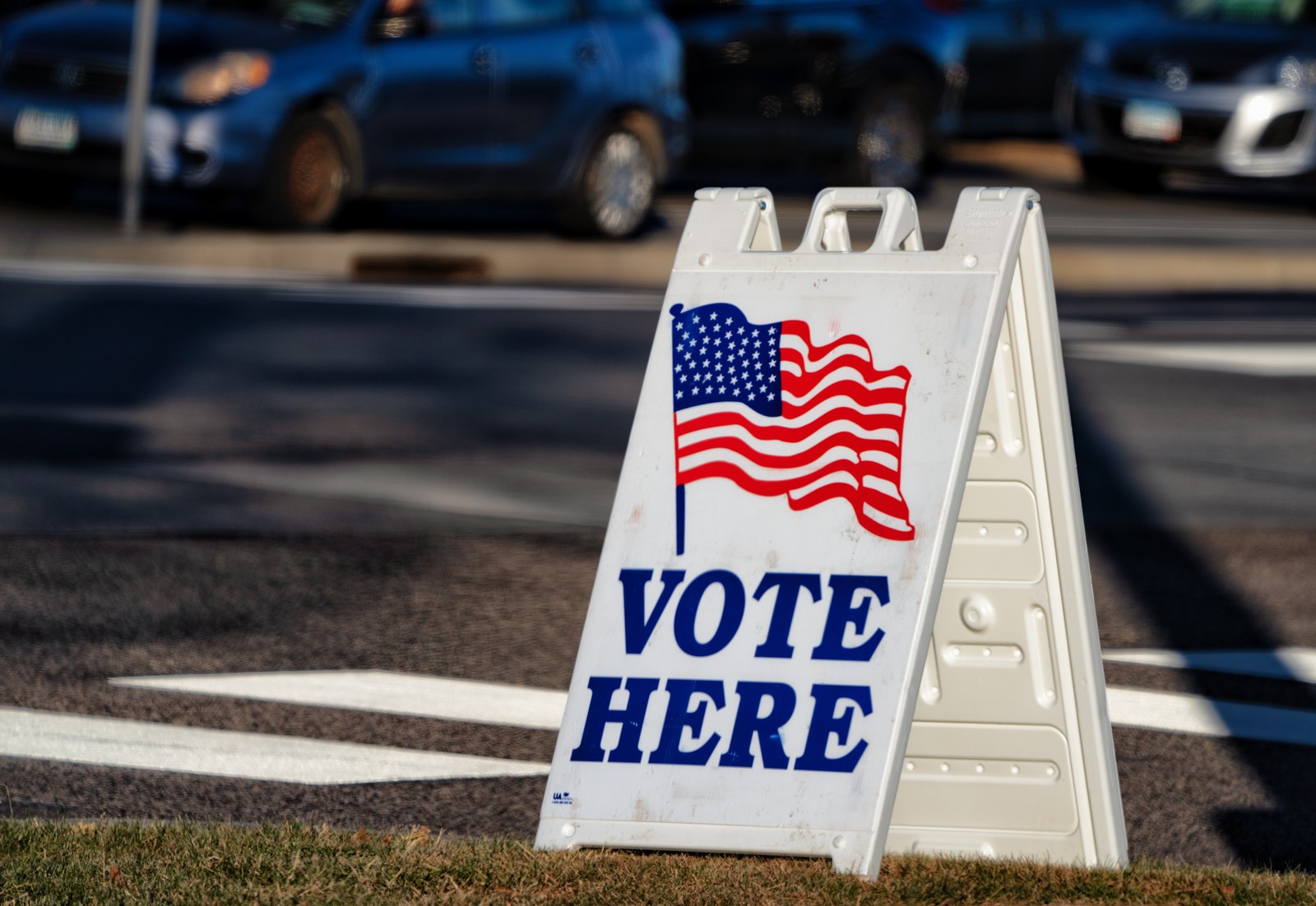
A polling place sign in Woodbury, Minnesota, illustrating the kind of self-certification voting process used nationwide; not the specific Sedgwick County precinct where Dewey voted. (Photo by Tony Webster, Wikimedia Commons, CC BY 2.0)
It took a federal agent's phone call, made a year and a half after the election, to get Dewey to admit on the record that she was not a citizen. Whatever caught her case was not a poll worker or a registration audit. It was HSI following up on a lead long after the ballot had already been counted or discarded, which DHS's own release does not specify.
What Happens to Dewey Now
She is currently in ICE custody, headed toward removal proceedings under the deportability ground DHS's own release invokes. What is not public is whether she has legal representation, whether she will contest the removal case, or whether federal prosecutors intend to add a charge under the separate alien-voting statute on top of the state misdemeanor she already resolved.
What is public is the message Mullin's office wants attached to her name: a plea deal in state court settles the state's interest in the case. It does not touch the federal government's interest in the same set of facts, and for a green card holder, that federal interest can end with a one-way ticket out of the country regardless of what a county prosecutor decided to charge.
Why This Case Lands Seven Weeks Before the Midterms
DHS is not shy about the timing. Every case on the list Mullin's office attached to the Dewey announcement gets the same treatment: a name, a country of origin, a state, and a line connecting it to the next one. That is a deliberate pattern, not an accident of press scheduling, with Election Day 2026 seven weeks out and Mullin's July letters to state election officials already on record warning that tens of thousands of noncitizens remain registered nationwide.
Critics of this enforcement push have long argued that noncitizen voting is vanishingly rare and gets caught by existing safeguards anyway. Dewey's case cuts both ways on that argument. She was caught, eventually, which is the safeguard working. She also voted, was not stopped at the polling place, and was not identified for a year and a half, which is the safeguard failing at every point that actually mattered on Election Day itself.