The Justice Department sued California on Thursday, claiming more than 20,000 likely noncitizens are registered to vote there and were mailed ballots for the November 3 midterms. Attorney General Todd Blanche said "state-facilitated voter fraud is unacceptable," and the government wants a federal judge to make the state set those ballots aside until citizenship is confirmed.
What the complaint actually asks for
The filing, United States v. California, No. 2:26-cv-12025, landed in the Central District of California on October 15. It names the State of California, Secretary of State Shirley Weber and Los Angeles County Registrar-Recorder Dean Logan. According to the Justice Department's release, the list came from Homeland Security Investigations, which compared public voter files against federal immigration records.
The relief is narrower than the headlines suggest. The government is not asking the court to throw out California's election. It wants an order that California (1) set aside vote-by-mail ballots from the people the feds flagged and (2) verify their citizenship before tabulating them, according to paragraph 6 of the complaint.
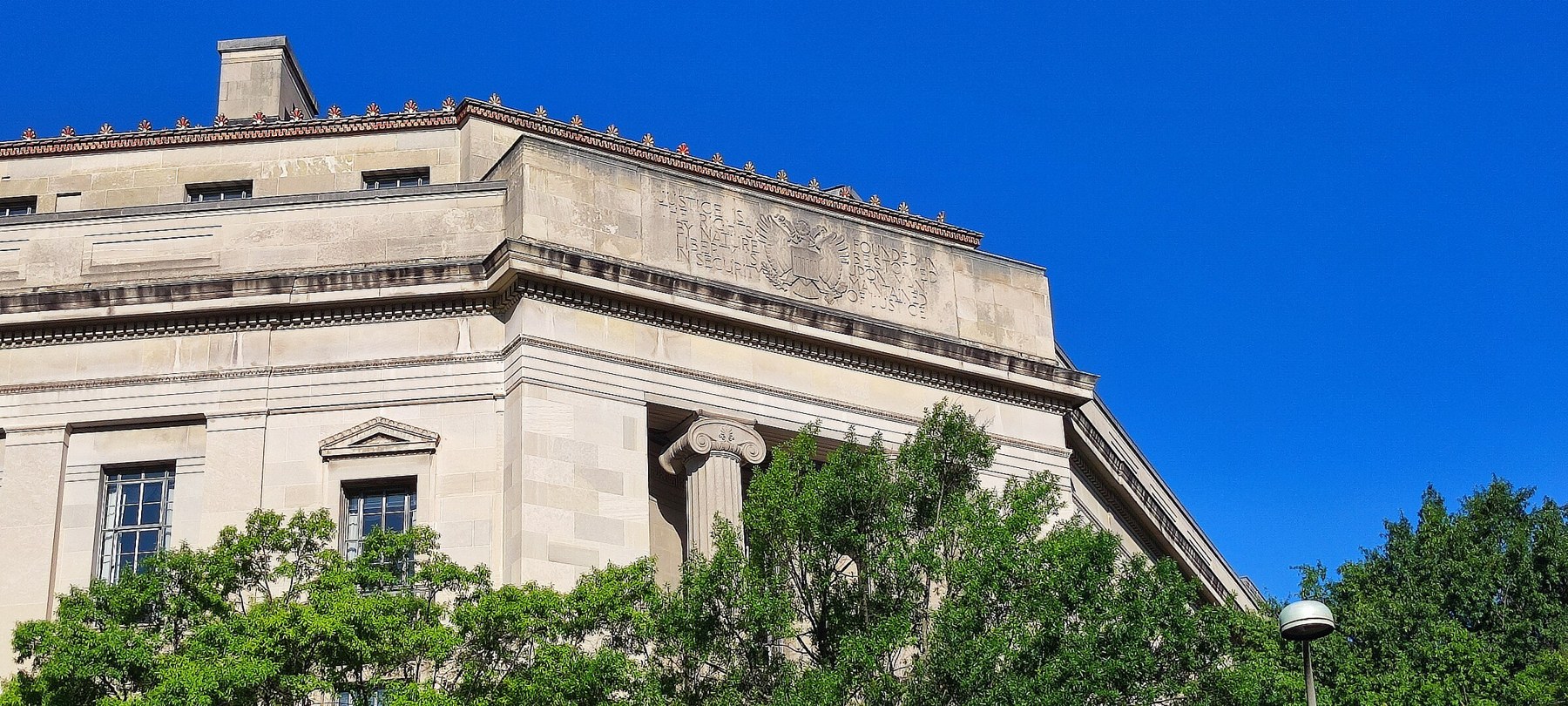
The Robert F. Kennedy Department of Justice Building in Washington, D.C. Photo: Pelajanela, Wikimedia Commons, CC BY-SA 4.0.
The legal theory: California's own mail system
The complaint rests on the Supremacy Clause and 18 U.S.C. 611, the federal ban on noncitizens voting in federal elections. DOJ's argument is that California knows about the flagged names, mails a ballot to every registered voter anyway, and plans to count what comes back.
It leans hard on California's rules. State law requires officials to send ballots to "every registered voter" no later than 29 days before an election, and the signature-verification statement on the return envelope never asks the voter to affirm U.S. citizenship, the complaint says. It also notes that California treats a signature made with a mark such as an "X" as presumed valid. LA County began mailing ballots on October 1, per the complaint.
Official record
United States v. State of California, Shirley N. Weber and Dean C. Logan, No. 2:26-cv-12025, U.S. District Court, Central District of California, Document 1, filed 10/15/26.
"The United States thus seeks commonplace election relief when a ballot is called into question." — Complaint, paragraph 6
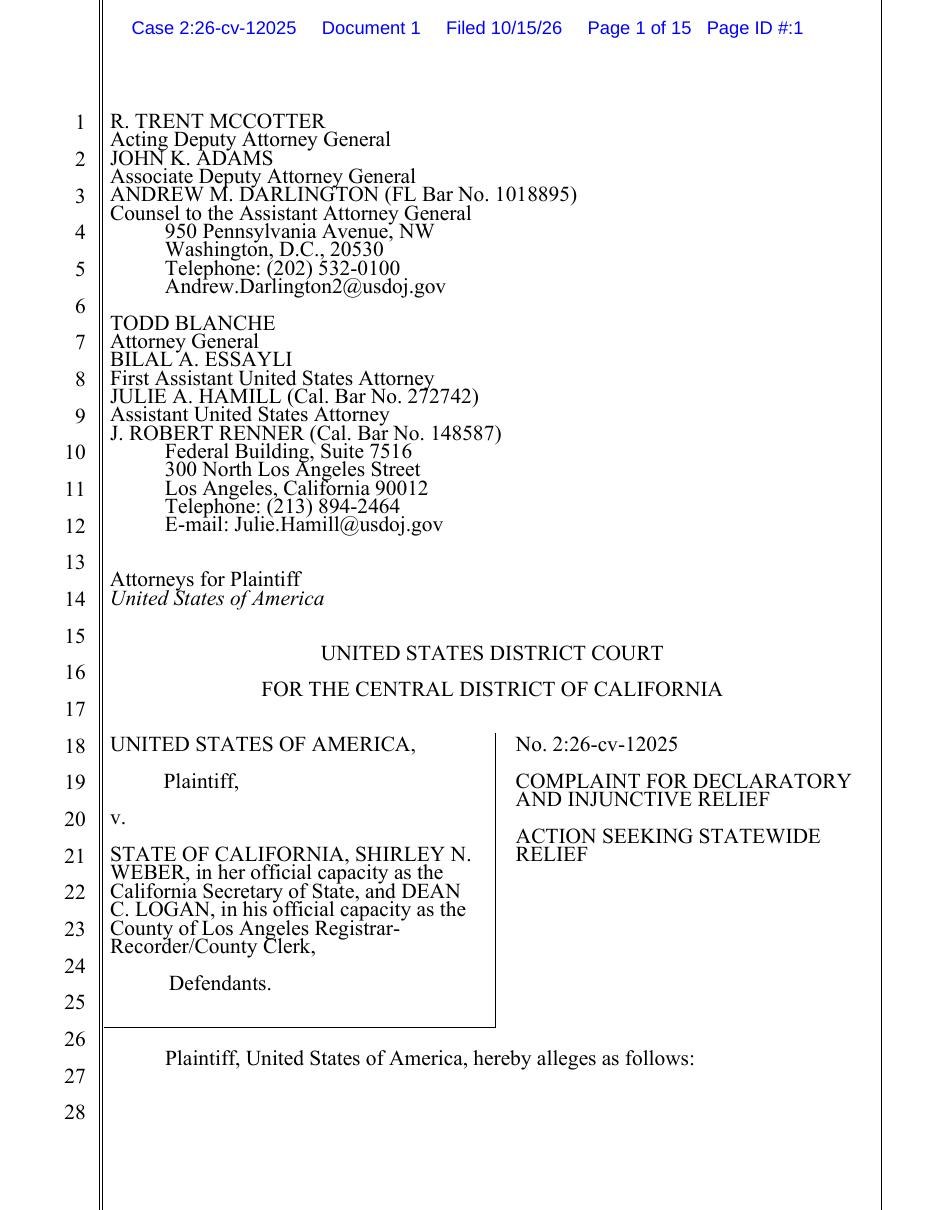
Read or download the full 16-page complaint (PDF) · DOJ press release
The thumb drive at the center of the fight
Per Axios, Acting Deputy Attorney General Trent McCotter sent letters on Tuesday, October 13 to Weber and to Logan, with a thumb drive listing the flagged voters. DOJ asked officials to verify citizenship by noon Thursday and to set aside, but not cancel, ballots they could not confirm. The complaint says California failed to do so, and that the LA County office announced it had rejected an encrypted drive from a federal agent.
LA County's side of that story is about security. KESQ reports Logan said his office has not opened the password-protected drive because it did not meet established security protocols, and that eligibility decisions have to rest on verifiable information. First Assistant U.S. Attorney Bill Essayli put it differently in the DOJ release: officials were given a chance to act, and "they refused."
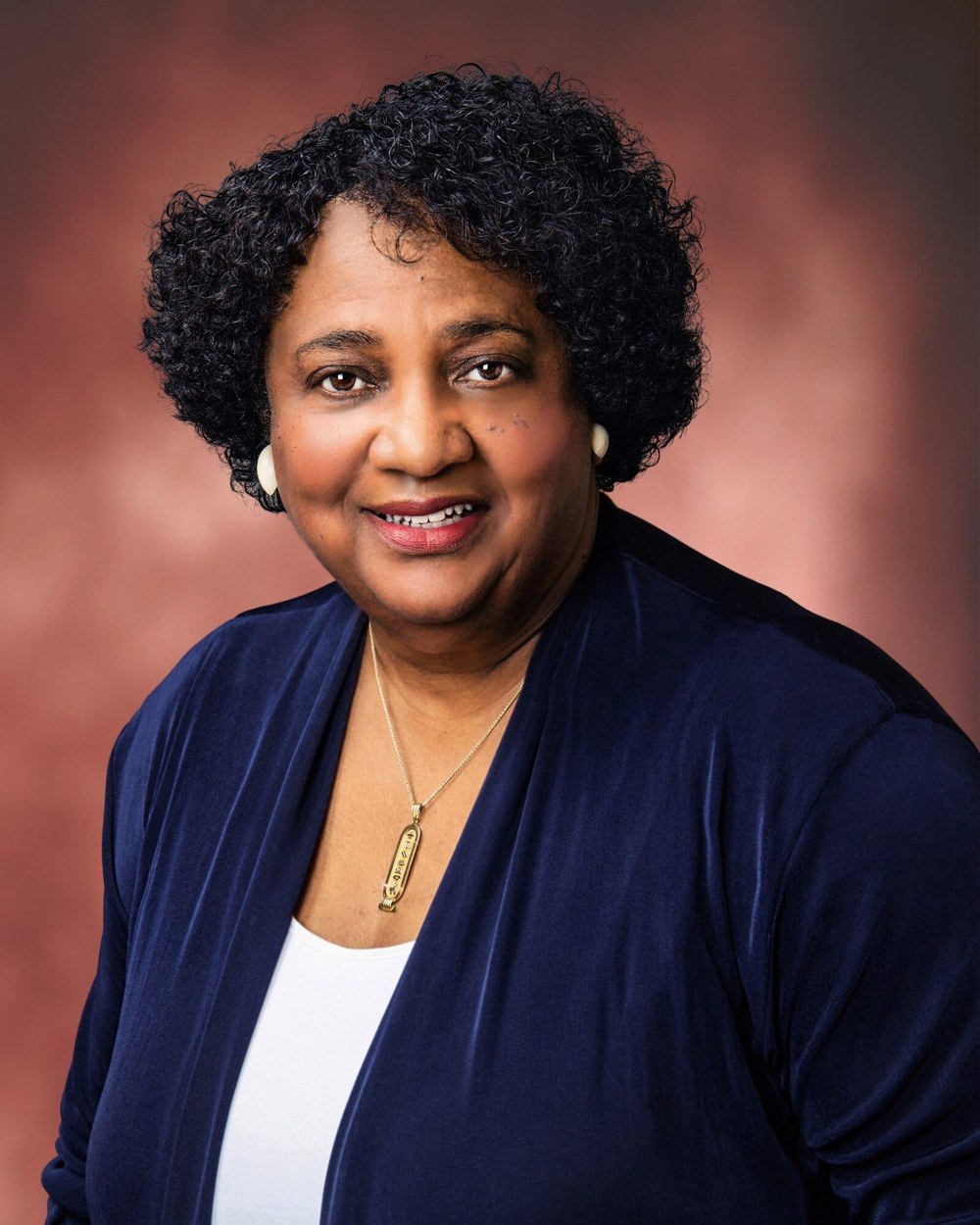
California Secretary of State Shirley Weber, a named defendant. Photo: California Secretary of State's office, via Wikimedia Commons, public domain.
What California says, and what is still unproven
Gov. Gavin Newsom called the suit "a sad, desperate attempt by Trump to use his politicized Justice Department to try to suppress California voters," per Axios. Weber has said California already requires citizenship to register and removes ineligible registrants.
Here is the part readers should hold onto. DHS Secretary Markwayne Mullin himself described the review as a "preliminary analysis" that is still ongoing, and the government's own word is "likely" noncitizens. Nobody has shown a court that 20,000 specific people are ineligible. A name match against immigration files is not proof, and the complaint says that, to the government's knowledge, California has not submitted its rolls to SAVE, so this list was built separately.
Axios also notes that earlier federal noncitizen lists turned out to be inaccurate in Nevada, Pennsylvania and New Jersey, and that federal law restricts systematic voter-roll maintenance within 90 days of a federal election. Expect California to argue both points.
Why it matters three weeks out
This is the second hit in a week on the same theme. A federal judge ruled on October 9 that DOJ had unlawfully sought state voter rolls to check against federal databases, so the administration is now pursuing California through its own agencies' data instead of the state's files.
Voters in the nation's largest state already have ballots in hand. If the court acts, it will do so fast, because Election Day is November 3. If it does not, the government will have put a number, 20,000, on the record that the state now has to answer. California says the system works. The first test of that claim will be whether Los Angeles County opens the list.
Want gear that says where you stand? Browse the PatriotAddict collection.