The Bureau of Labor Statistics will release October's Consumer Price Index on Tuesday, Nov. 10, without a 12-month inflation rate, and some headlines are calling that a cancellation. The cause is narrower: BLS collected no prices in October 2025 during the shutdown, so the comparison month does not exist.
What is actually missing from the report?
BLS says on its shutdown impact page that it did not collect CPI data from October 1 through November 12, 2025. A year-over-year number needs last October's index as the base. There isn't one.
Per StockTitan's preview, BLS states it will not publish 12-month changes for October 2026 where October 2025 data are not available. That covers overall CPI, core CPI, food, energy and rent. Investing.com adds that a BLS spokesman, Cody Parkinson, said the agency could not collect the data after the fact, and that the year-over-year change in real earnings will also be unavailable. I could not open BLS's own wording of the October notice, so those two points are as reported.
Official record
BLS, "2025 federal government shutdown impact on the CPI." The October 2026 release itself is scheduled for 8:30 a.m. Eastern on November 10.
"BLS did not collect CPI data from October 1, 2025, through November 12, 2025." — Bureau of Labor Statistics
Read the page on bls.gov.
Is the government hiding the number?
No. The monthly change for overall and core prices still prints, and StockTitan reports yearly changes will still appear for gasoline, new vehicles and used cars, since BLS has October 2025 prices for those. The last official yearly rate is September's: 3.7% overall and 2.6% core, with energy up 20.4% and gasoline up 34.2% over the year.
That September release also says gasoline rose 9.1% on a seasonally adjusted basis in the month, accounting for over half of the monthly all-items increase. Gas is the story behind the 3.7%, and nothing about this gap changes that.
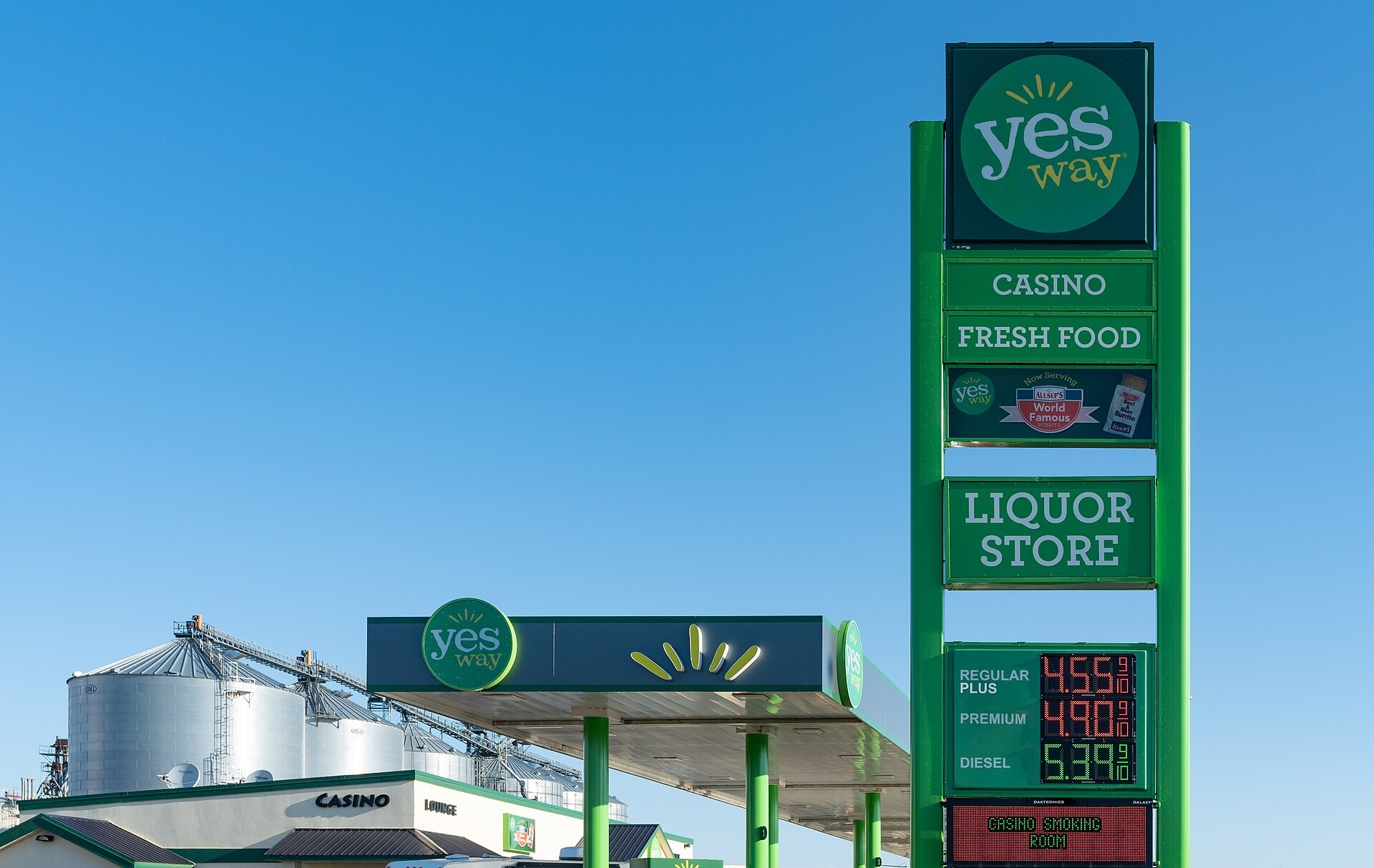
A gas station price board in Fort Pierre, South Dakota. The photo is undated and its prices are not a current reading. Photo via Wikimedia Commons (CC BY 2.0).
What are forecasters filling in?
Unofficial yearly estimates all land near 4%, and none of them is a BLS number. InvestingLive reports FactSet medians imply about 4% overall and 2.8% core. Kiplinger relays a BMO estimate of about 3.9% and 2.7%, and the Cleveland Fed's nowcast is 3.74% by a different stand-in method. Each method makes its own assumption about the missing month, which is why they differ.
Monthly forecasts are tamer. Consensus is roughly 0.3% for overall prices and 0.2% for core, after September's 0.6% and 0.3%, with cheaper October gasoline doing most of the cooling.
One wrinkle runs the other way. Kiplinger quotes UBS saying shutdown-related distortions in rent data should bias 12-month changes higher from October through March. BLS itself says on its shutdown page that the missing October 2025 data also affected its April 2026 rent and owners' equivalent rent indexes.
Why does it matter for your paycheck and the Fed?
It matters because the clean wages-versus-prices comparison goes dark for a month. Average hourly earnings were up 3.1% over the year in the latest jobs report, per StockTitan, against a September inflation rate of 3.7%. Without an official October yearly rate, nobody can print the real-earnings change from BLS's own tables, and the argument moves to estimates.
The Fed raised its target range to 3.75%-4% on September 16 and held on October 28. Kiplinger lists Wells Fargo, Barclays and BMO as expecting another hike at the December 9 meeting. With no official annual rate to anchor on, the monthly core number is likely to carry the market reaction.
What the record settles
It settles that the missing figure is a data gap with a documented cause, not a decision to withhold. It does not settle what the true yearly rate is, because BLS cannot compute one for October. Tuesday's monthly numbers, and gasoline's yearly change, are the official readings that exist.
Header photo: the Frances Perkins Building, headquarters of the U.S. Department of Labor, the Bureau of Labor Statistics' parent agency, in Washington, D.C. U.S. Department of Labor photo via Wikimedia Commons (CC BY 2.0).