

President Trump signed an executive order Friday telling every company with a federal contract to alert the White House before answering a request from Congress about its government work. The order lands weeks before Democrats take over both chambers, and its enforcement section is blunt: contractors who don't comply can lose their contracts or be barred from future ones.
What does Executive Order 14438 actually require?
The order, titled "Protecting the Executive's Privileges and Enhancing Efficiencies in Federal Contracting," was posted to WhiteHouse.gov on Nov. 20. It has three working parts. Contractors must notify the White House and their contracting agency of "any pending or future congressional request" about their work or communications with the executive branch. They must follow any White House or agency instructions to withhold material the government decides is covered by executive privilege. And the same rules flow down to subcontractors.
Agencies have to tell every contractor about the new obligations "promptly," and the Office of Management and Budget is directed to write compliance guidance. The teeth are in Section 4. If a contractor or subcontractor doesn't comply, agencies "shall consider" contract termination or cancellation, plus suspension or debarment.
Official record
Executive Order 14438, "Protecting the Executive's Privileges and Enhancing Efficiencies in Federal Contracting," signed Nov. 20, 2026. Full text on WhiteHouse.gov. It had not yet appeared in the Federal Register as of Saturday morning.
"Despite these bedrock protections, certain congressional leaders have threatened to intrude on these Executive prerogatives by seeking confidential executive branch information from agencies and harassing private companies that contract with the Federal Government." Executive Order 14438, Sec. 1
Why now?
Look at the calendar. Democrats "won control of both chambers of Congress in this month's midterm elections," Reuters reported, and they take the gavels in January. Their leaders have been open about where they plan to dig. Back in July, Sen. Richard Blumenthal said Democrats would use subpoena power to examine "corporate dealings with the Trump administration," according to Bloomberg Government. In September, Rep. Jim Himes, the top Democrat on House Intelligence, wrote to the National Defense Industrial Association that contractors' donations to the White House ballroom project may be scrutinized and that he intends to see the matter "thoroughly investigated," Government Executive reported.
Then came this week. On Wednesday, Rep. Robert Garcia of California, the top Democrat on House Oversight and its likely next chairman, sent document-preservation letters to 12 people in Trump's orbit, including Vice President JD Vance, Stephen Miller, Attorney General Todd Blanche, Susie Wiles, Donald Trump Jr., Eric Trump and Jared Kushner, CBS News reported. Garcia called it "just the beginning."
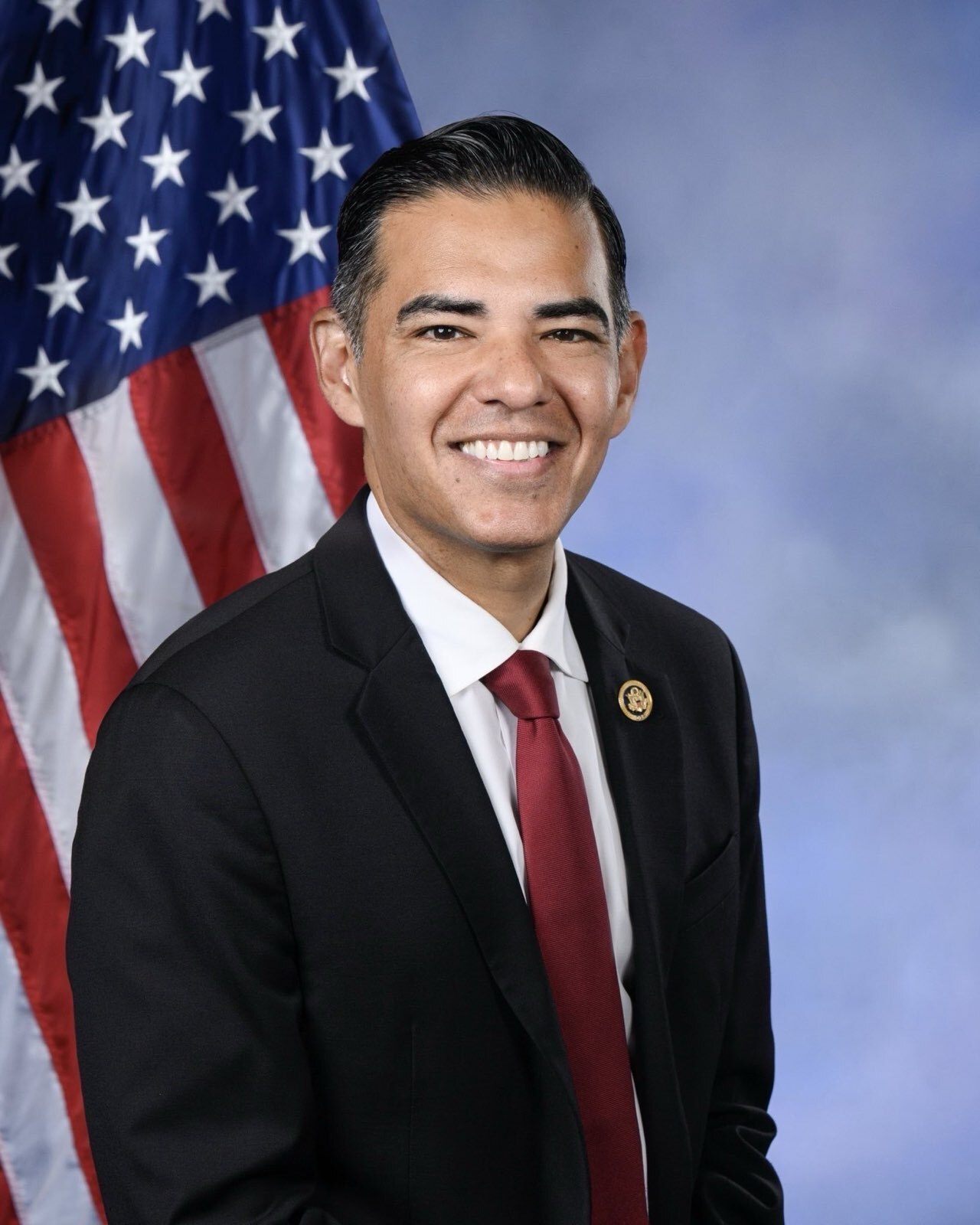
Rep. Robert Garcia (D-Calif.), ranking member of the House Oversight Committee, who sent preservation letters to 12 Trump allies and family members on Nov. 18. Official House portrait via Wikimedia Commons (public domain).
Is this part of a bigger White House strategy?
Yes, and the pieces arrived in sequence. On Nov. 16, White House Counsel Will Scharf sent a one-page memo to agency general counsels requiring approval from his office and the Office of Legislative Affairs before any federal employee agrees to testify to a congressional committee, the Washington Examiner reported. Scharf called it the "established White House consultation process."
On Nov. 18, Scharf answered the Democrats' letters directly. "Your demands do not reflect a request of the House, Senate, or a committee," he wrote, according to Newsweek, adding that the letters "drip with an animus or pettiness." He leaned on a May 2017 Justice Department opinion holding that individual members, "including ranking minority members, do not have the authority to conduct oversight" without a delegation from a full chamber or committee. That Office of Legal Counsel opinion is real, and a White House official told Newsweek the Biden administration used the same policy in 2022.
Friday's order closes the third door. Agencies and employees were already covered. Contractors, who hold the emails, invoices and project files Democrats would want, were not.
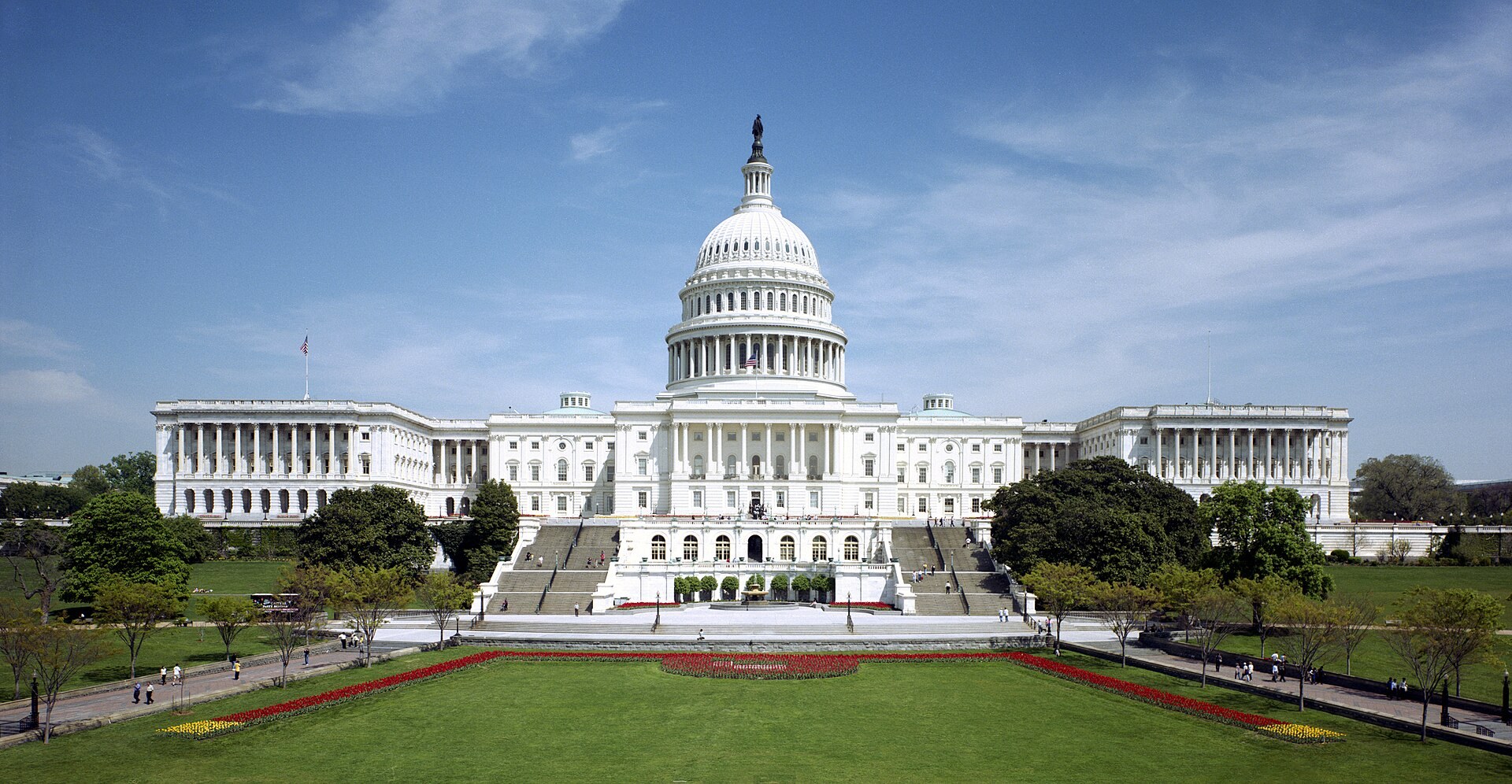
The west front of the U.S. Capitol. Democrats take control of both chambers when the 120th Congress convenes in January. Photo via Wikimedia Commons (public domain).
Does the order stop a congressional subpoena?
Not by its own terms, and that is the part to watch. The order says Congress cannot seek executive branch information "without a valid legislative purpose," language that echoes the Supreme Court's 2020 decision in Trump v. Mazars, which set limits on House subpoenas for the President's own records held by third parties. But the 2017 OLC opinion Scharf cited also says the rules change once a committee acts: its limits apply to individual members working "in the absence of a specific delegation." After January, Democratic chairmen will hold that delegation.
Reuters noted the restrictions "could face legal challenges, particularly if contractors are told" to withhold material sought by subpoena. The order itself concedes it "is not intended to, and does not, create any right or benefit" enforceable in court. What it does create is leverage. A company weighing a Democratic subpoena against a contract it depends on now knows the White House expects a phone call first.
What happens next?
OMB has to issue the compliance guidance, and agencies have to notify their contractors. The order tells contractors to comply "immediately," so any contractor already holding a letter from a Democratic ranking member is on the clock now.
The administration's pitch is efficiency and national security: one coordinated response instead of a contractor and the government fighting the same request in separate lawsuits. Democrats will call it stonewalling. The real test comes in January, when the first committee subpoena lands on a contractor's desk and a court has to decide whose instructions it follows.
Top photo: President Donald Trump holds up a signed executive order in the Oval Office, Feb. 10, 2025. Official White House photo by Abe McNatt via Wikimedia Commons (public domain).















