Since October 9, ATF has said it will no longer require federal approval to make or transfer suppressors, short-barreled rifles and short-barreled shotguns. Plenty of headlines have treated that as the end of NFA registration for good. ATF's own FAQ says otherwise, and it lists the specific ways enforcement could come back.
What ATF actually announced on October 9
The agency's press release and open letter, signed by Director Robert Cekada, say that effective October 9, 2026, ATF "will no longer require individuals to seek ATF approval under the NFA" for those items. The letter says the Department "has determined to exercise its enforcement discretion" to apply that policy to everyone.
Read the word choice. This is enforcement discretion. It is not a repeal, and it is not a new rule.
Official record
ATF Open Letter on NFA transfers, dated October 9, 2026, and the companion "Update to NFA Transfer Guidance" FAQ (last updated October 16, 2026).
"The injunction applies only to the plaintiffs" — ATF Open Letter, describing the August ruling in Silencer Shop Foundation v. ATF
Where the policy came from
On August 5, U.S. District Judge James Wesley Hendrix of the Northern District of Texas ruled in Silencer Shop Foundation v. ATF (No. 6:25-cv-056). Congress zeroed out the $200 making and transfer tax on these items in the One Big Beautiful Bill. Hendrix reasoned that this "eliminated the constitutional basis for the NFA's regulation of those firearms," according to CBS News. The injunction covered only the parties, which included Silencer Shop Foundation and Gun Owners of America, as NPR reported.
The Justice Department then declined to appeal. Solicitor General D. John Sauer's letter is dated September 24 and was filed October 1, per Outdoor Life. ATF issued its guidance four days after the October 5 appeal deadline passed.
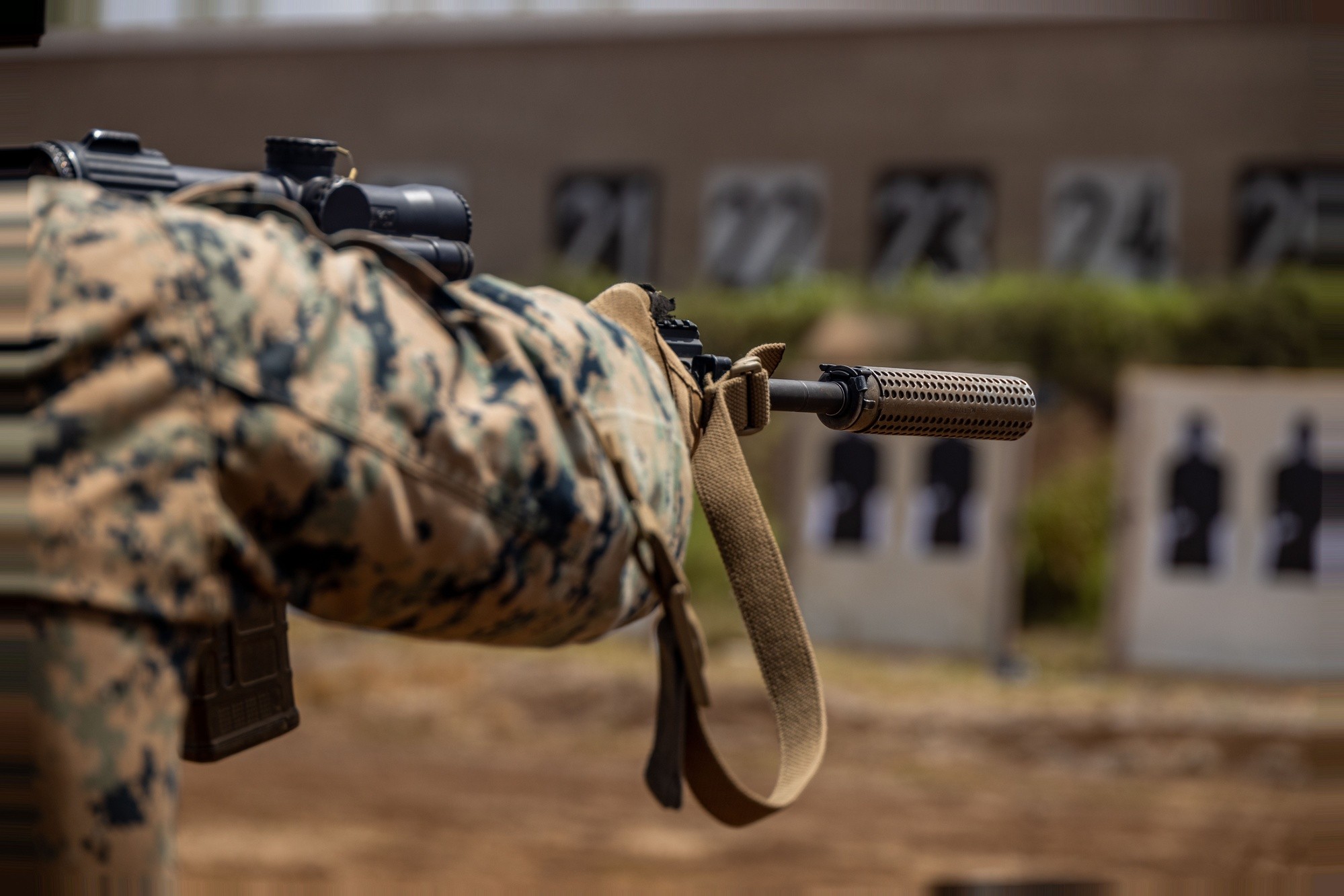
A Marine fires a suppressed M27 Infantry Automatic Rifle during a range acoustic test at Marine Corps Base Hawaii, Sept. 19, 2023. Photo by Lance Cpl. Hunter J. Jones, U.S. Marine Corps via DVIDS (public domain).
What ATF's FAQ says could bring enforcement back
The FAQ is blunt. Enforcement could resume if Congress imposes a new tax, if the injunction is dissolved or overturned, or if ATF rescinds the guidance. It also says federal law generally does not grandfather unregistered NFA items, and that any amnesty is up to the Attorney General.
That matters to a buyer who picks up a suppressor today. The protection rests on a district court order that binds only the plaintiffs and on a policy any future administration could withdraw. Brandon Maddox of Silencer Central told Outdoor Life that the Hearing Protection Act would be the better fix for exactly that reason.
What still applies
The guidance is narrower than some of the celebration suggests. Machine guns and destructive devices keep the $200 tax and the full NFA. Dealers still run Form 4473 and NICS checks, keep records and follow Gun Control Act rules. Moving a short-barreled rifle or shotgun across state lines still needs ATF approval on a Form 20. And the guidance does not override state or local law, so a suppressor that is legal federally can still be banned where you live.
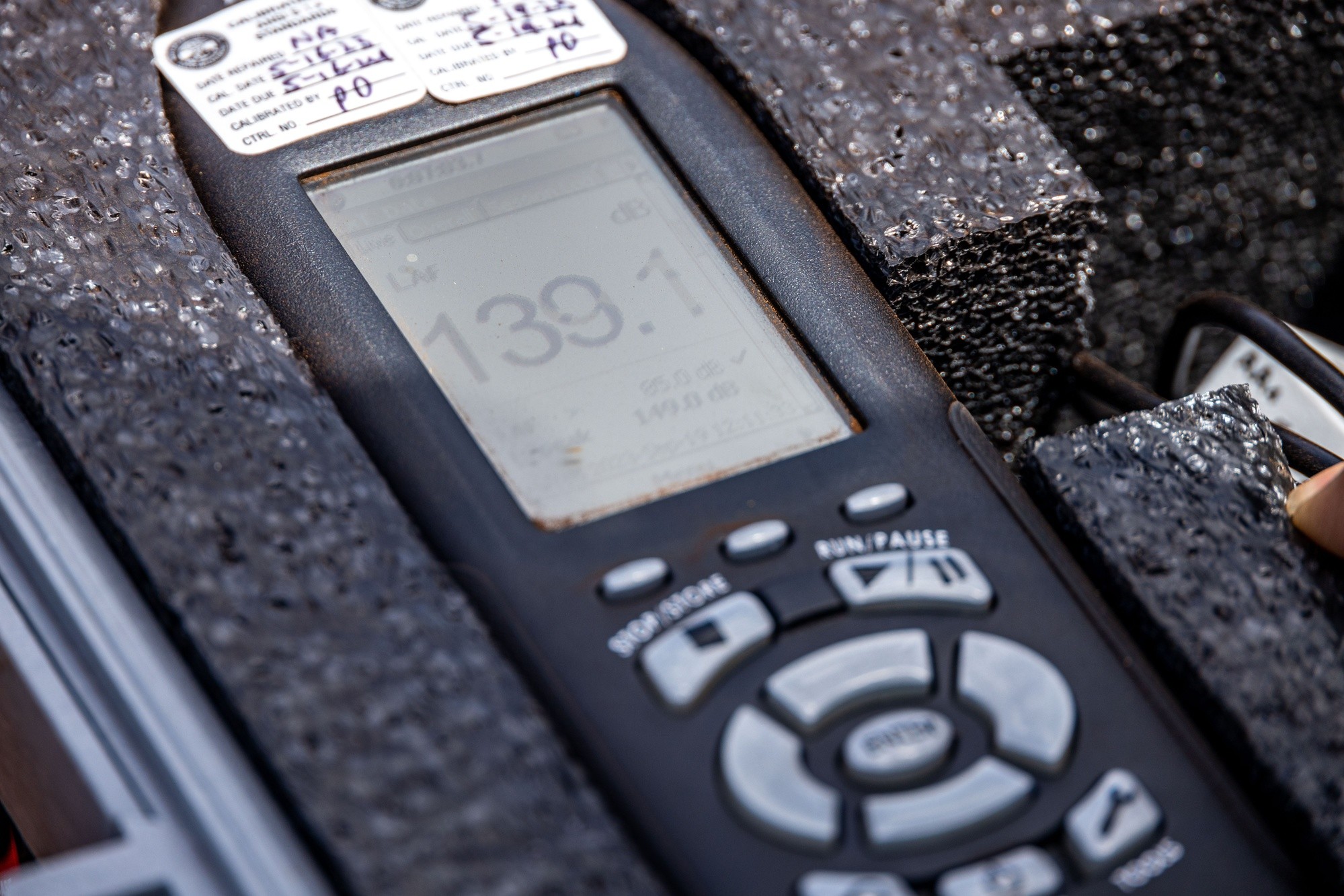
A sound meter records decibel levels from an unsuppressed rifle during a range acoustic test at Marine Corps Base Hawaii, September 2023. Photo by Lance Cpl. Hunter Jones, U.S. Marine Corps via DVIDS (public domain).
ATF also says it will keep processing NFA applications that people submit, since many state laws require registration.
The tension nobody should skip
While ATF relaxes enforcement for everyone, DOJ is arguing against court-ordered nationwide relief. In Brown v. ATF in the Eastern District of Missouri, before Chief Judge Stephen Clark, DOJ told the court that a request for an injunction "throughout Plaintiff States and the United States" is "foreclosed by" Trump v. CASA, according to Bearing Arms. I could not pull the filing itself, so treat that wording as reported, not verified.
The practical effect is that gun owners get relief as a favor of the executive branch, not as a judgment of a court. Attorney General Todd Blanche told senators before his confirmation, in written answers quoted by CBS, "I defer to the measured judgment of Congress on whether the NFA should be repealed or weakened." Congress has not done that yet.
What to do with this
Take the win, and read the fine print before you act on it. Check your state law first. Keep your paperwork. Voluntary Form 1 filings are still accepted, and for some buyers that record may be worth having. A statute, a final court judgment covering everyone, or a rule would be durable. Right now you have a policy, and policies can be rescinded.
This is general information, not legal advice. Talk to a firearms attorney in your state before a purchase.